Book Appointment Now


EVLINK · HIGH VOLTAGE COOLANT HEATER · ALL MODELS
High Voltage Coolant Heaters
Find the configuration that fits your vehicle—not just your power target. Compare mounting, coolant connections and electrical interfaces across 22 EVLINK PTC coolant heater configurations.
Shortlist the physical configuration first, then confirm power, voltage, coolant conditions, controls and validation scope for your project.
PORTFOLIO
8
Product series
ALL MODELS
22
Distinct configurations
COMPARE
1–3
Models to shortlist

Q Series · QA Amphenol socket configuration shown
START WITH THE CONSTRAINT
What Is Holding Back Your Heater Selection?
Move from the vehicle constraint to the most relevant configuration group.
Limited package space?
Compare the E, W and Z reference envelopes, then check connectors, hoses and service clearance.
Harness already defined?
Compare socket, connector and flying-lead arrangements without assuming interchangeability.
Difficult hose routing?
Compare B-Series S-bend and straight-pipe configurations and request the installation drawing.
AC supply or DC supply?
Keep the A7 three-pin AC configuration separate from DC heater selections.
THE COMPLETE RANGE
Explore All Coolant Heater Configurations
All 22 configurations are present as crawlable, editable page content. Use the series navigation to move through the catalogue.
A SERIES · 7 CONFIGURATIONS
A Series High Voltage Coolant Heaters
Compare mounting arrangements, connector options and the separately identified AC configuration.

A SERIES
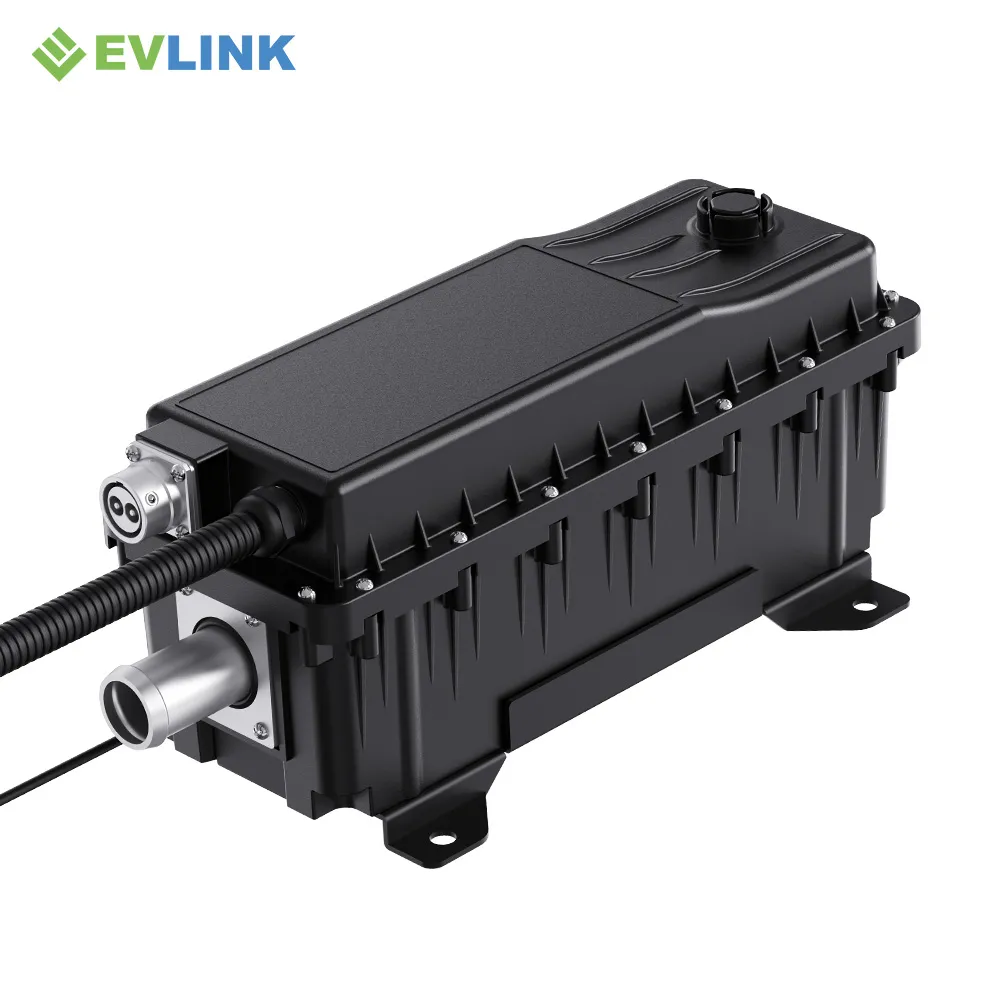
A1 · Two-pin DC
Sheet-metal mounting bracket
Compare this configuration when your project calls for a two-pin DC interface and a separate bracket.
- Interface: Two-pin DC / Amphenol
- Mounting: Sheet-metal bracket
A SERIES
A2 · AN01
AVIC connector + sheet-metal bracket
Explore an AN01 connector configuration while retaining a sheet-metal mounting arrangement.
- Interface: AVIC Optoelectronics
- Mounting: Sheet-metal bracket

A SERIES
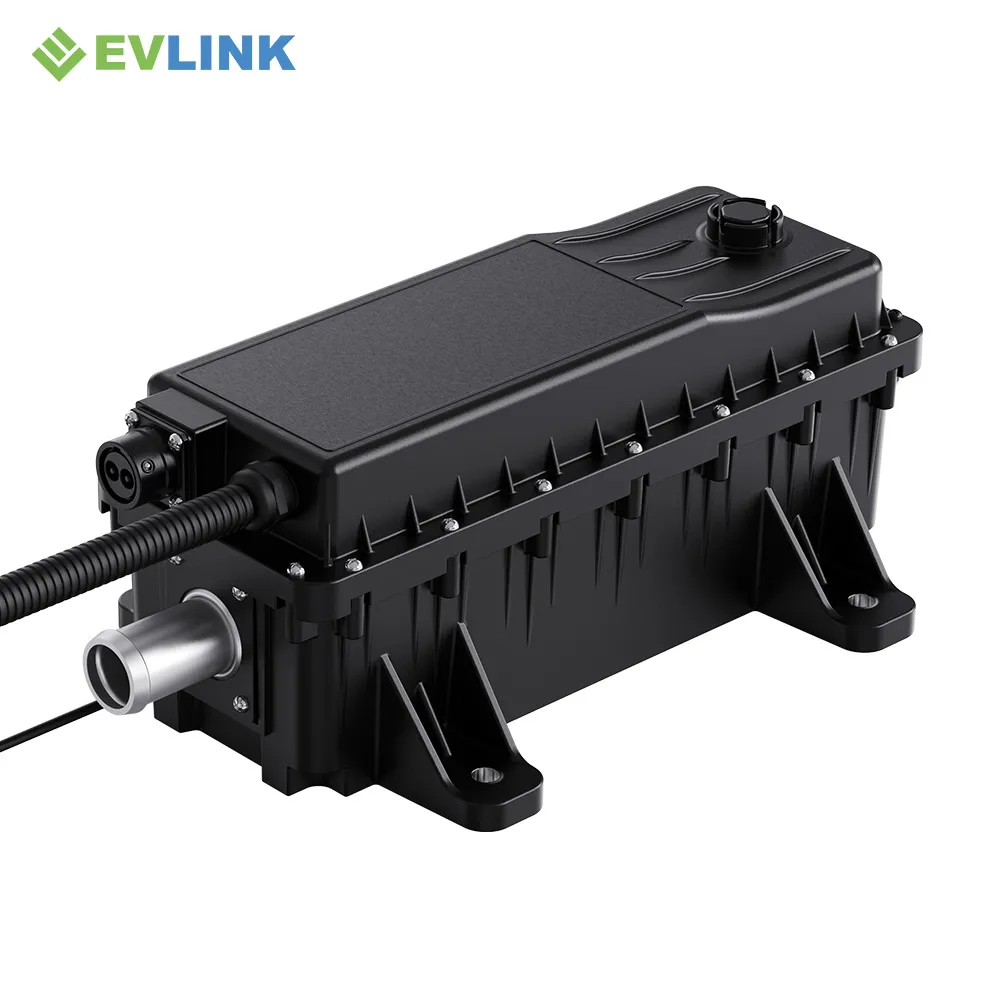
A3 · AN01
AVIC connector + integrated bracket
Compare with A2 when the mounting arrangement, rather than the connector family, is your main constraint.
- Interface: AVIC Optoelectronics
- Mounting: Integrated bracket
A SERIES
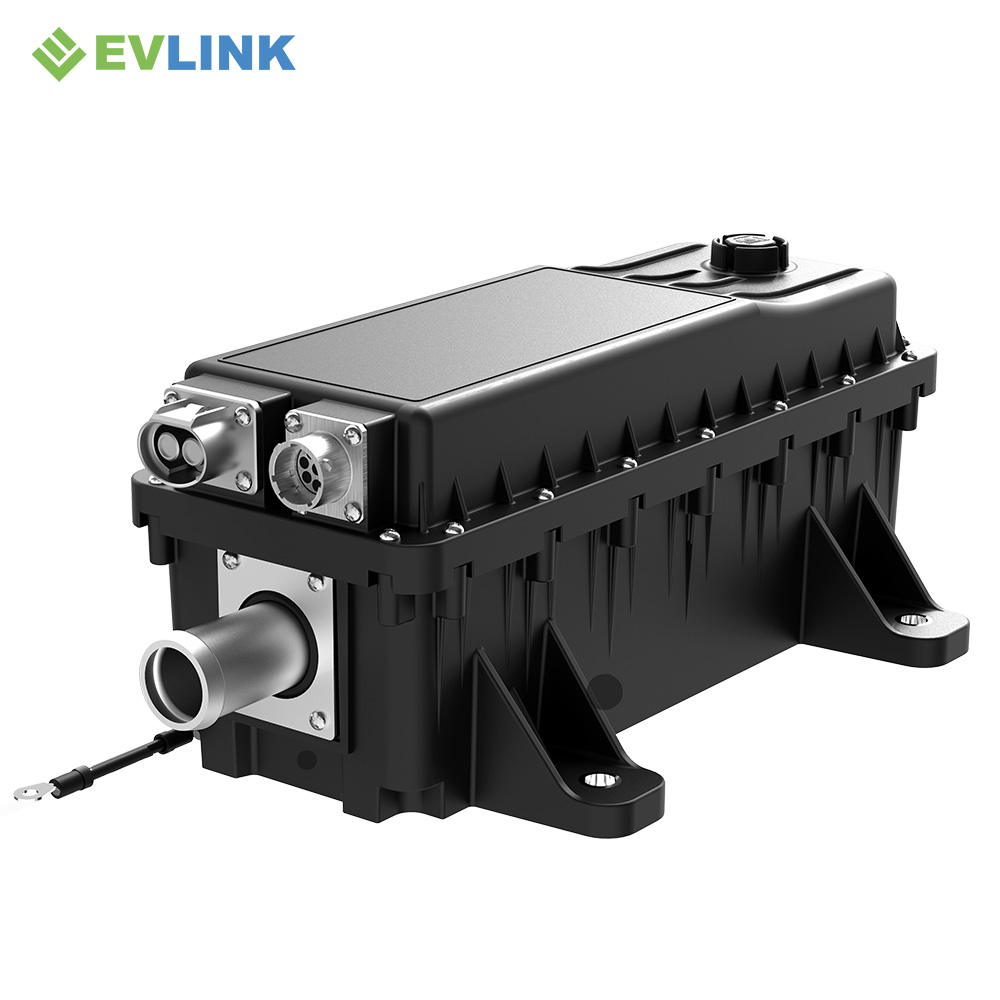
A4 · AN02
Flying-lead configuration
Evaluate lead routing and mounting clearance together for your installation.
- Interface: Flying-lead configuration
- Mounting: Integrated bracket
A SERIES
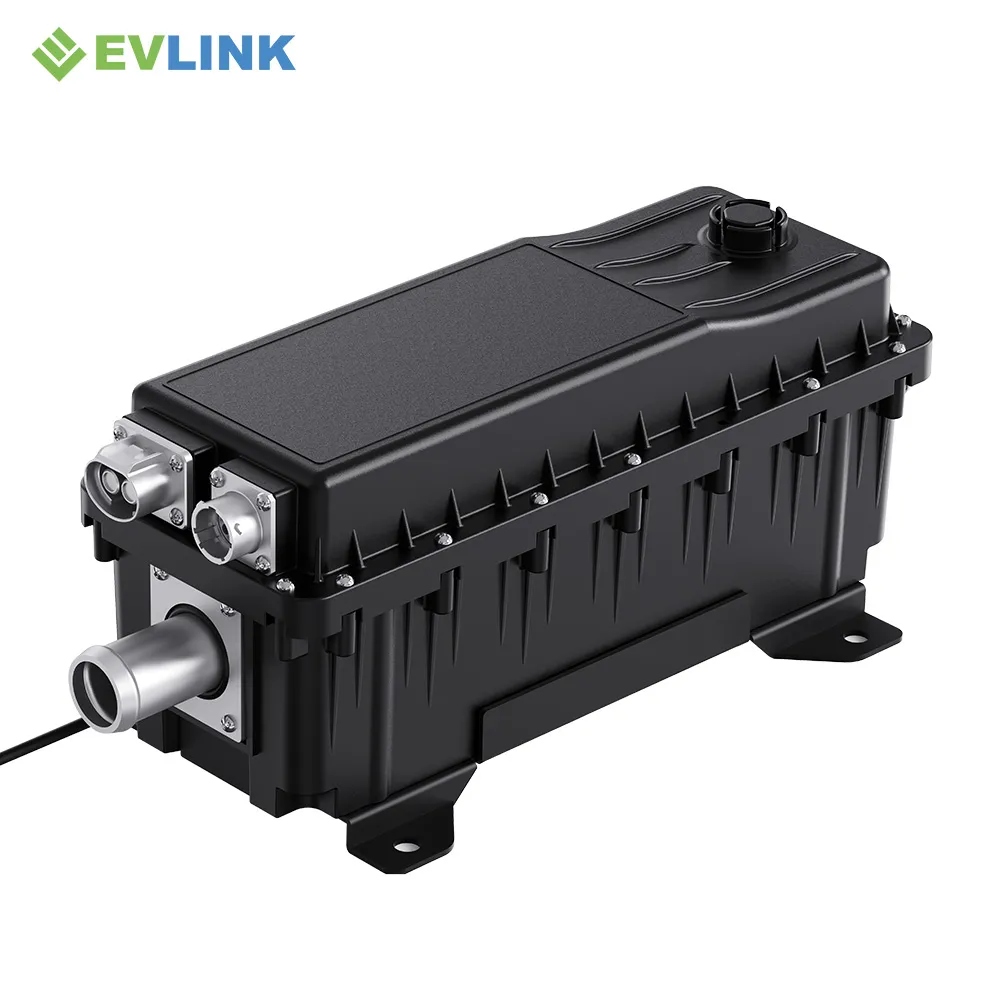
A5 · AZ
Amphenol + integrated bracket
Shortlist an integrated mounting option for an Amphenol-based interface review.
- Interface: Amphenol
- Reference dimensions: 350 × 184 × 120 mm
- Coolant ports: Ø25 mm
A SERIES
A6 · AZ
Amphenol + sheet-metal bracket
Compare with A5 if your chassis mounting arrangement favors a separate bracket.
- Interface: Amphenol
- Mounting: Sheet-metal bracket

A SERIES
A7 · Three-pin AC
AC configuration, not a DC substitute
Start with your AC supply specification; confirm the electrical configuration before selecting this variant.
- Interface: Three-pin AC / Amphenol
- Mounting: Sheet-metal bracket
B SERIES · 5 CONFIGURATIONS
B Series High Voltage Coolant Heaters
Compare pipe geometry and connector arrangements for different hose and harness layouts.
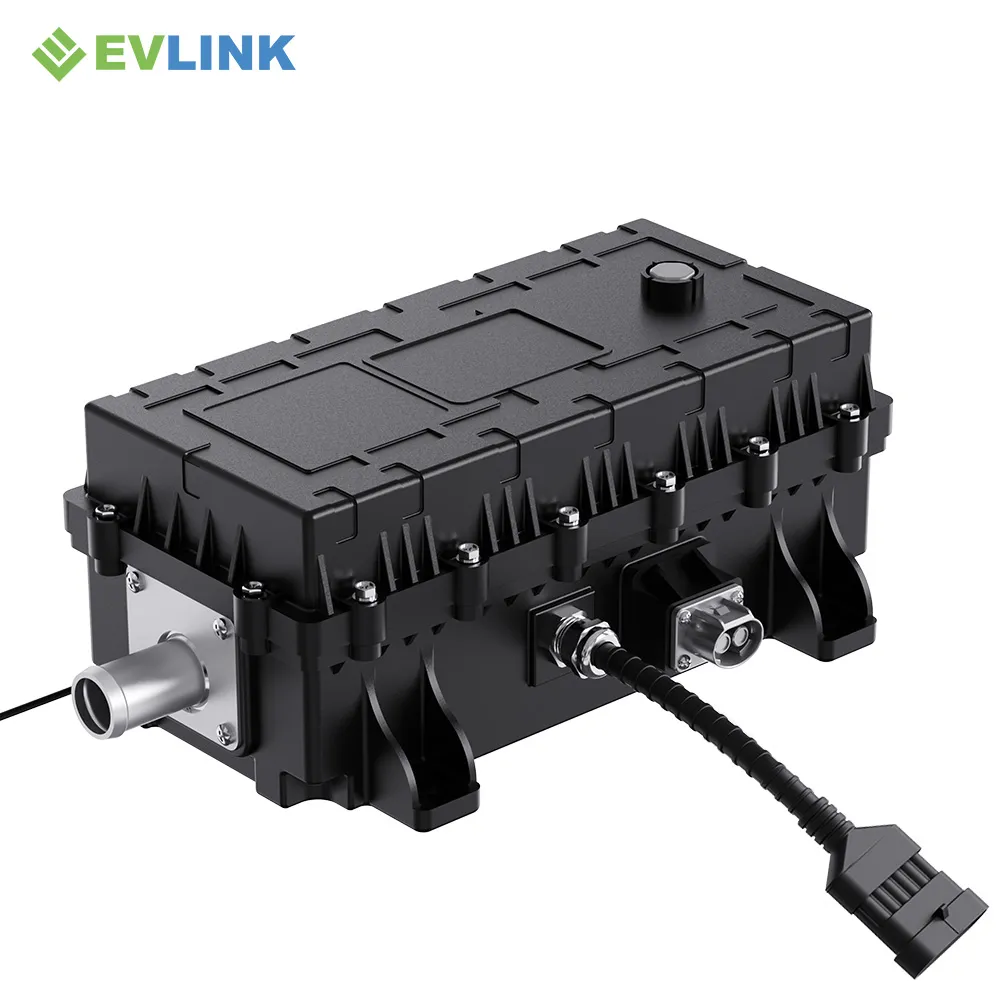
B SERIES
B1 · BA01
Six-pin low-voltage interface
Start the interface discussion with your low-voltage harness and required pinout.
- Interface: Amphenol / six-pin LV
- Mounting: Review installation drawing

B SERIES
B2 · BA
S-bend coolant pipes
Compare pipe geometry when the hose approach direction limits your layout.
- Interface: Amphenol
- Mounting: Review installation drawing

B SERIES
B3 · BA
Straight coolant pipes
Review this straight-pipe arrangement against your hose route and service access.
- Interface: Amphenol
- Reference dimensions: 370 × 192 × 128 mm
- Coolant ports: Ø25 mm

B SERIES
B4 · BG
Guoweitong socket configuration
Explore this socket option when defining your project’s mating connector requirements.
- Interface: Guoweitong socket
- Mounting: Review installation drawing

B SERIES
B5 · BN
AVIC socket configuration
Compare the AVIC interface with the other B-Series connector arrangements.
- Interface: AVIC Optoelectronics socket
- Mounting: Review installation drawing
E SERIES · 1 CONFIGURATION
E Series High Voltage Coolant Heaters
A low-profile EG configuration with a published 98 mm reference height.
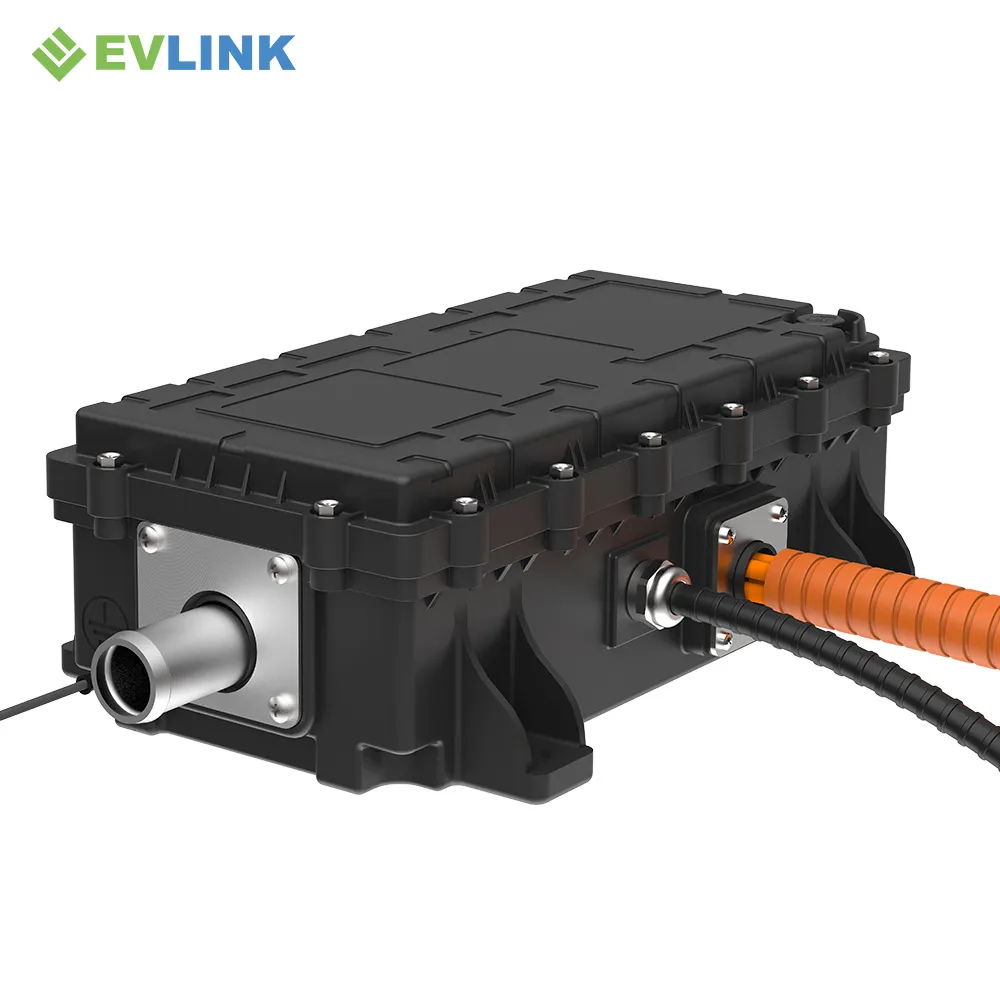
E SERIES · SINGLE CONFIGURATION
E Series · EG
98 mm reference height
Start here when vertical package space is a key constraint, then check the full service envelope.
- Interface: Guoweitong
- Mounting: Review installation drawing
- Reference dimensions: 370 × 192 × 98 mm
- Coolant ports: Ø25 mm
H SERIES · 2 CONFIGURATIONS
H Series High Voltage Coolant Heaters
Compare the high-voltage socket configuration and the low-voltage flying-lead configuration.
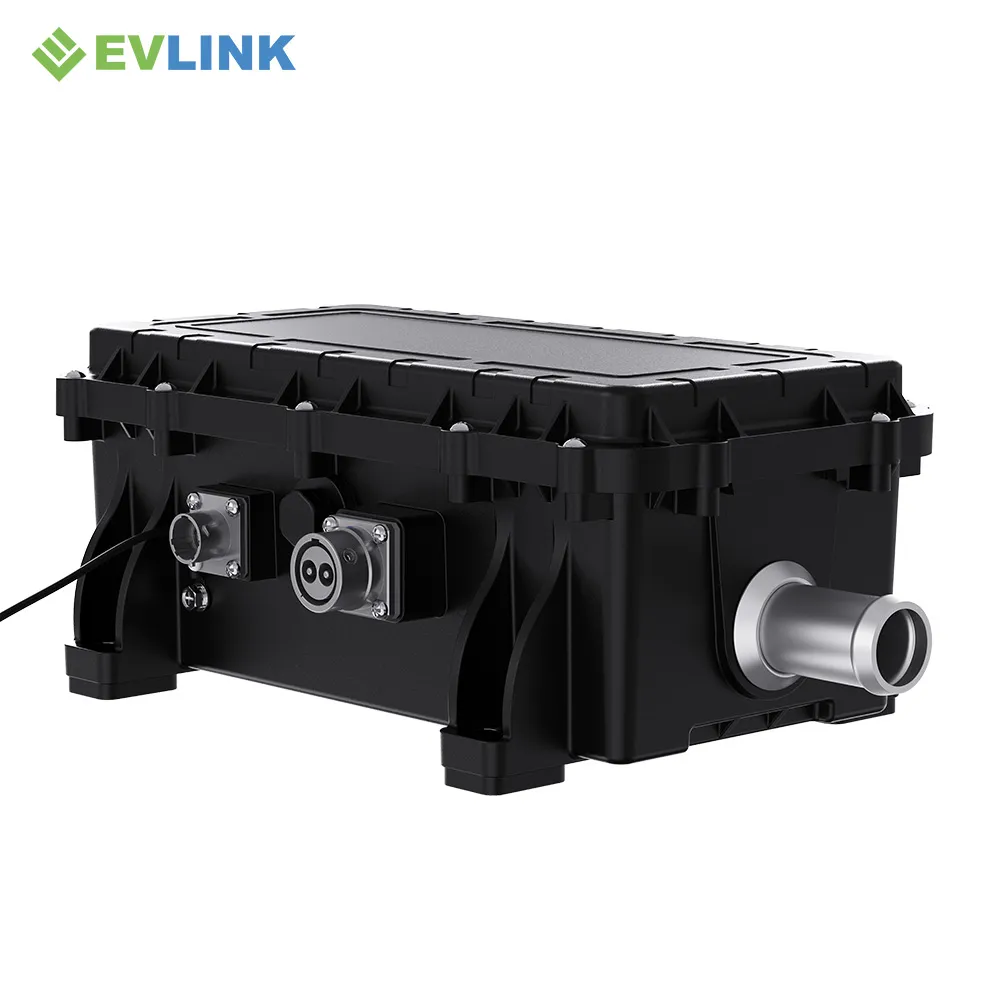
H SERIES
H Series · HV socket
Xinghua high-voltage connector
Compare the high-voltage connector arrangement against your existing harness plan.
- Interface: Xinghua HV connector
- Mounting: Review installation drawing
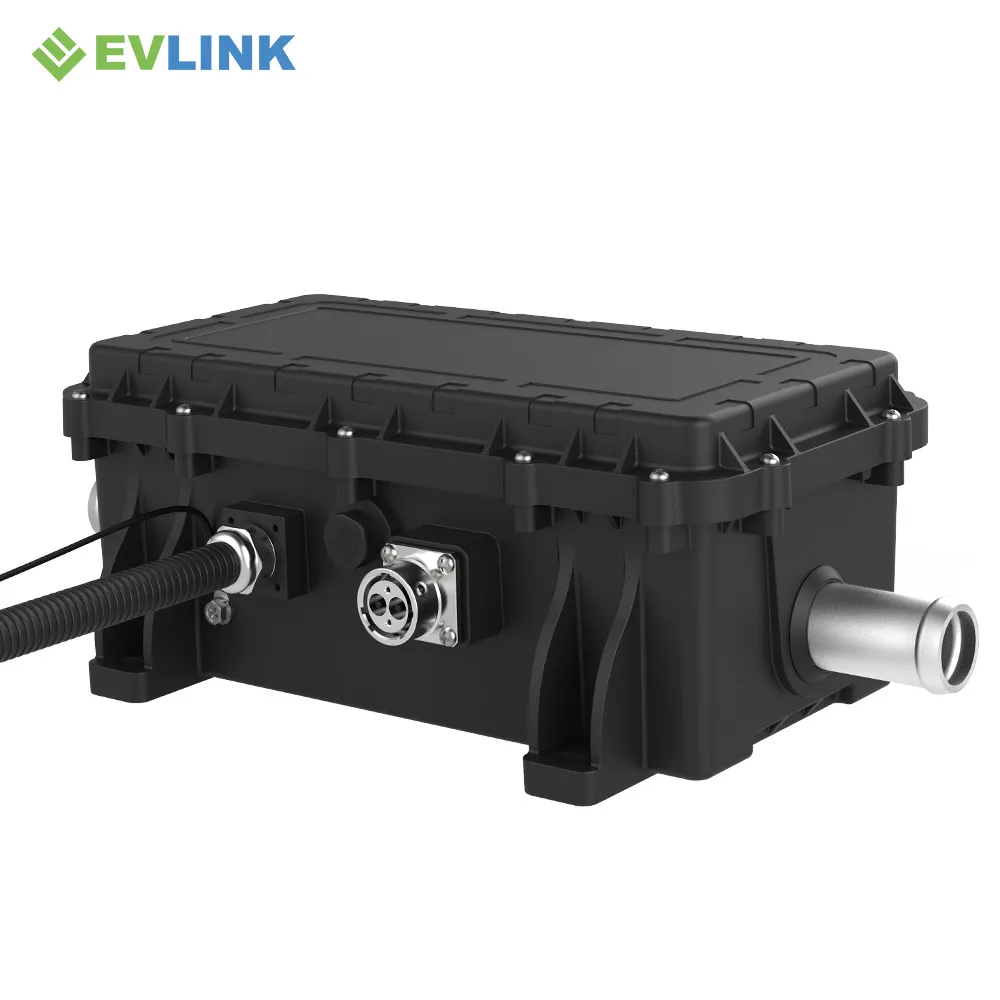
H SERIES
H Series · LV lead
Low-voltage flying lead
Explore the lead arrangement where low-voltage harness routing needs a different connection location.
- Interface: Low-voltage flying lead
- Reference dimensions: 335 × 170 × 105.5 mm
- Coolant ports: Ø25 mm
K SERIES · 1 CONFIGURATION
K Series High Voltage Coolant Heaters
A compact configuration with separate high- and low-voltage flying leads.
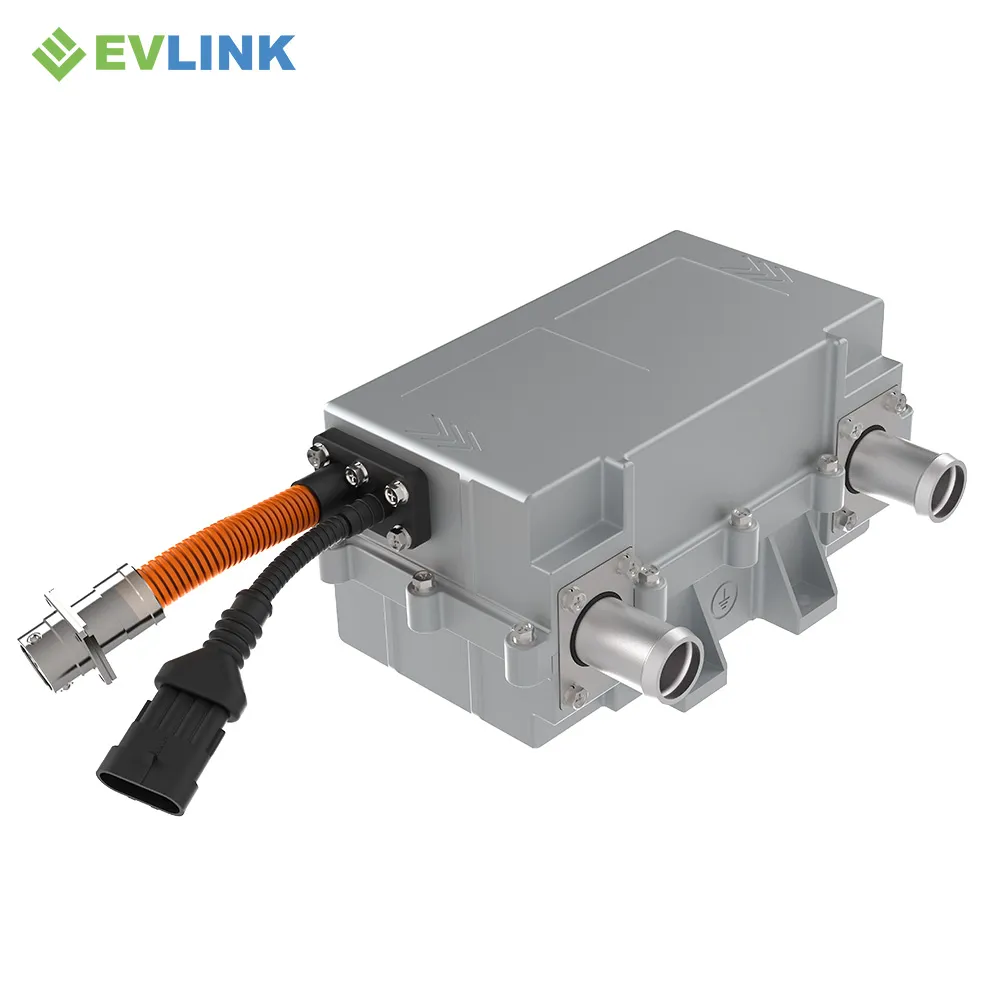
K SERIES · SINGLE CONFIGURATION
K Series · KA
High- and low-voltage flying leads
Review separate lead routes and connection locations for both electrical interfaces.
- Interface: HV + LV flying leads
- Mounting: Review installation drawing
- Reference dimensions: 225 × 170 × 105 mm
- Coolant ports: Ø25 mm
Q SERIES · 4 CONFIGURATIONS
Q Series High Voltage Coolant Heaters
Four distinct socket and flying-lead arrangements; similar labels do not establish interchangeability.
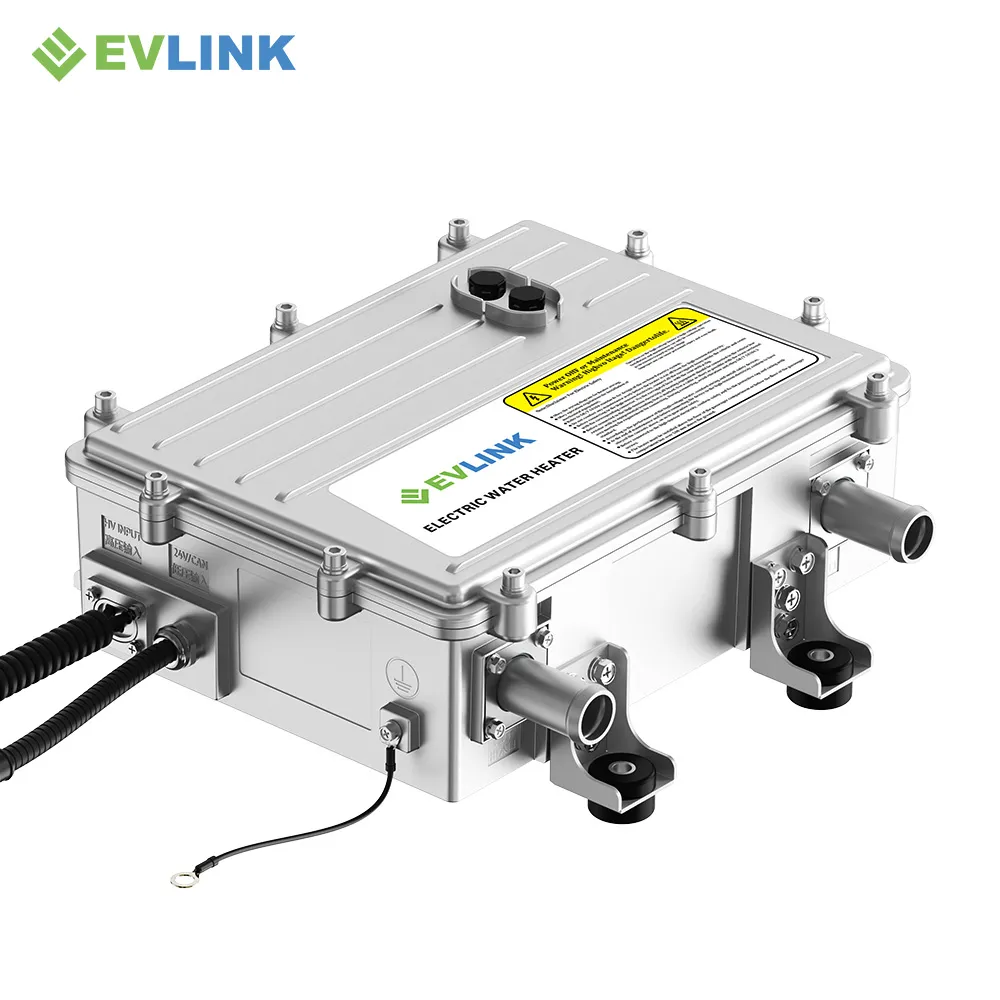
Q SERIES
Q Series · QA01
High-voltage flying-lead option
Compare a lead-based high-voltage arrangement with the Q-Series socket options.
- Interface: High-voltage flying lead
- Mounting: Review installation drawing
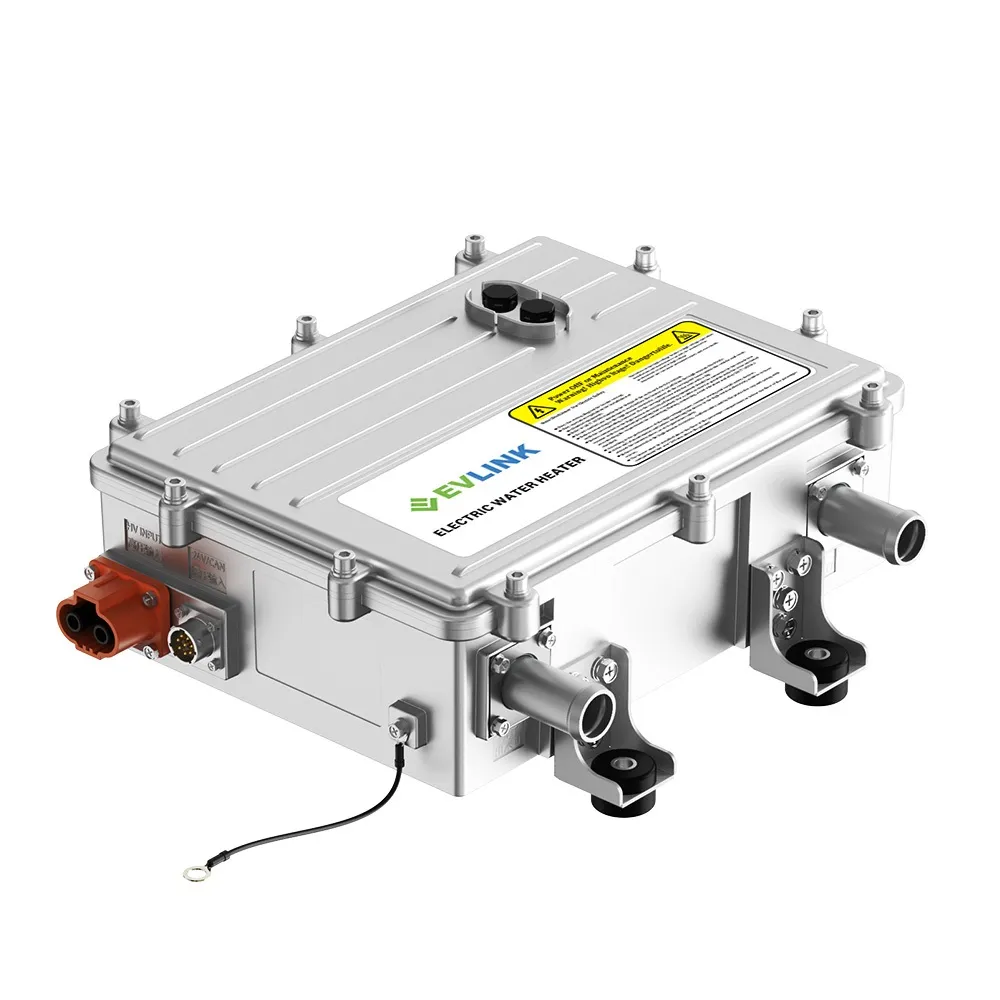
Q SERIES
Q Series · QB / AVIC
AVIC two-pin connector option
Use the interface image as a starting point for a two-pin connector and mating-part review.
- Interface: AVIC two-pin connector
- Mounting: Review installation drawing

Q SERIES
Q Series · QA
Amphenol socket option
Explore the socket arrangement alongside your electrical and coolant packaging requirements.
- Interface: Amphenol socket
- Reference dimensions: 346 × 268 × 123 mm
- Coolant ports: Ø25 mm

Q SERIES
Q Series · QB / Amphenol
Alternative connector configuration
Compare this connector arrangement separately; matching series names do not establish interchangeability.
- Interface: Amphenol connector variant
- Mounting: Review installation drawing
W SERIES · 1 CONFIGURATION
W Series High Voltage Coolant Heaters
A narrow WA configuration with a published 110 mm reference width.

W SERIES · SINGLE CONFIGURATION
W Series · WA
110 mm reference width
Start with this narrow package when lateral space is limited, then allow for hoses and connectors.
- Interface: Amphenol
- Mounting: Review installation drawing
- Reference dimensions: 312 × 110 × 139 mm
- Coolant ports: Ø25 mm
Z SERIES · 1 CONFIGURATION
Z Series High Voltage Coolant Heaters
A low-profile ZA configuration with a published 90 mm reference height and Ø20 mm ports.

Z SERIES · SINGLE CONFIGURATION
Z Series · ZA
90 mm reference height
Evaluate a low-profile package with two same-side coolant connections.
- Interface: Amphenol HV + LV
- Mounting: Review installation drawing
- Reference dimensions: 243 × 165 × 90 mm
- Coolant ports: Ø20 mm
BUILD A SHORTLIST
Compare the Differences That Affect Integration
Use the same decision fields for every shortlisted model. Request configuration-specific specifications when a field is not published.
01
Electrical interface
Connector family, socket or flying lead, mating component, keying, HVIL, pinout and cable routing.
02
Mechanical package
Reference envelope, mounting arrangement, orientation, fasteners and service clearance.
03
Coolant circuit
Port size and direction, hose engagement, bend radius, coolant, flow, pressure and pressure drop.
04
Operating conditions
Required heat duty, supply window, inlet temperature, flow, ambient and control strategy.
Published dimensions are reference values, not a complete installation envelope. Do not use a connector brand name as proof of mating compatibility.
SYSTEM REVIEW
A Heater Must Fit the Complete Thermal System
Power alone does not establish suitability.
- Nominal, minimum and maximum supply voltage; AC or DC requirement
- Required thermal duty at defined inlet temperature and coolant flow
- Coolant composition, pressure limit and allowable pressure drop
- Mounting envelope, hose routing, connectors and service access
- Control commands, feedback, faults and system responsibility
TECHNICAL RECORDS
Request Documents for the Exact Configuration
Confirm document availability, revision and applicability.
- Released product specification and 2D / 3D installation drawing
- Electrical interface and mating-component definition
- Control / CAN documentation where applicable
- Relevant electrical, environmental and validation records
- Sample inspection requirements and approved commercial terms
APPLICATION PATHWAYS
High Voltage Coolant Heater Application Scenarios
Application pages explain the vehicle duty. The model review confirms the exact configuration and evidence.
Electric Bus
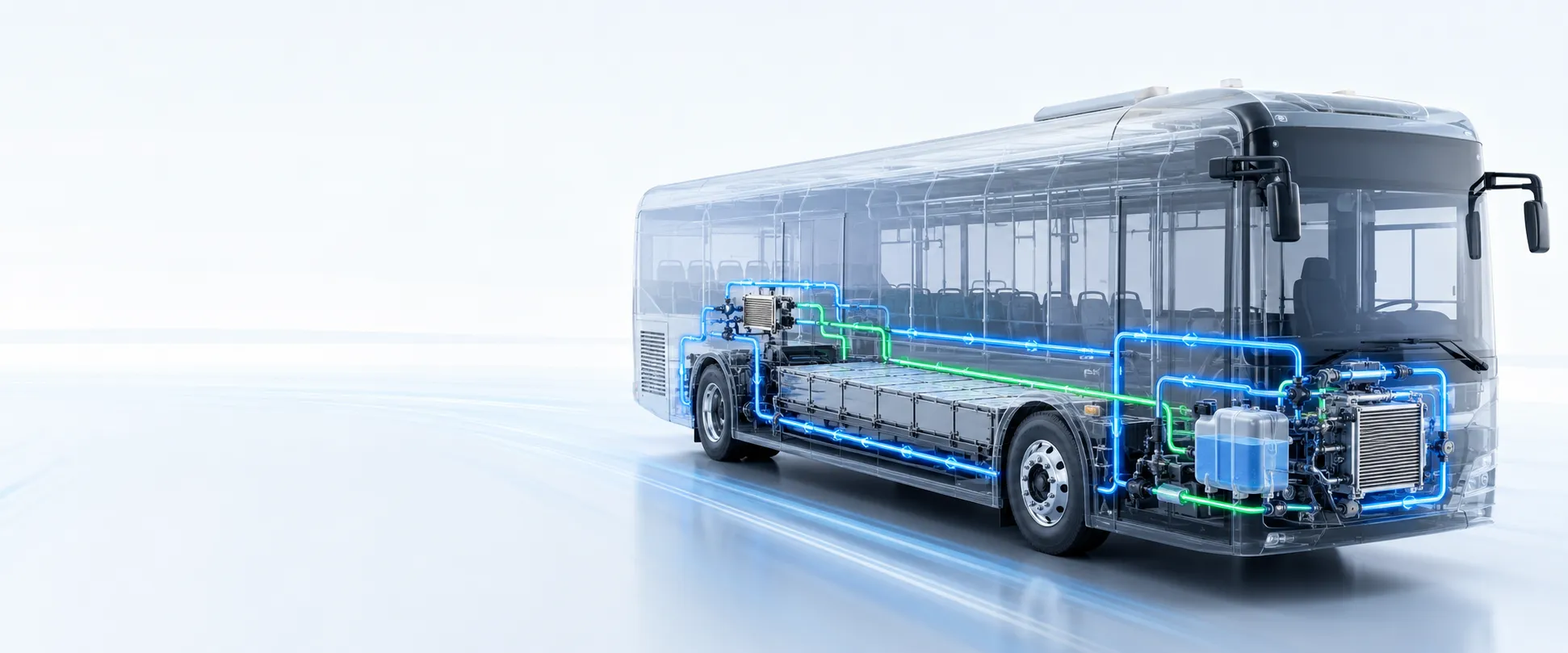
Separate battery-loop, cabin-loop and auxiliary demands before selecting the heater duty.
Electric Truck
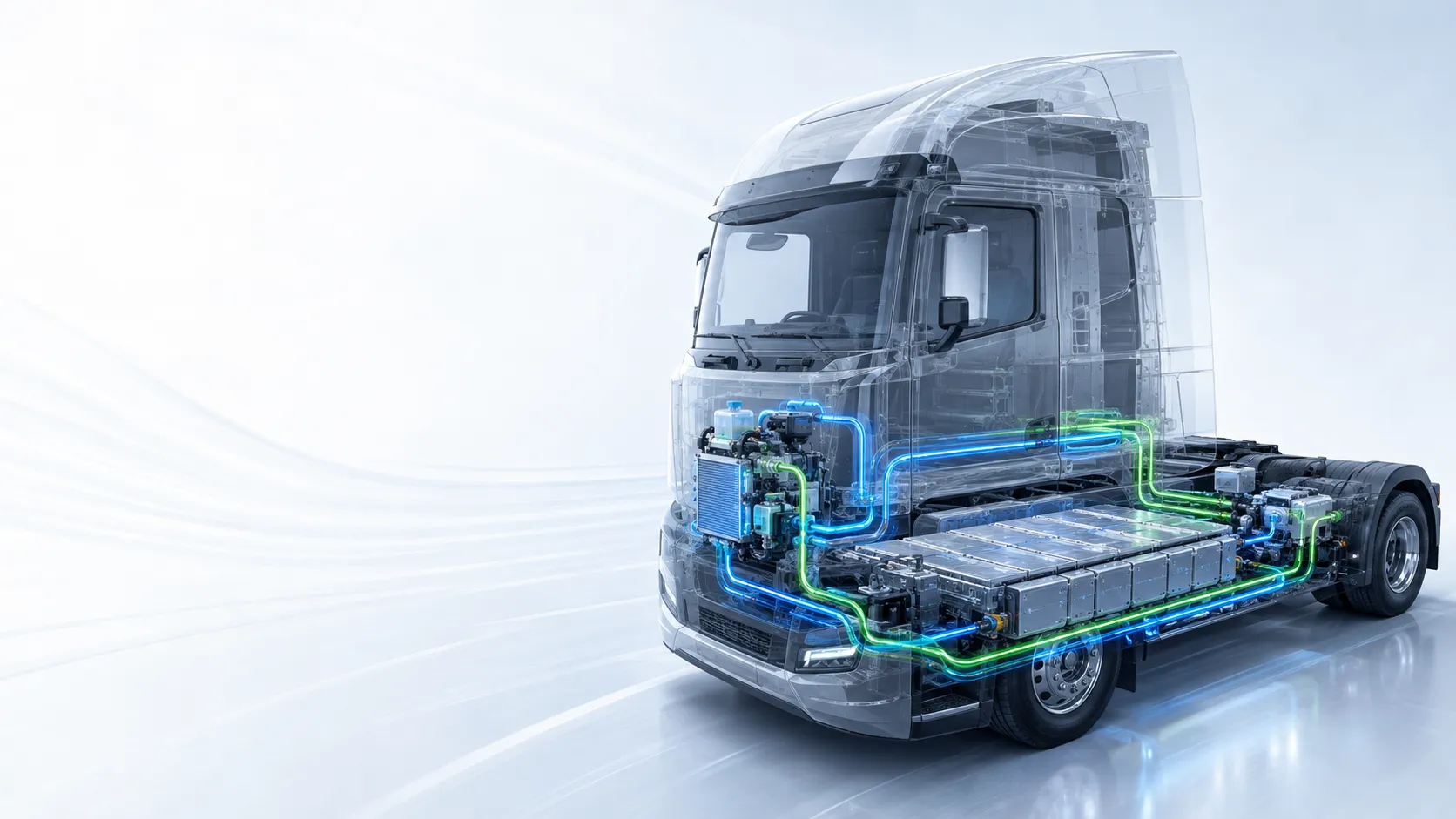
Review battery or cabin heating against vehicle supply, route duty and chassis packaging.
Electric Mining Truck
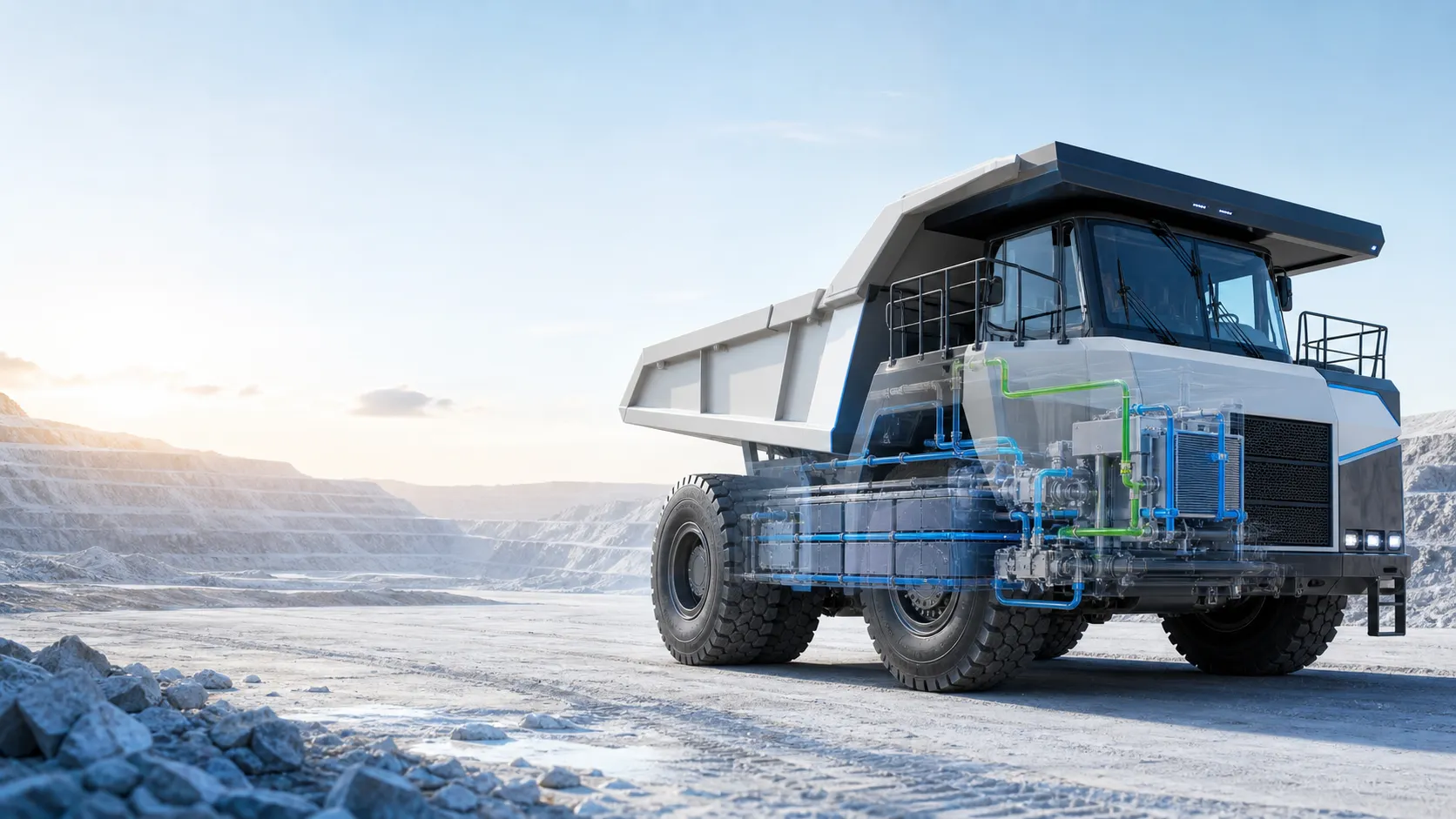
Evaluate low-temperature duty, dust, vibration, altitude and sustained haul operation.
Construction Machinery
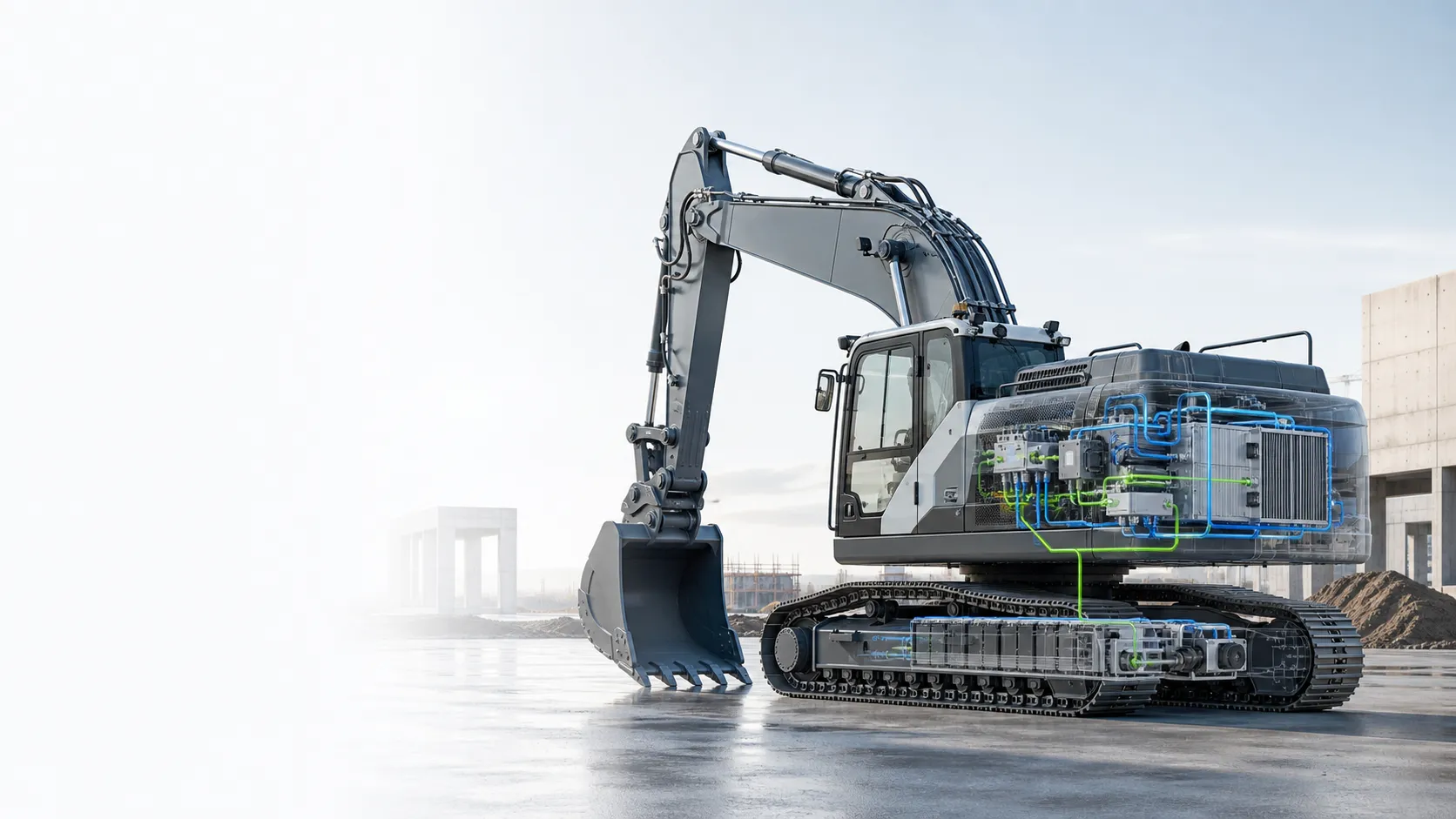
Review cold start, vibration, contamination, hose protection and restricted space.
Agricultural Machinery
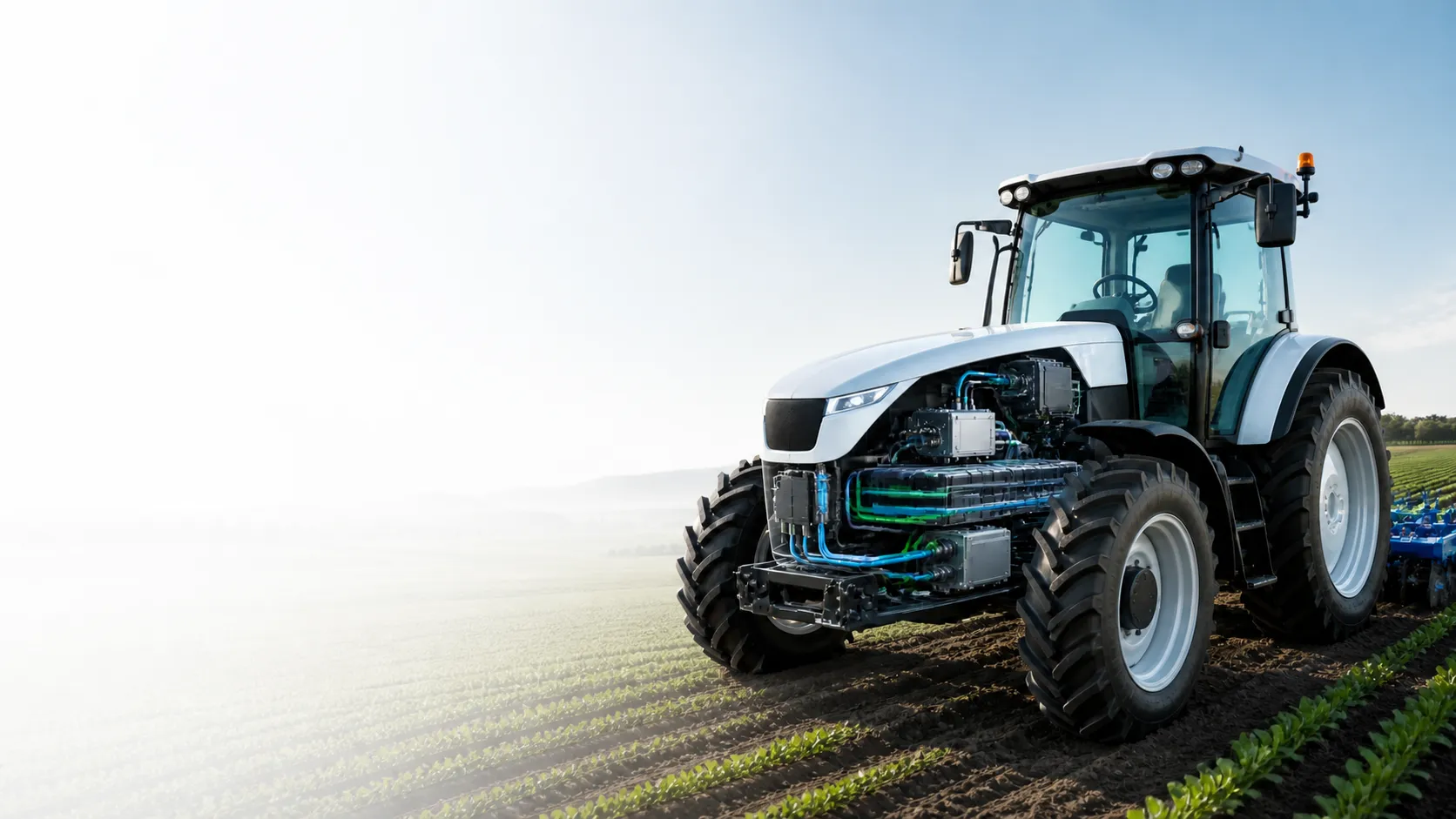
Evaluate seasonal operation, field service, packaging and mixed-duty thermal needs.
Battery & Cabin Circuits

Define the circuit purpose, architecture, pump and valve strategy before sizing.

CIRCUIT DEFINITION
Which System Are You Heating?
The same vehicle category can require very different thermal duties.
Battery preheating and temperature conditioning
Define target coolant temperature, ambient conditions, pack thermal mass, available electrical power and required warm-up time.
Cabin and auxiliary liquid-heating circuits
Define cabin demand, heat-exchanger conditions and interaction with pumps, valves and other heat sources.
Cold-start and warm-up support
Provide the lowest start temperature, coolant mixture, voltage limits and expected operating cycle.

COMMERCIAL VEHICLE REVIEW
Electric Trucks and Light-Duty Vehicles
Packaging and harness choices can matter as much as the target heating power.
- Nominal and minimum / maximum supply voltage
- Target duty at defined coolant temperature and flow
- Available mounting envelope and hose approach
- Harness connectors, controls and service access
- Route duty, charging windows and cold-weather target
OFF-HIGHWAY REVIEW
Construction and Off-Highway Machinery
Review low-temperature operation, mounting loads, contamination and protected cable and hose routing.
- Minimum ambient and coolant start temperatures
- Operating cycle and required warm-up time
- Mounting loads, orientation, shock and vibration
- Hose, connector and cable protection requirements
- Dust, debris, washdown and validation scope

PROJECT WORKFLOW
From Initial Requirements to a Sample Enquiry
Each step closes a selection or integration risk before a commercial commitment.
01
Share the Constraints
Send the application, supply, thermal target, available space and interfaces—even if some values remain open.
02
Shortlist the Configuration
Compare package, mounting, coolant routing and electrical-interface arrangements.
03
Review the Documents
Check the configuration-specific specification, drawing, interface and evidence scope.
04
Define the Sample Request
Confirm sample specification, quantity, quotation, timing and acceptance requirements.
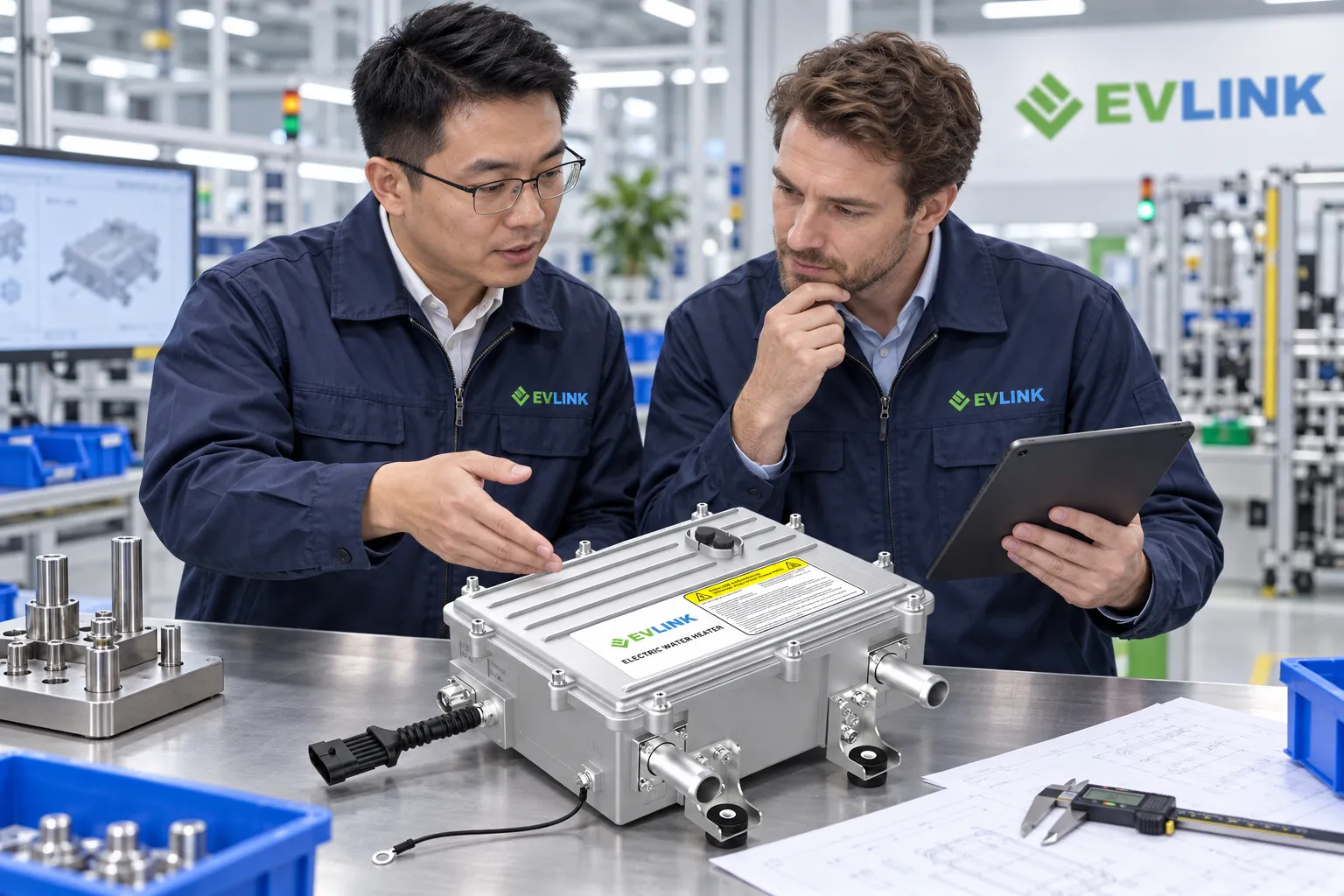
SUPPLIER REVIEW
Evaluate the Supplier and the Exact Configuration
Factory artwork can support a supplier review, but product approval requires records matching the selected heater.
- Released specification and drawing revision
- Connector and mating-component definition
- Applicable electrical and environmental reports
- Prototype inspection and acceptance requirements
- Confirmed quotation, timing and commercial terms
SELECTION QUESTIONS
What Buyers Ask Before Shortlisting
Answers are deliberately configuration-dependent so purchasing and engineering teams know what to confirm.
Start with the required thermal duty and electrical supply, then compare package, coolant connections, mounting and controls. Confirm performance at the required coolant temperature and flow rather than selecting by a headline power value alone.
The collection contains different package shapes, mounting arrangements, coolant-pipe layouts and electrical interfaces. Use the cards to shortlist a physical configuration, then request the released specification for that exact model.
No. A7 is identified in the supplied material as a three-pin AC configuration. Confirm supply type, phases, voltage range, connector definition and protection requirements before selection.
Not necessarily. Confirm connector series, mating part, keying, pinout, HVIL, current rating and environmental sealing. A brand name or similar appearance does not establish compatibility.
Use the published reference dimensions for initial screening. The released installation drawing must also account for mounting hardware, hose engagement and bend radius, mating connectors, cable routing, tolerances and service access.
Send the vehicle or equipment type, circuit purpose, known voltage range, thermal objective and available space. Identify the constraints that cannot change and list any open requirements for engineering review.
Request the configuration-specific specification and drawing, connector and mating-part definition, applicable control documentation, relevant validation records, sample inspection requirements and confirmed commercial terms.
PROJECT ENQUIRY
Tell Us What You Know About Your Project
Share the vehicle or equipment type, circuit purpose, voltage window, thermal target, coolant conditions, available space, preferred configurations, required documents, sample timing and forecast volume.