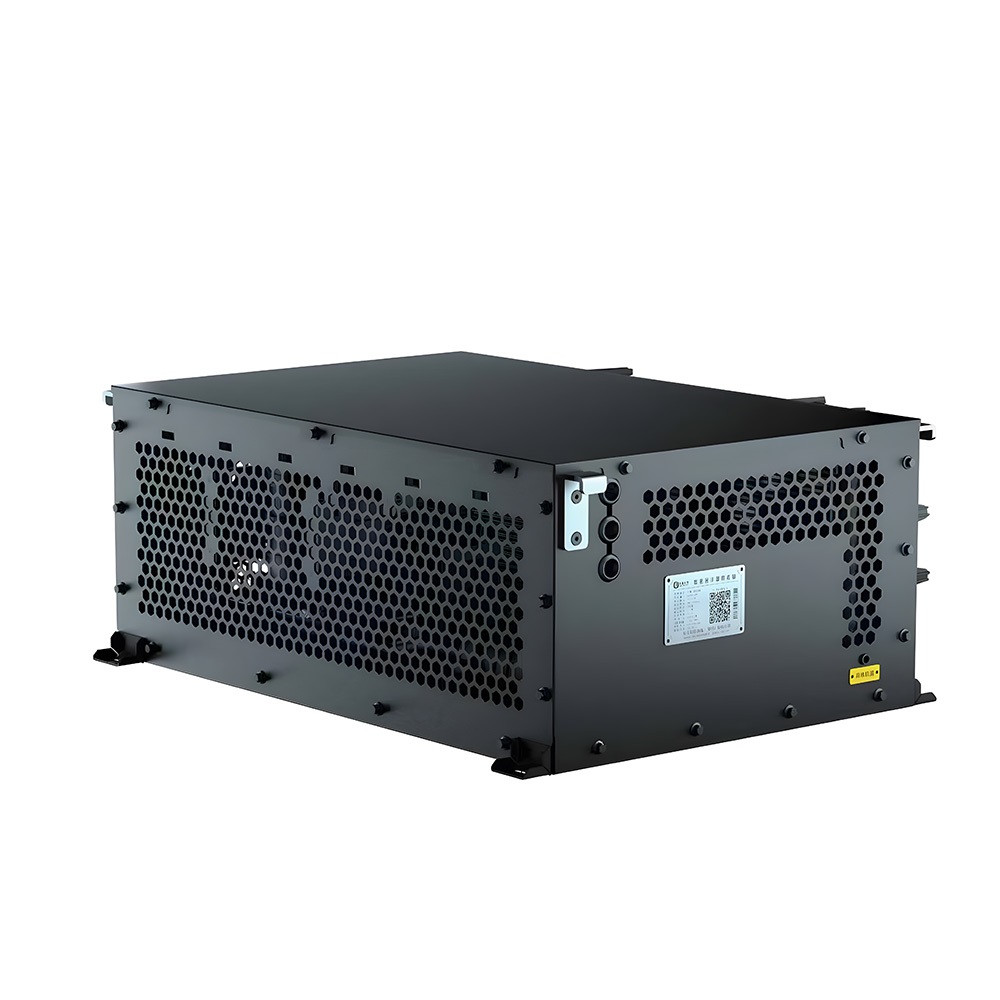
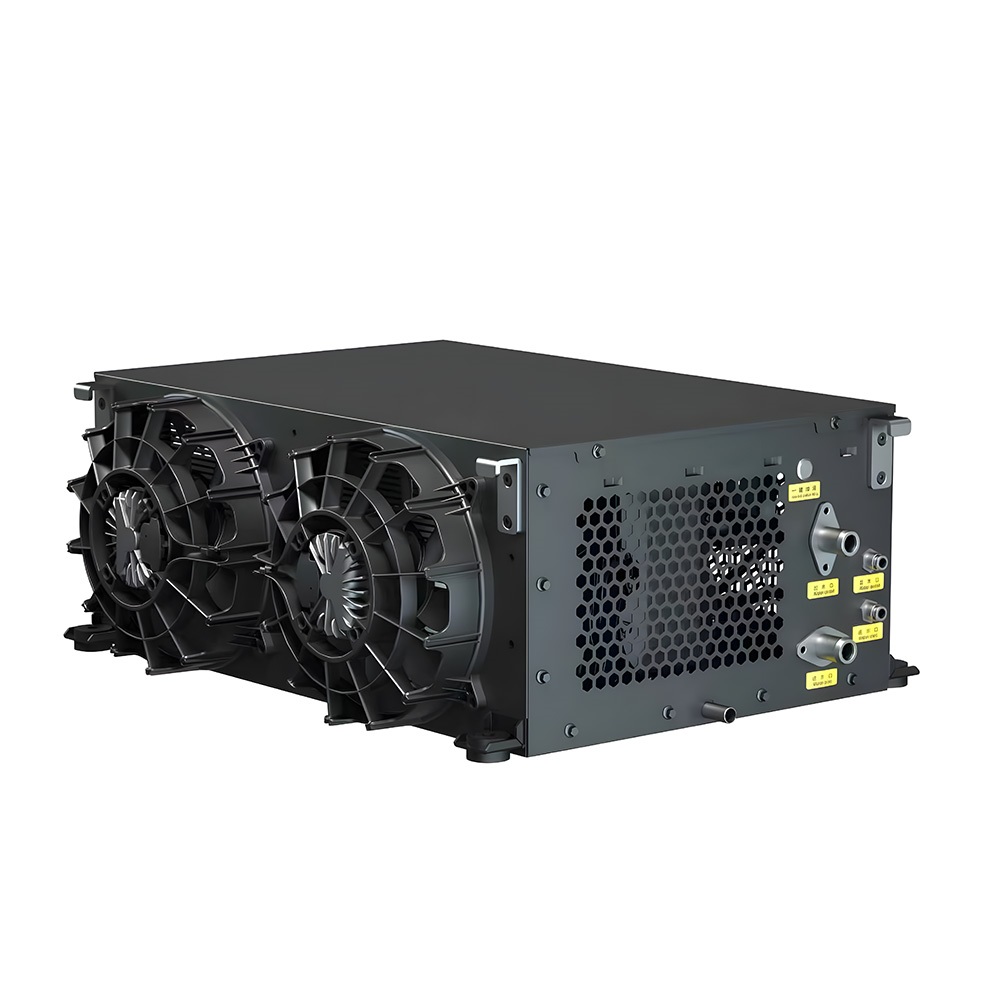
Liquid-cooled EV battery thermal management system integrating 5kW cooling, 6kW CAN-controlled PTC heating and intelligent temperature control.

5kW Battery Thermal Management System

5kW
Rated Cooling

6kW
PTC Heating

CAN 2.0
Vehicle Communication

IP67
Protection

Engineered for EV Battery Thermal Management

The 5kW Battery Thermal Management System is designed for liquid-cooled electric vehicle battery platforms that require both active cooling and controlled heating.

The system integrates a refrigeration circuit, PTC heating, coolant circulation, ECU control and temperature monitoring within a compact thermal management unit. With CAN 2.0 communication and PID temperature control, it supports coordinated battery temperature management across different vehicle operating conditions.

Four operating modes — cooling, heating, self-circulation and standby — allow the system to respond to different battery thermal requirements while supporting vehicle-level control and integration.

01
5kW Active Cooling
Provides controlled liquid cooling for EV battery thermal management.
02

6kW PTC Heating

CAN-controlled PTC heating supports battery temperature control in cold conditions.

03
PID Temperature Control
Integrated ECU uses PID control for precise coolant temperature management.
04
CAN 2.0 Communication
Supports vehicle-level communication, monitoring and coordinated thermal control.
05
Integrated DCDC Module
Built-in 1kW DCDC module simplifies electrical system integration.
06
Four Operating Modes
Cooling, heating, self-circulation and standby for different operating conditions.

Product Configuration

Integrated 5kW BTMS System Configuration

Unit Model
Installation Method
illustrate

LDC560HA

Transverse horizontal

High-voltage DC power supply: DC 400–800V
Low-voltage DC power supply: Rated DC 24V
Rated cooling capacity: 5kW; rated heating capacity: 6kW
Proprietary ECU control with precise PID temperature regulation
Integrated DC-DC module (1kW power output)
Integrated PTC heating (CAN-controlled)
External expansion tank (includes fluid level sensor)
Single-circuit cooling mode: independent control of battery pack temperature
Unit features independent wake-up and one-touch fluid filling functions
Four operating modes: Cooling / Heating / Self-circulation / Standby
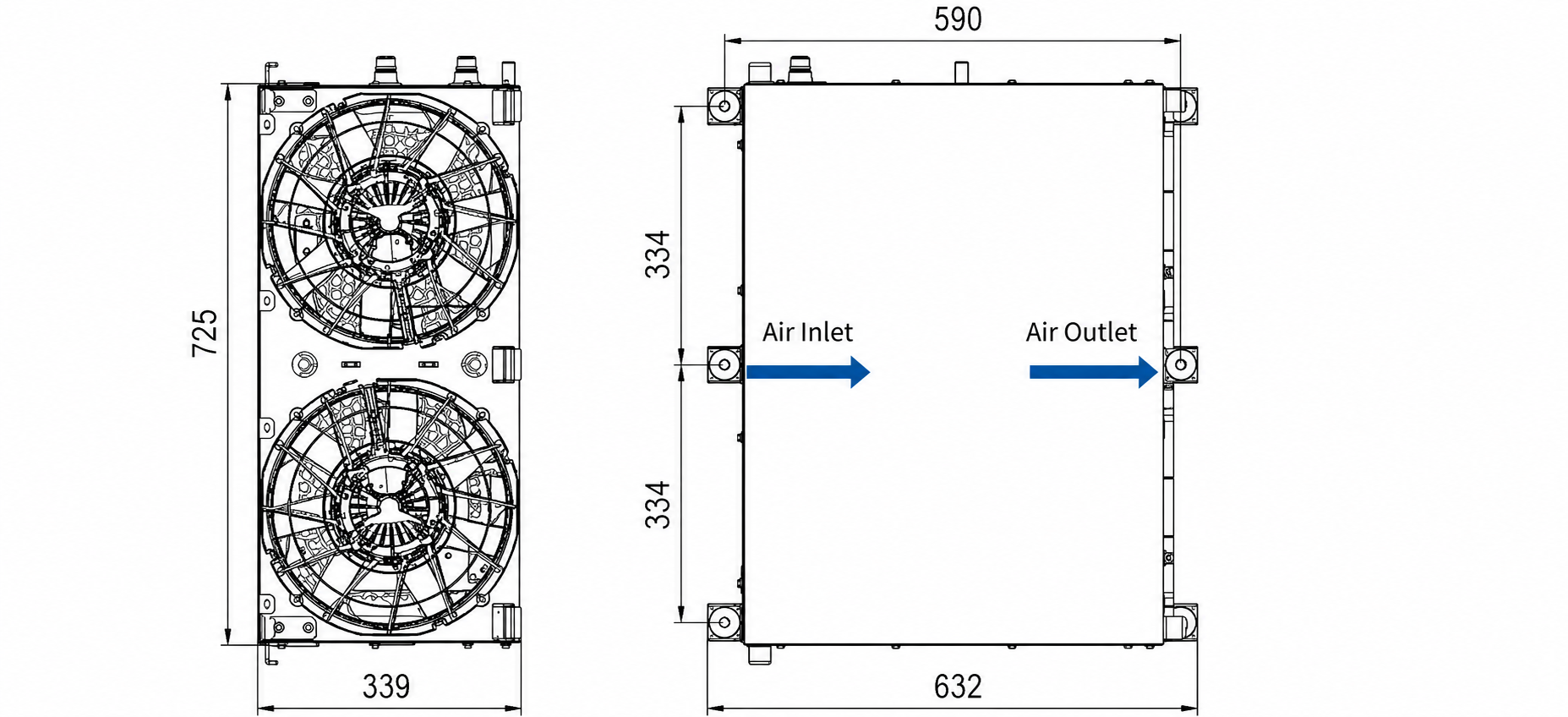
Dimensions & Interfaces

Maximum overall dimensions of the unit

Dimensions 775 × 594× 286mm

────────────────────────────────

Unit installation dimensions

Mounting Distance 512× 326mm
────────────────────────────────
Mounting 6× M8
────────────────────────────────
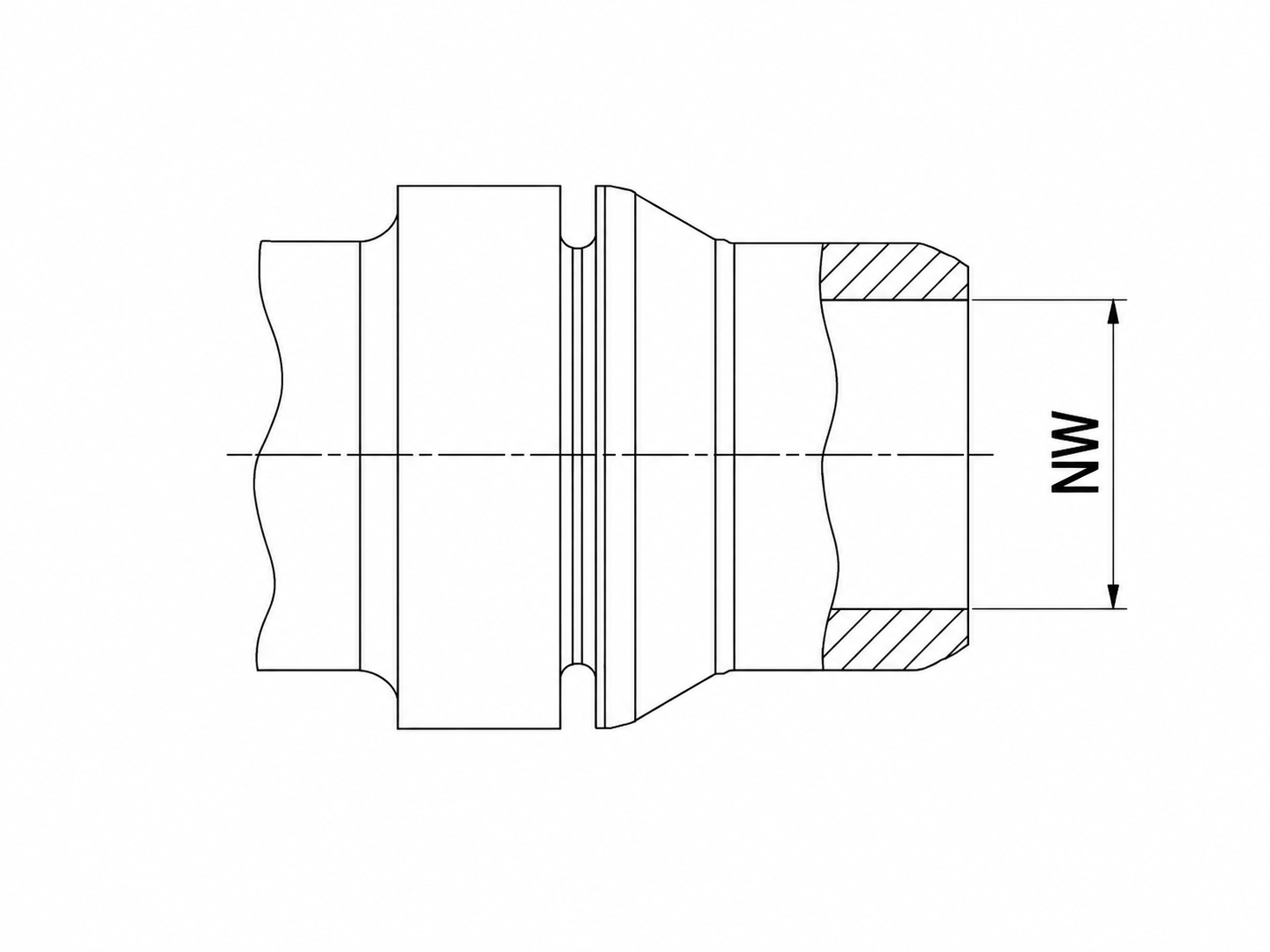
Cooling water connection

Coolant Outlet NW16
────────────────────────────────
Coolant Return NW16
────────────────────────────────
Drain Port Ø16 mm
────────────────────────────────
Power interface

High Voltage Input DC 400–800V
────────────────────────────────
Low Voltage Input DC 24V
────────────────────────────────
Communication CAN 2.0

────────────────────────────────

Technical Specifications

Key performance and integration parameters of the  5kW Battery Thermal Management System

ParameterSpecification
Rated Cooling Capacity5 kW
Heating Capacity6 kW, CAN-Controlled PTC
Low Voltage InputDC 24V
CommunicationCAN 2.0, 250 kbps
Pump Capacity40 L/min & 21M
Cooling FansDC 24V / 2 pcs
Max. HV Input Current<20 A
Operating Temperature-35°C to 60°C
Storage Temperature-40°C to 80°C
RefrigerantR134a
Coolant50% Ethylene Glycol Solution
Pressure Resistance3.5 bar
Weight32 kg
COP>2.0 @ L40W18
Protection RatingIP67
Operating Noise<75 dB
Design Life10 Years
Warranty3 Years

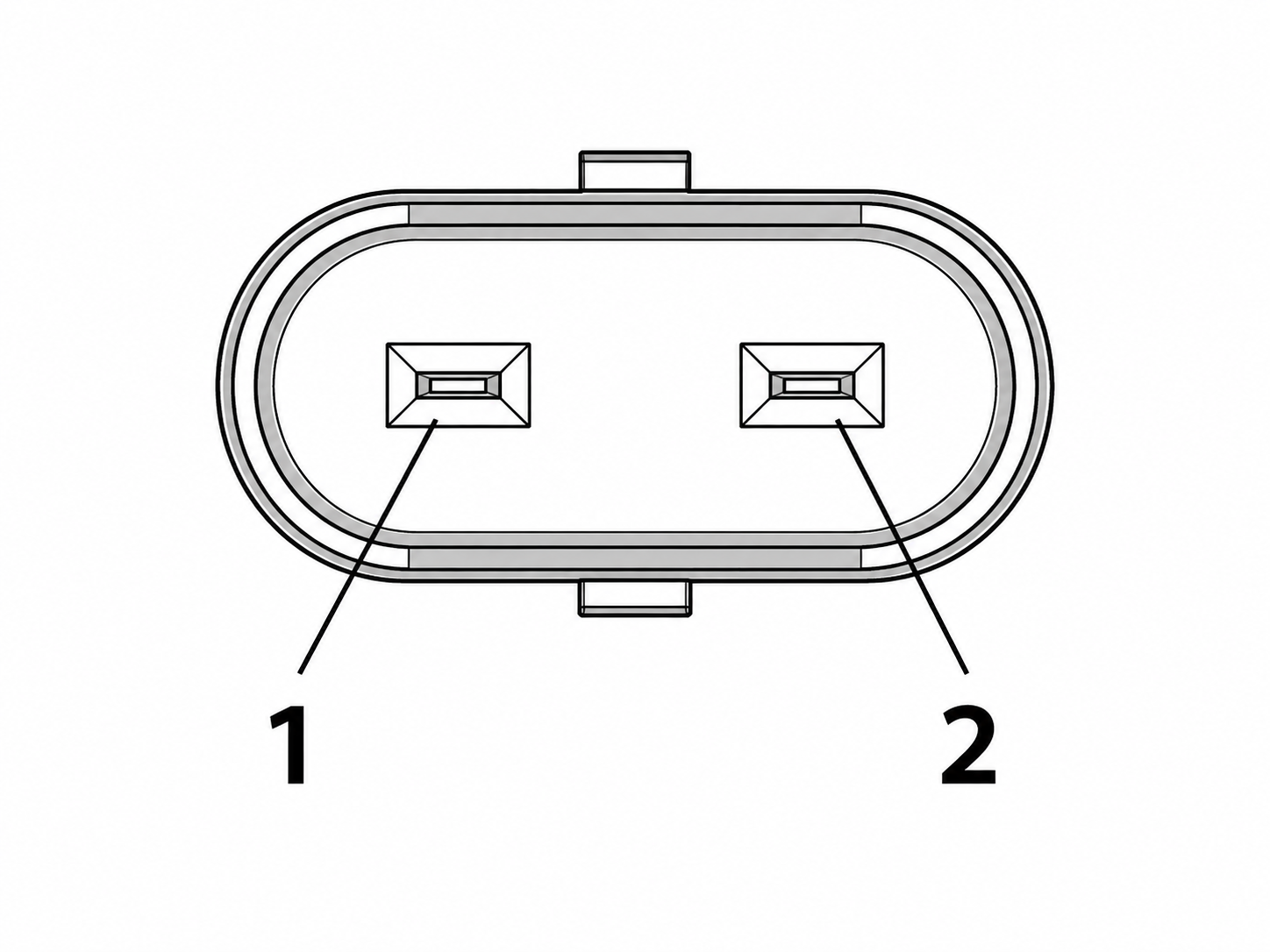
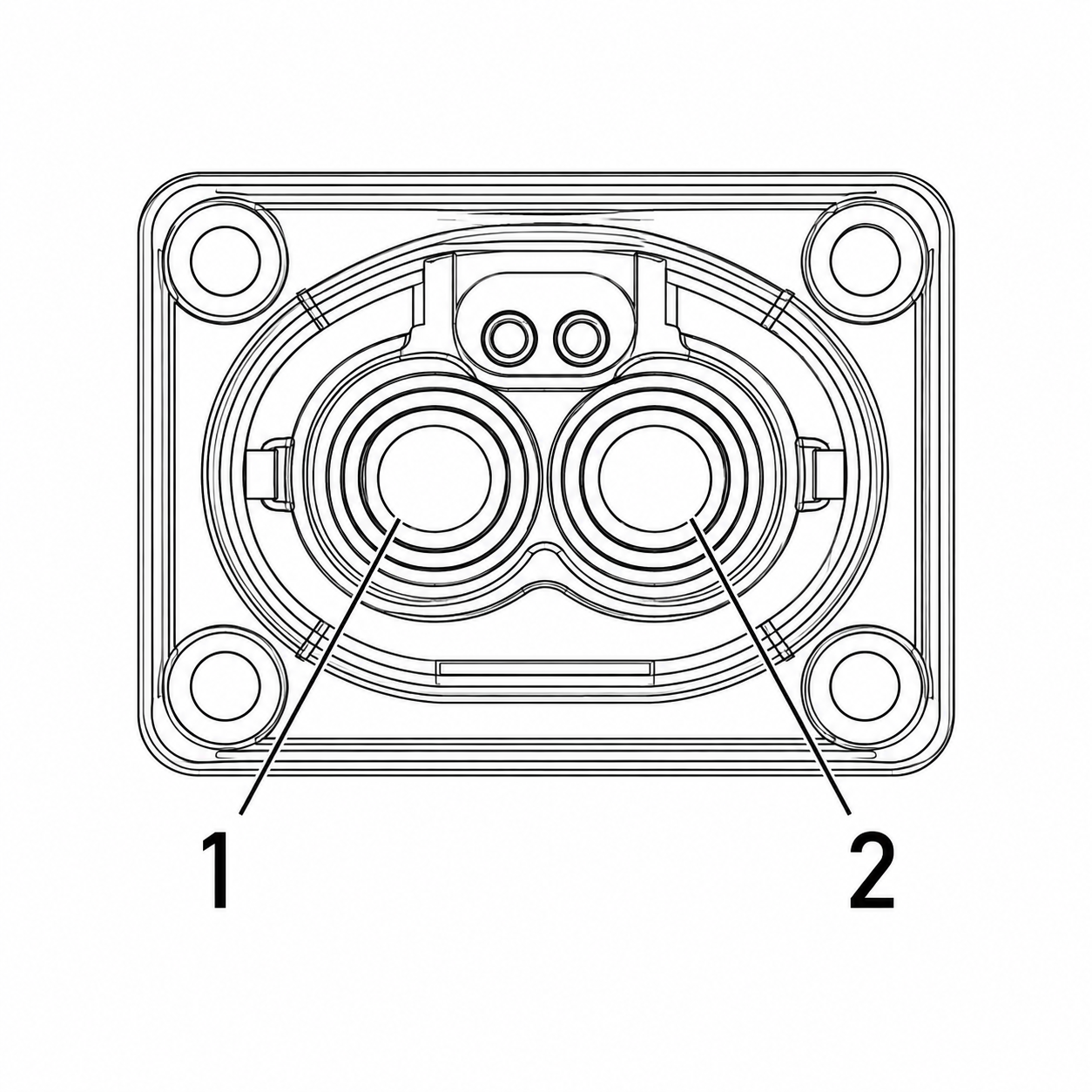
Electrical interface

Unit High-Voltage
Interface
(Cable: 6mm²)

Unit side: Amphenol PL082X-61-6

Harness side: Amphenol PL182X-61-6

PIN 1:HV+
PIN 2:HV-

End-insertion mounting

External PTC
High-voltage interface
(Cable: 2.5 mm²)

Unit side: Amphenol PL082X-61-2.5
Harness side: Amphenol PL182X-61-2.5

PIN 1:HV+

PIN 2:HV-

End-insertion mounting

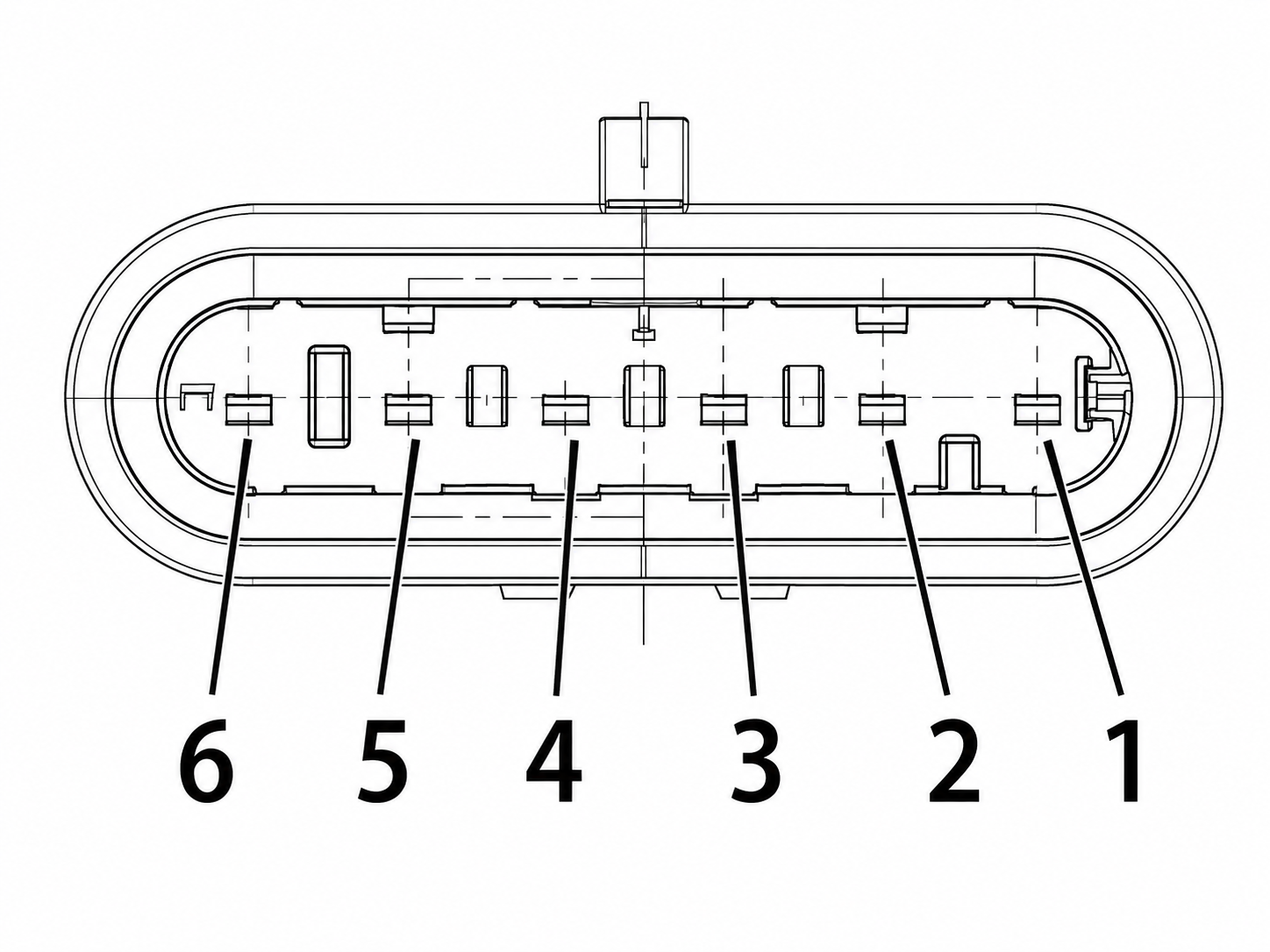
Unit Communication
Interface
(Cable: 0.5 mm²)

Unit side: Tyco AMP
282108-1
Wiring harness side: Tyco AMP
282090-1

PIN 1: 24V+
PIN 2: GND
PIN 3: Liquid Level+
PIN 4: Liquid Level-
PIN 5: CAN_H
PIN 6: CAN_L

Unit lead wire length:
200mm

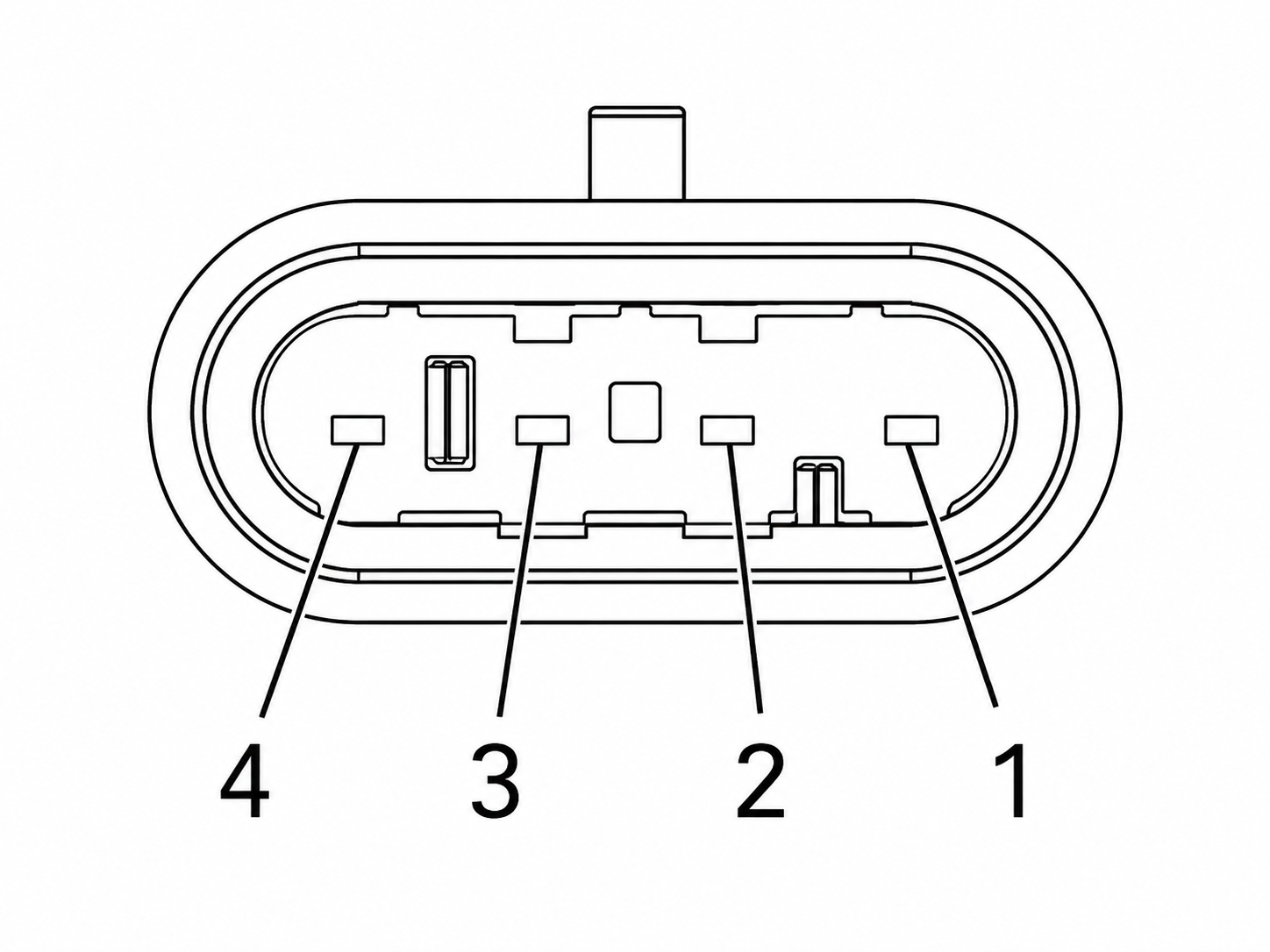
External PTC
Communication interface
(Cable: 0.5 mm²)

Unit side: Tyco AMP
282106-1
Harness side: Tyco AMP
282088-1

PIN 1:24V+

PIN 2:GND

PIN 3:CAN_H

PIN 4:CAN_L

Unit lead wire length:
200mm

Expansion tank
Connector
(Cable: 0.5mm²)

Wire harness side: FEP
1K0 973 202

PIN 1:S+

PIN 2:S-

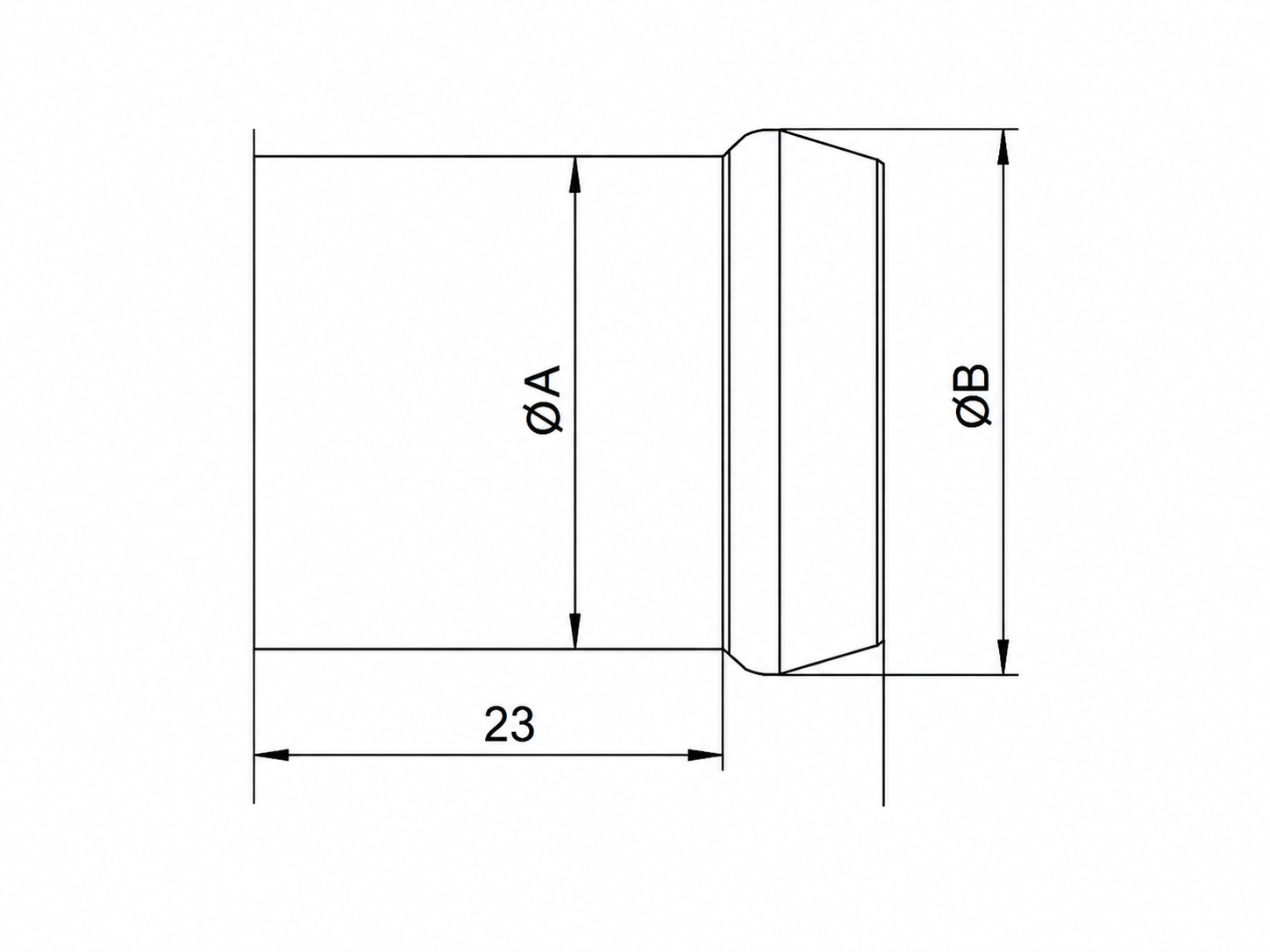
Client-side Adaptation
(External Water Bottle)

Coolant Port

DIN interface (optional)

VDA quick-connect (optional)

Cooling + Heating

ACTIVE BATTERY COOLING

Battery Liquid Cooling for Electric Vehicles
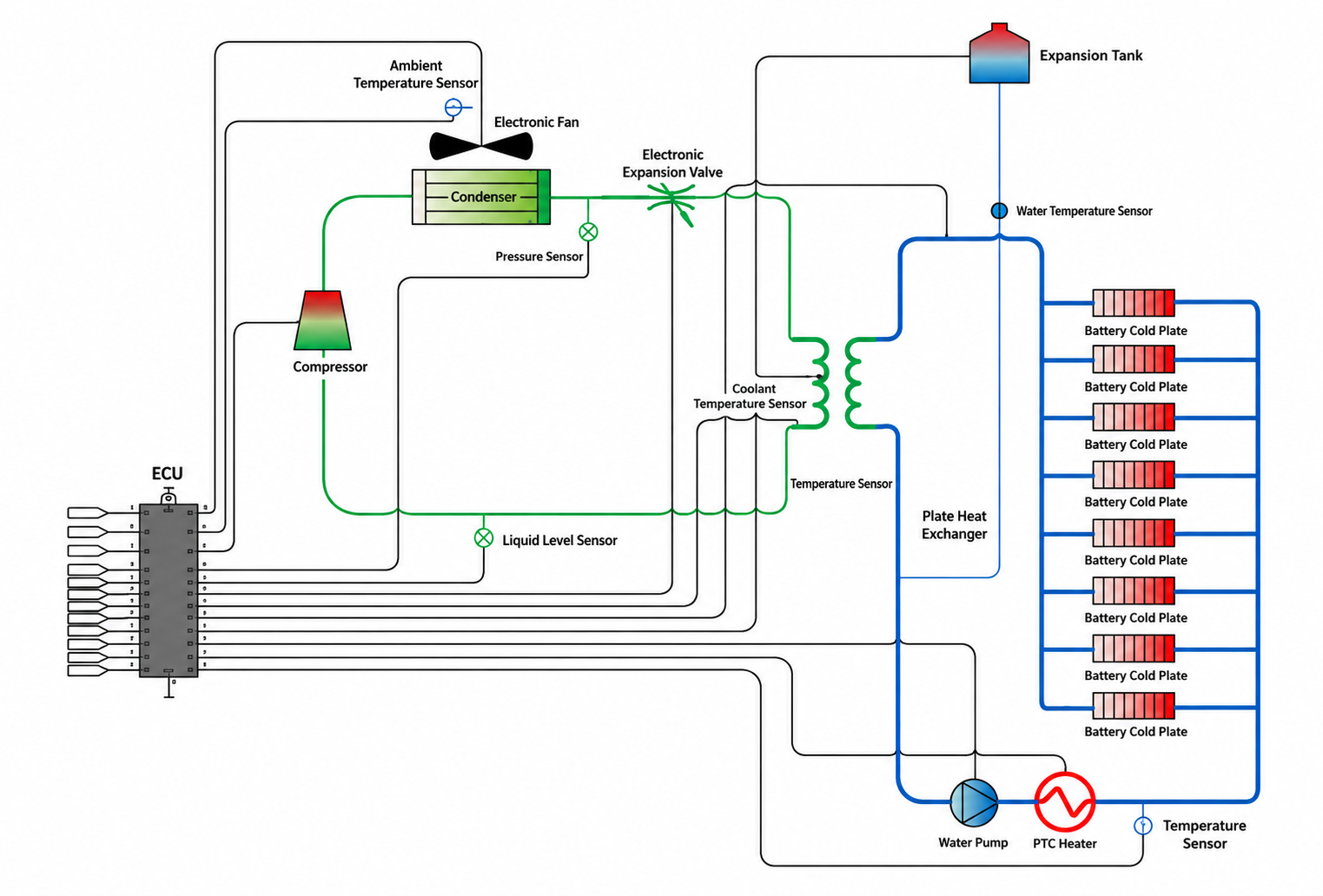
During battery charging and discharging, heat is transferred from the battery cells through the battery cold plate into the coolant loop. The circulation pump moves the heated coolant to the plate heat exchanger, where the refrigeration circuit removes heat from the coolant.
The cooled fluid then returns to the battery loop, helping maintain controlled battery operating temperatures under changing vehicle loads and ambient conditions.
  • 40 L/min Coolant Circulation
  • Plate Heat Exchanger
  • Active Refrigeration Cooling
  • Battery Coolant Loop Integration

BATTERY HEATING

6kW PTC Heating for Low-Temperature Operation
When battery temperature falls below the required control range, the integrated PTC heating system can provide up to 6kW of heating capacity. CAN-based control allows the heating function to operate as part of the overall battery thermal management strategy.
This cooling-and-heating architecture enables the BTMS to support battery temperature control across both hot and cold operating conditions.
  • 6kW Heating Capacity
  • CAN-Controlled PTC
  • Battery Temperature Control
  • Low-Temperature Thermal Management

How It Works

SYSTEM ARCHITECTURE

How Does a 5kW Battery Thermal Management System Work?

01

Battery Heat Transfer

Heat moves from battery cells to the coolant through the battery cold plate.

02

Coolant Circulation

The pump circulates heated coolant through the battery cooling loop.

03

Refrigeration Cooling

The refrigerant absorbs heat from the coolant through the plate heat exchanger.

04

Heat Rejection

The condenser releases absorbed heat to the surrounding environment.

05

PTC Heating & ECU Control

When heating is required, the PTC system operates under coordinated ECU and CAN control.

System Integration

VEHICLE INTEGRATION

Designed for Vehicle-Level BTMS Integration
The 5kW BTMS is designed to integrate with the vehicle battery coolant loop and electrical control architecture. CAN communication enables coordinated operation between the thermal management system and vehicle control system.

Battery Thermal Control

Cooling and heating support for different battery operating conditions

Coolant Loop Integration

NW16 coolant interfaces support integration with the vehicle battery cooling circuit

Vehicle CAN Communication

CAN 2.0 enables vehicle-level control, monitoring and thermal management coordination。

Applications


Electric Commercial Vehicles

Supports battery liquid cooling and heating requirements for electric commercial vehicle platforms requiring active temperature control


Electric Buses

Designed for integration with liquid-cooled battery systems where stable thermal management is required across different operating conditions


Electric Trucks

Provides active cooling and PTC heating support for electric truck battery thermal management systems


Special-Purpose EVs

Suitable for specialized EV platforms requiring liquid cooling, controlled heating and intelligent CAN-based thermal management

Engineering & Customization

Engineered Around Your Vehicle Platform


Different EV platforms require different voltage ranges, coolant interfaces, installation layouts and control strategies. EVLINK provides engineering support for thermal matching, vehicle integration, CAN communication and installation requirements.

Selection Guide

Is a 5kW Battery Thermal Management System Right for Your Project?

Cooling capacity alone should not determine BTMS selection. Vehicle engineers should also evaluate battery heat load, voltage platform, coolant flow, heating requirements, installation space, ambient conditions and CAN communication requirements.

01

Cooling Load

Verify the continuous and peak thermal load of the battery pack

02

Heating Requirement

Determine whether low-temperature battery heating is required

03

Voltage Platform

Match the BTMS to the vehicle high-voltage architecture

04

Coolant Flow

Confirm coolant flow and pressure requirements

05

Installation Space

Check unit dimensions, mounting position and service access

06

CAN Integration

Define communication protocol and vehicle control requirements

If your required continuous cooling load exceeds 5kW, a higher-capacity BTMS should be evaluated.

OEM / ODM

OEM & ODM Engineering Support

From initial technical evaluation to prototype development and vehicle integration, EVLINK supports OEM and ODM projects with flexible engineering solutions tailored to specific thermal management requirements.

Technical Evaluation

Prototype Development

Validation

Mass Production

FAQ

5kW Battery Thermal Management System FAQs

1. What is a 5kW Battery Thermal Management System?

A 5kW battery thermal management system is an active thermal control unit designed to manage battery coolant temperature. This model combines 5kW rated cooling with 6kW PTC heating, coolant circulation and CAN-based control.


2. Does this 5kW BTMS provide both cooling and heating?

Yes. The unit provides 5kW rated cooling capacity and 6kW PTC heating capacity, allowing the system to support battery temperature management under both high- and low-temperature conditions.


3. Does the 5kW BTMS support CAN communication?

Yes. The system supports CAN 2.0 communication at 250 kbps for vehicle-level control and communication.


4. What coolant is used in the BTMS?

The specified coolant is a 50% ethylene glycol solution. The refrigeration circuit uses R134a refrigerant.


5. What operating temperature does the system support?

The specified operating temperature range is -35°C to 60°C, with a storage temperature range of -40°C to 80°C.


6. How do I know whether a 5kW BTMS is suitable for my vehicle?

Selection should consider battery thermal load, required heating capacity, voltage platform, coolant flow, installation space, ambient conditions and CAN communication requirements. Share these parameters with the engineering team for evaluation.

Looking for the Right 5kW BTMS for Your Project?

Share your battery voltage, thermal load, heating requirement, coolant flow, installation space and CAN communication requirements with our engineering team.

STILL HAVE A QUESTION?

Discuss Your EV Thermal Management Requirements

Share the platform, voltage, thermal target, installation space, coolant or refrigerant, connectors, CAN requirements, validation stage and timing.

Submit Your Sourcing Request

To make it easier for you to receive a quote, simply leave your information, and we will contact you as soon as possible.

Contact Form Demo