Book Appointment Now


APPLICATION | CONSTRUCTION MACHINERY
Electric Construction Machinery Thermal Management Solutions
Rugged battery cooling, high-voltage coolant heating and intelligent control solutions engineered for electric excavators, wheel loaders and other off-highway equipment.
Each construction machinery thermal management system is designed around variable hydraulic loads, low-speed operation, rapid charging, compact installation space, dust, vibration and field serviceability.
Off-Highway
Rugged platforms
CAN / CAN FD
Machine integration
Custom
Compact architecture
CONSTRUCTION DUTY CHALLENGES
Why Construction Machinery Needs a Dedicated Thermal Strategy
The thermal architecture must follow the machine work cycle, installation envelope and jobsite conditions rather than a generic road-vehicle profile.
01 | Variable Hydraulic Loads
Digging, lifting and travel create rapidly changing battery and electrical heat loads.
02 | Low-Speed Operation
Long periods at low vehicle speed reduce natural airflow across heat exchangers.
03 | Opportunity Charging
Break-time or fast charging adds thermal demand within a short operating window.
04 | Dust, Mud & Debris
Airflow, sealing, mounting and service access must suit real construction sites.
05 | Shock, Vibration & Tilt
Components and interfaces must remain stable during impacts and uneven operation.
06 | Compact Installation
Limited envelopes require coordinated packaging and accessible maintenance points.
INTEGRATED ARCHITECTURE
One Coordinated Off-Highway Thermal System
EVLINK combines battery cooling, battery preheating, electric compression and intelligent control in a project-specific architecture coordinated with the machine VCU and BMS.
1 | Battery Cooling Loop
Controls pack temperature during digging, travel and charging.
2 | Battery Heating Loop
Supports cold starts and low-temperature charging.
3 | Power & CAN Control
Coordinates heaters, compressors, pumps and machine operating states.
Battery Pack
Traction energy storage
BTMS
Battery cooling
Thermal Controller
Power and CAN coordination
HVCH
Battery preheating
Hydraulic Work Cycle
Travel & Charging
Cabin & Electronics
MACHINE PLATFORMS
Electric Construction Equipment We Support
01 | Electric Excavator
Crawler and wheeled excavators with repeated digging, swing and travel cycles.
02 | Electric Wheel Loader
Frequent loading, travel and hydraulic demand with opportunity charging.
03 | Electric Telehandler
Compact packaging and coordinated traction, lift and cabin thermal loads.
04 | Road & Compaction Equipment
Low-speed continuous operation for rollers, pavers and specialist machines.
PRODUCT PORTFOLIO
EVLINK Products for Construction Machinery Thermal Management
Use individual components or combine them in an engineering-defined machine architecture.
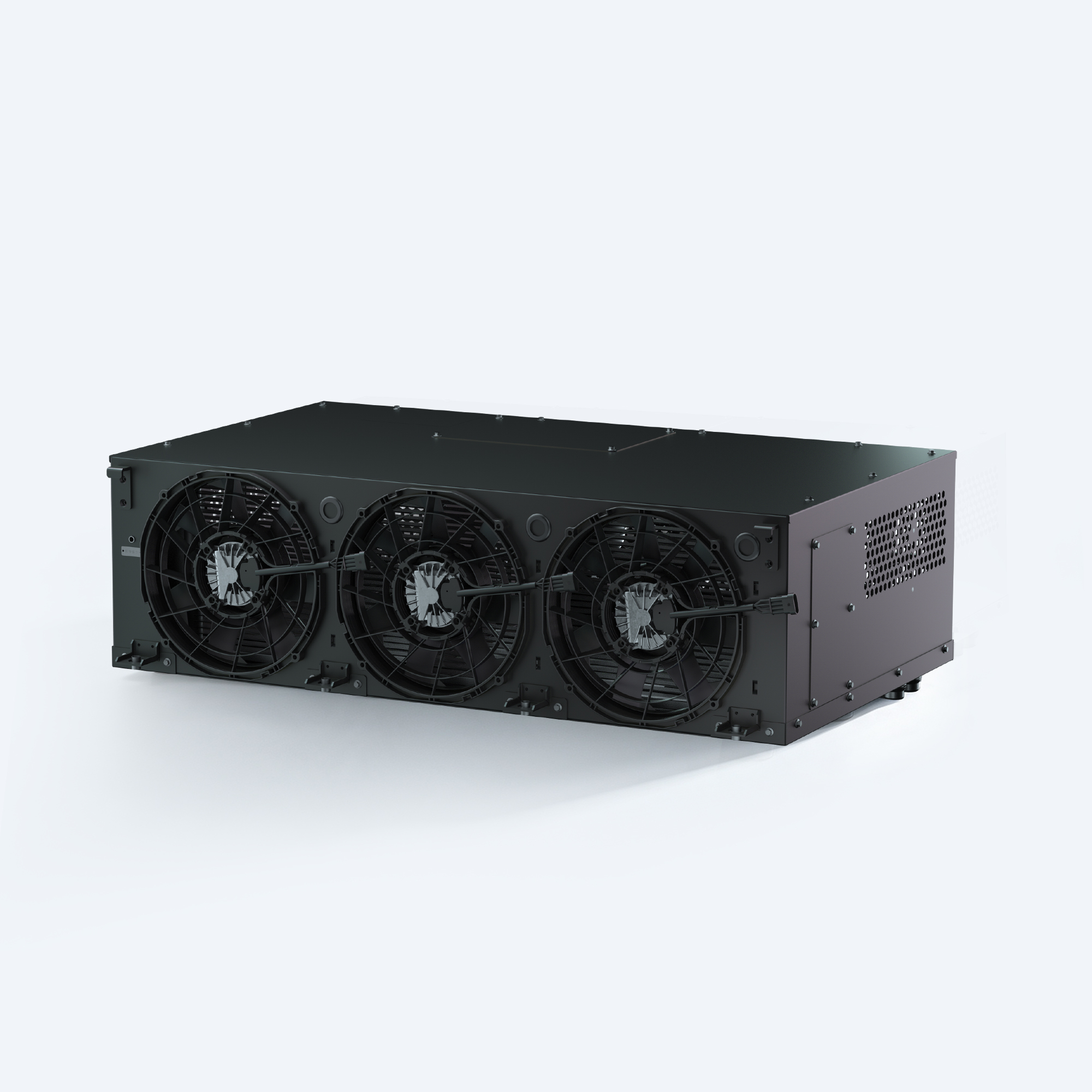
01 | Battery Thermal Management System
Liquid cooling and heating for battery operation, charging and standby.
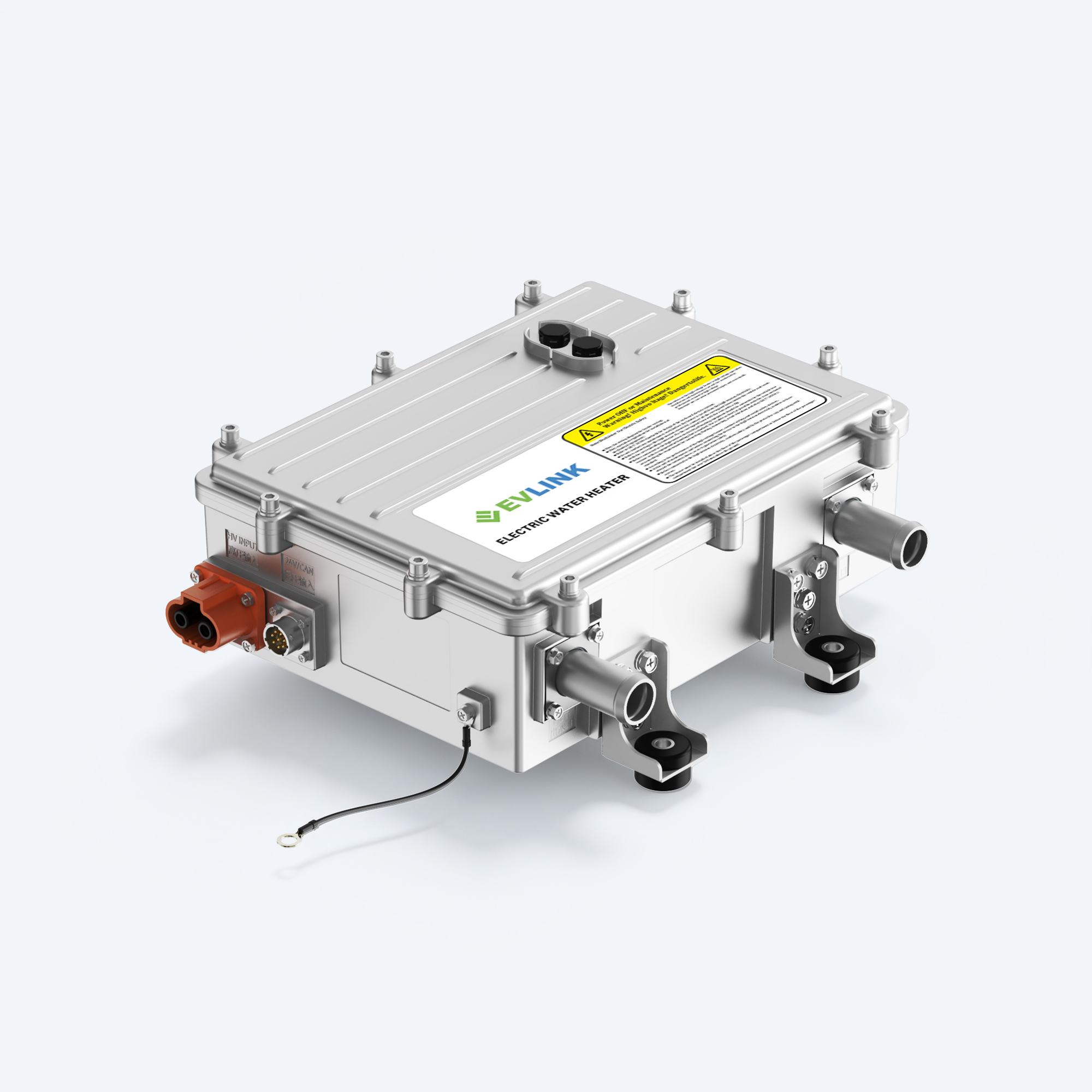
02 | High Voltage Coolant Heater
Controlled coolant heating for battery preconditioning and cold jobsites.
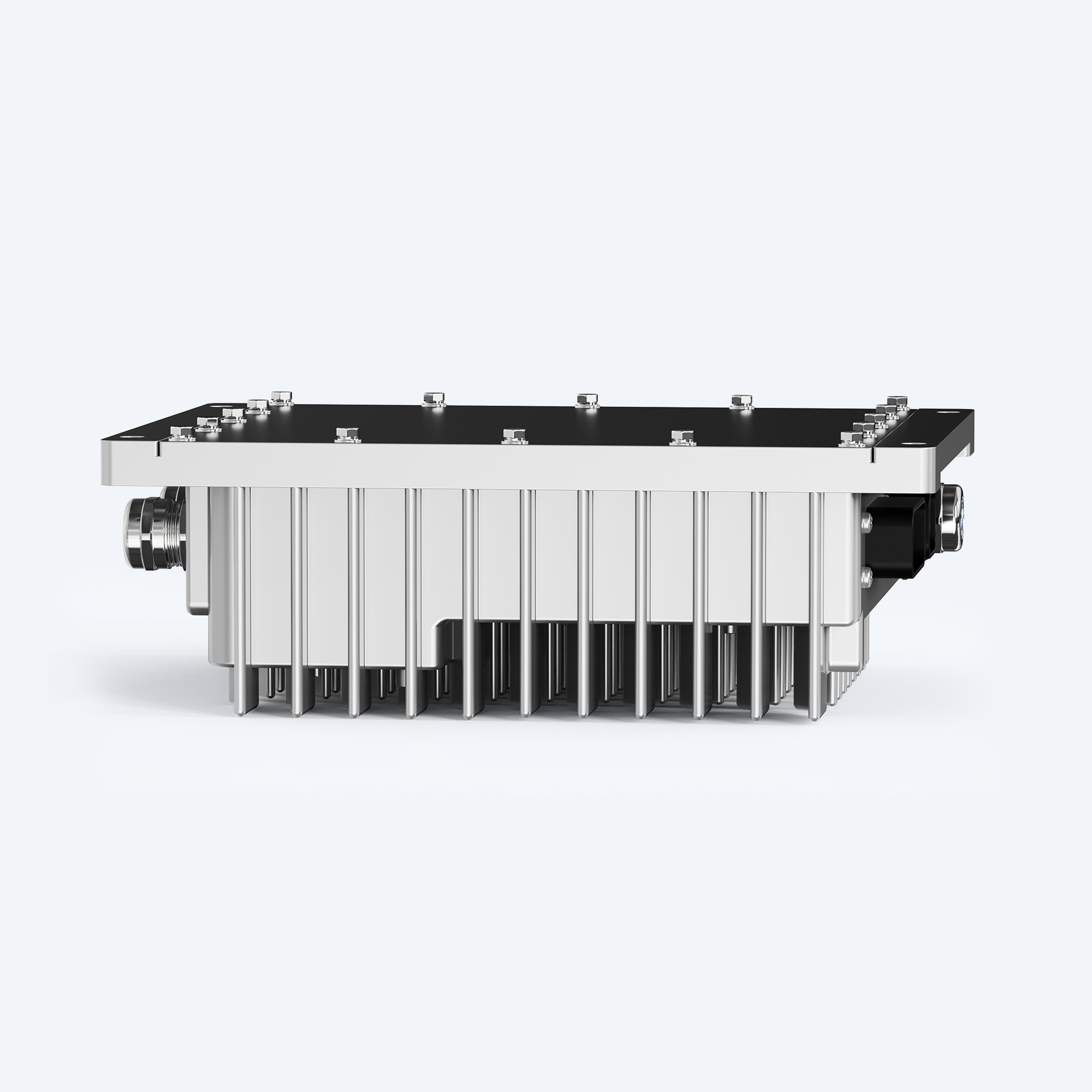
03 | Three-in-One Controller
Integrated thermal power control and communication for compact architectures.
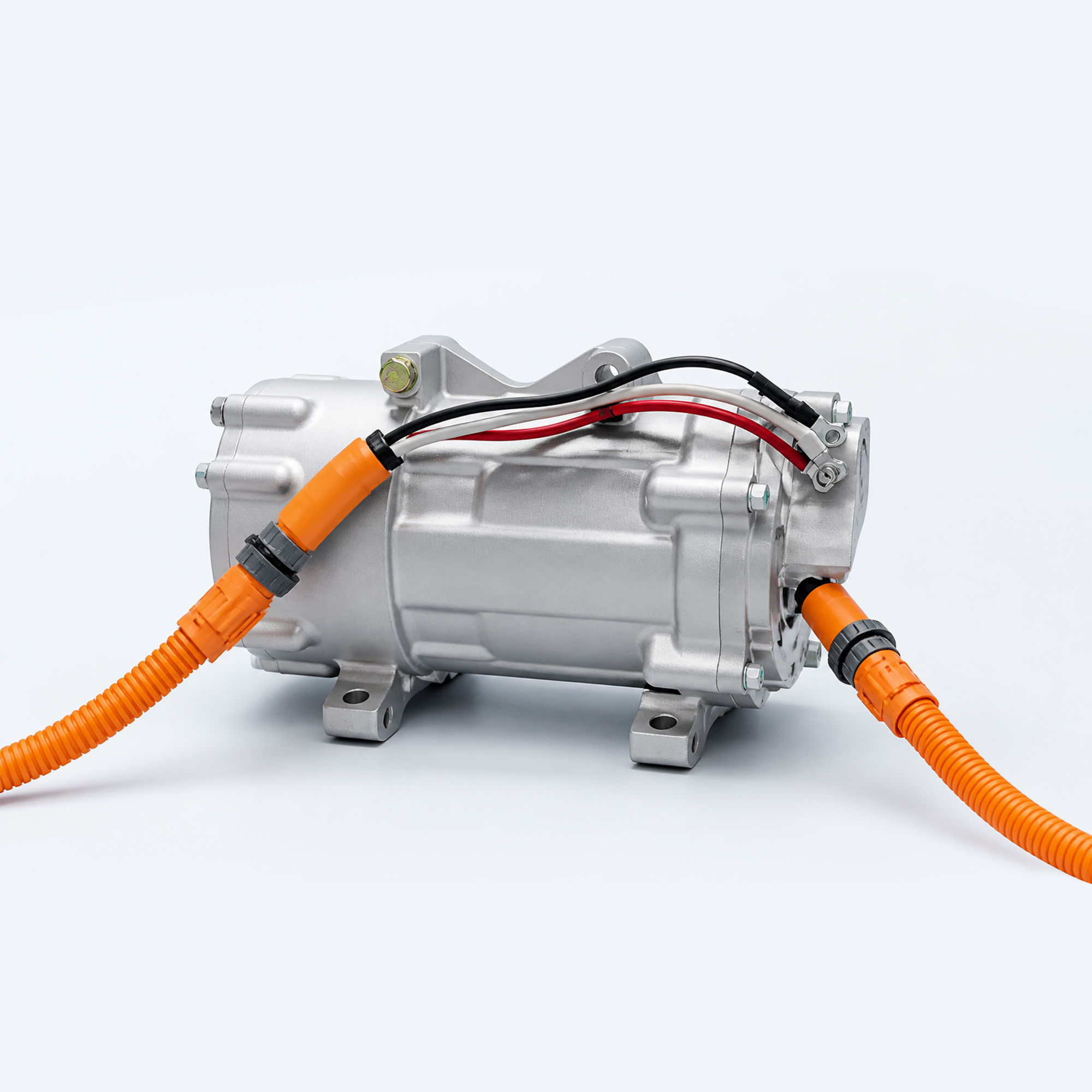
04 | Electric Compressor
Active refrigerant compression for battery and machine cooling circuits.
COMPLETE WORK CYCLE
Thermal Management Across the Machine Duty Cycle
01 | Cold Start & Preconditioning
Prepare the battery and coolant before the work shift.
02 | Travel to Work Area
Manage traction demand and changing airflow.
03 | Digging or Loading
Respond to repeated high hydraulic and electrical loads.
04 | Low-Speed & Idle
Maintain temperature when natural airflow is limited.
05 | Heavy Lift & Grade
Control sustained peak heat during demanding work.
06 | Break-Time Charging
Coordinate cooling with opportunity or fast charging.
PROJECT INPUTS
Information Required for a Construction Machinery Project
Share the machine architecture and operating profile. EVLINK engineers can then size components and define interfaces around the real work cycle.
- Machine type and operating mass
- Battery capacity, chemistry and pack layout
- High- and low-voltage platforms
- Hydraulic, traction and auxiliary duty cycle
- Maximum charging power and charging schedule
- Minimum and maximum ambient temperature
- Dust, mud, debris and washdown exposure
- Shock, vibration, tilt and mounting requirements
- Cooling and heating load targets
- Available installation and service envelope
- Coolant type, flow and pressure requirements
- Cabin and power-electronics thermal scope
- VCU, BMS and CAN communication
- Target market, standards and validation plan
ENGINEERING DELIVERABLES
From Machine Requirements to Validated Integration
Clear technical outputs help engineering and purchasing teams move the project forward.
01 | Thermal Load Calculation
Evaluate hydraulic, traction, charging, auxiliary and ambient heat loads.
02 | Component Selection & Sizing
Select suitable BTMS, heater, controller and compressor configurations.
03 | Compact Packaging Review
Plan mounting, airflow, coolant routing and service access.
04 | Electrical & CAN Integration
Define power, signals, operating states, limits, faults and diagnostics.
05 | Prototype Support
Support sample installation, commissioning and issue review.
06 | Validation Documentation
Prepare agreed drawings, interface data and project test records.
VALIDATION PLANNING
Validation for Demanding Construction Conditions
The final test matrix must be agreed for the selected product model, machine installation, jobsite, target market and customer standard. Replace this guidance with verified EVLINK evidence before publishing specific compliance claims.
- Cooling and heating performance
- High- and low-temperature operation
- Variable-load duty-cycle testing
- Coolant flow, pressure and leak checks
- Electrical insulation and protection review
- CAN communication and fault strategy
- Shock, vibration and mounting requirements
- Dust, water and debris requirements
- Tilt, installation and serviceability review
- Prototype machine verification
FACTORY & QUALITY EVIDENCE
Show the Proof Behind the Engineering
Replace these editable placeholders with authentic EVLINK production and test photographs, factual captions and traceable records.
01
Production & Assembly
Real workstation and process caption
02
Incoming Inspection
Components, criteria and records
03
Functional Testing
Leak, pressure and electrical checks
04
Traceability & Delivery
Serial records, packaging and shipment
PROJECT DOCUMENTATION
Engineering Outputs Your Team Can Review
- Technical solution proposal
- Product selection and sizing
- 2D / 3D product drawings
- Installation interface definition
- Electrical connection information
- CAN communication documentation
- Prototype samples
- Validation and test information
- Delivery documentation
WHY EVLINK
A Practical Thermal Engineering Partner for Electric Machinery
A | Commercial & Off-Highway Focus
Thermal products and support centered on demanding electric machinery.
B | Project-Specific Engineering
Sizing and interfaces developed from the actual work cycle and envelope.
C | Integrated Product Portfolio
BTMS, heaters, controllers and compressors coordinated through one team.
D | Development Support
Support from requirements and samples through production preparation.
APPLICATION CONCEPT
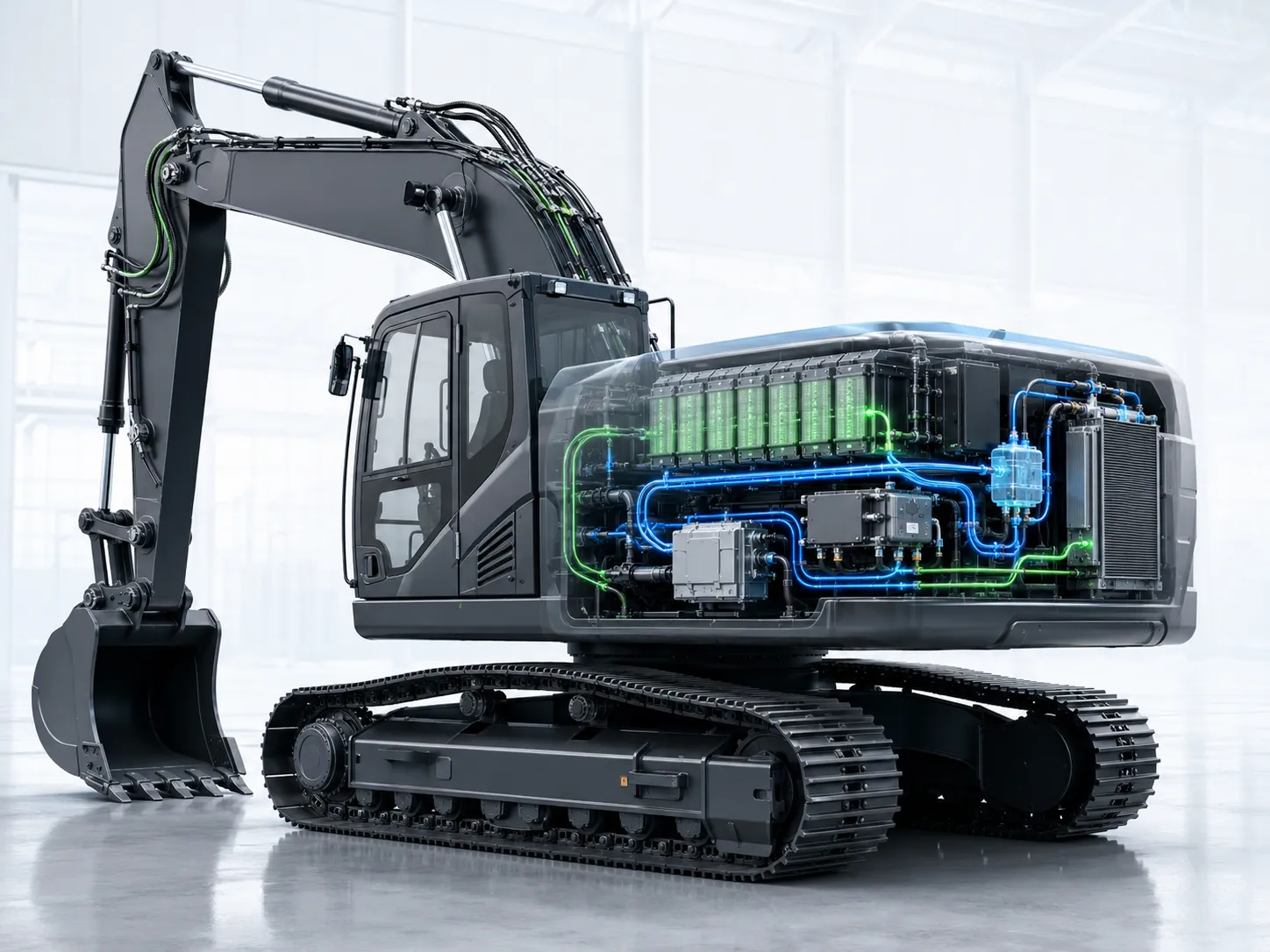
Electric Excavator Thermal Management Project
Use this area for a verified case: machine type, battery, work cycle, temperature range, customer challenge, EVLINK architecture, validation method and measurable result. Until verified evidence is available, label generated visuals as application concept renderings.
FREQUENTLY ASKED QUESTIONS
Construction Machinery Thermal Management FAQ
What is a thermal management system for electric construction machinery?
It is the coordinated cooling, heating and control architecture used to keep the battery and related electrical components within their required operating ranges during work, travel, charging and standby.
Why is construction machinery thermal management different from road vehicles?
Construction machines combine variable hydraulic loads, low-speed operation, restricted airflow, compact packaging, shock, vibration and dusty jobsites. The system should be designed from the machine work cycle rather than a road-driving profile.
How does fast or opportunity charging affect battery cooling?
Charging can add substantial battery heat in a short period. Charging power, duration, timing and repetition must be included in the thermal load calculation.
Can EVLINK support electric excavators and wheel loaders?
EVLINK can evaluate excavator, wheel-loader and other off-highway platforms. Final component selection depends on battery data, duty cycle, installation space and validation requirements.
Can the system communicate with the machine VCU and BMS?
CAN integration can be planned around the selected controller, communication protocol, operating states, diagnostics and control ownership.
What information is needed to start a project?
Provide machine type, operating mass, battery and voltage data, hydraulic and travel duty cycle, charging power, ambient range, dust and water exposure, available space, coolant requirements and CAN protocol.
START YOUR PROJECT
Need a Thermal Solution for Electric Construction Machinery?
Share the machine platform, battery, voltage, hydraulic duty cycle, charging power, temperature range, installation space and CAN requirements. EVLINK engineers will help define the appropriate architecture.