Book Appointment Now


RESOURCES | TECHNICAL INSIGHTS
EV Thermal Management
Technical Insights
Practical engineering guides for battery thermal management, high-voltage coolant heating, electric compression, CAN control, system integration and prototype validation.
Use this knowledge center to understand an architecture, prepare a specification, review interfaces, plan validation and identify the information needed before supplier selection or project launch.
System-Level
Architecture to components
Decision-Oriented
Inputs, trade-offs, evidence
Application-Specific
Real duty and environment
ENGINEERING QUESTION
01 Understand the system
02 Select and size
03 Integrate interfaces
04 Validate performance
05 Troubleshoot risk
FROM QUESTION TO DECISION
THERMAL KNOWLEDGE → PROJECT DECISION
PRODUCT
SYSTEM
START WITH YOUR QUESTION
Find the Technical Path That Matches Your Project Stage
Technical content is more useful when it leads to a clear engineering decision.
01
Understand a Thermal System
Learn how battery, cabin, power electronics, coolant and refrigerant circuits interact.
02
Select & Size a Product
Define voltage, capacity, temperature, flow, pressure, installation and control requirements.
03
Integrate Vehicle Interfaces
Coordinate mechanical, coolant, refrigerant, HV/LV, CAN and diagnostic interfaces.
04
Plan Prototype Validation
Translate requirements into samples, conditions, measurements and acceptance criteria.
05
Compare Technical Options
Evaluate architectures and product routes against duty, risk, packaging and service needs.
CORNERSTONE GUIDES
Six Technical Guides Buyers and Engineers Need First
These six topic pillars create the foundation for future technical articles, FAQs, checklists and case evidence.
SYSTEM ARCHITECTURE
EV Thermal Management System Design Guide
Define heat sources, operating modes, loop architecture, control ownership and performance targets.
BTMS
Battery Thermal Management Engineering Guide
Review temperature uniformity, duty cycle, charging, heating, cooling, flow and control requirements.
HVCH
High Voltage Coolant Heater Selection Guide
Prepare voltage, power, coolant, pressure, packaging, safety and CAN inputs before model selection.
ELECTRIC COMPRESSOR
Electric Compressor & Cooling Circuit Guide
Understand cooling demand, refrigerant circuit, operating envelope, control and integration dependencies.
CONTROL & CAN
CAN Communication for EV Thermal Components
Structure commands, feedback, states, limits, faults, timeouts and diagnostic ownership.
VALIDATION
Prototype & Validation Planning Guide
Connect requirements to sample status, test methods, data channels, acceptance and issue closure.
ENGINEERING KNOWLEDGE PATH
Move from Learning to a Controlled Project Decision
A strong technical article should explain the decision, required inputs, trade-offs, evidence and next action.
01
LEARN
Architecture
Heat flow
Operating modes
02
SPECIFY
Voltage
Capacity
Interfaces
03
INTEGRATE
Mechanical
Coolant / HV-LV
CAN control
04
VALIDATE
Test conditions
Measurements
Acceptance
05
DECIDE
Compare options
Manage risk
Start project
TOPIC CLUSTERS
A Scalable Technical Content Architecture
Each cluster should contain one comprehensive pillar guide supported by narrower engineering articles and FAQs.
01
EV Thermal Architecture
System boundaries, heat sources, operating modes, energy flow and control strategy.
- Coolant loop architecture
- Heating and cooling modes
- Battery / cabin / power electronics
- Heat recovery and preconditioning
02
Battery Thermal Management
Battery temperature targets, thermal loads, flow distribution, charging and environmental conditions.
- BTMS fundamentals
- Heating vs cooling demand
- Flow and pressure drop
- Battery preconditioning
03
High Voltage Coolant Heaters
Application inputs, selection, installation, protection, control and validation of HVCH products.
- 400 V / 600 V / 800 V
- 3 kW / 5 kW / 12 kW selection
- Coolant and pressure inputs
- CAN states and diagnostics
04
Electric Compression & Cooling
Cooling-capacity demand, refrigerant circuit, packaging, controls and operating envelope.
- Compressor selection inputs
- Refrigerant circuit basics
- Cooling capacity and conditions
- Controller integration
05
CAN Control & Diagnostics
Communication requirements that connect thermal products with BMS, VCU and system controls.
- Command and feedback signals
- State machine and fallback
- Timeouts and faults
- DBC review checklist
06
Application Engineering
Translate real duty cycles and environments into thermal and integration requirements.
- Commercial vehicle duty
- Off-highway environments
- Charging and cold start
- Serviceability and maintenance
INSIGHTS BY APPLICATION
Engineering Conditions Change by Platform
Use the application pages to connect general principles with the operating duty, environment and integration constraints of a real platform.
03
Electric Mining Truck
Haul cycles, regeneration, altitude, dust and serviceability.
04
Construction Machinery
Hydraulic work, variable load, restricted airflow and vibration.
05
Agricultural Machinery
PTO load, debris, seasonality, field service and storage.
06
Data Center Liquid Cooling
Flow, redundancy, monitoring, maintainability and operating continuity.
INSIGHTS BY PRODUCT
Connect Technical Learning to the Correct Product Family
Product pages should provide confirmed specifications; technical insights explain selection logic, dependencies and trade-offs.
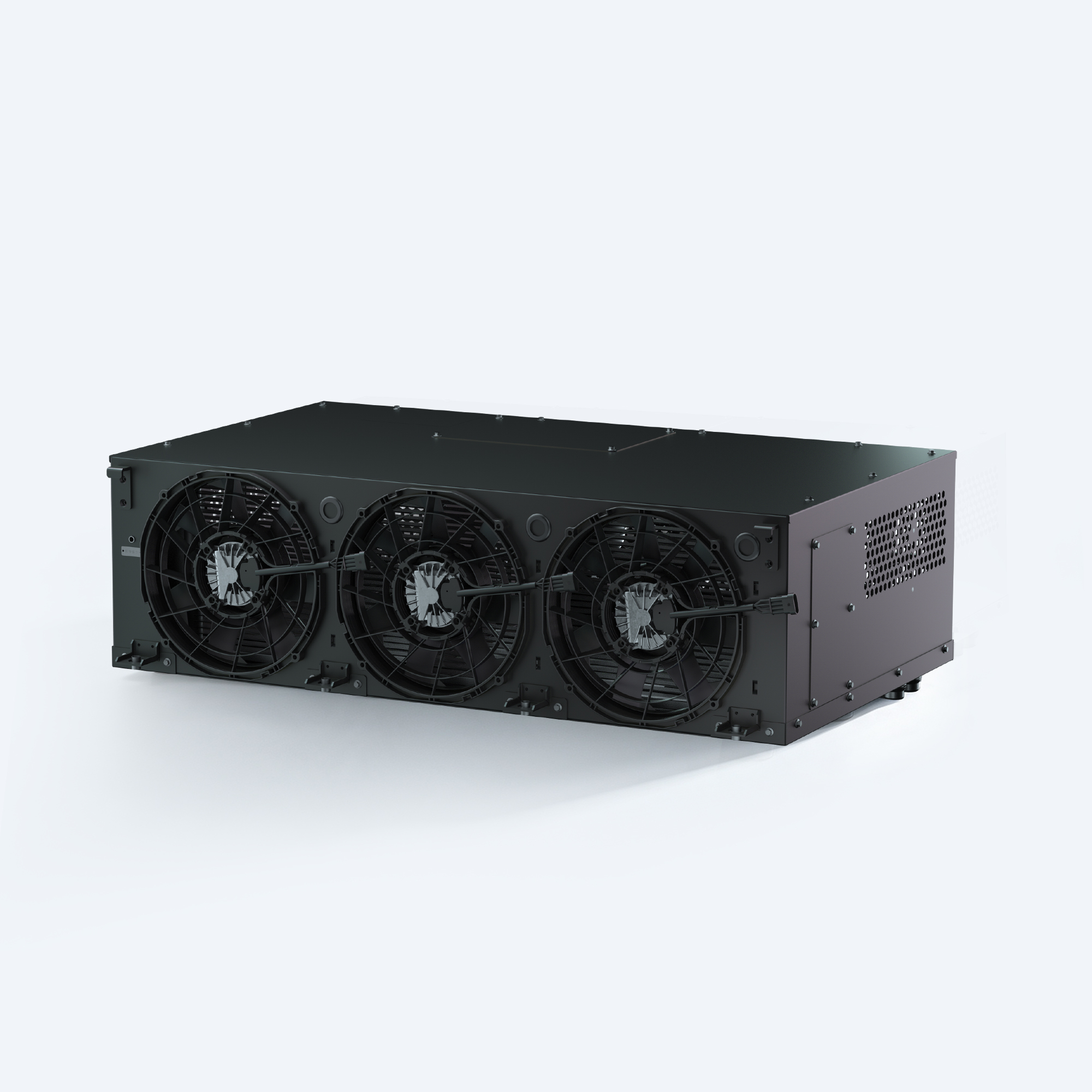
01 | Battery Thermal Management System
Heating and cooling architecture, duty, flow, packaging and control.
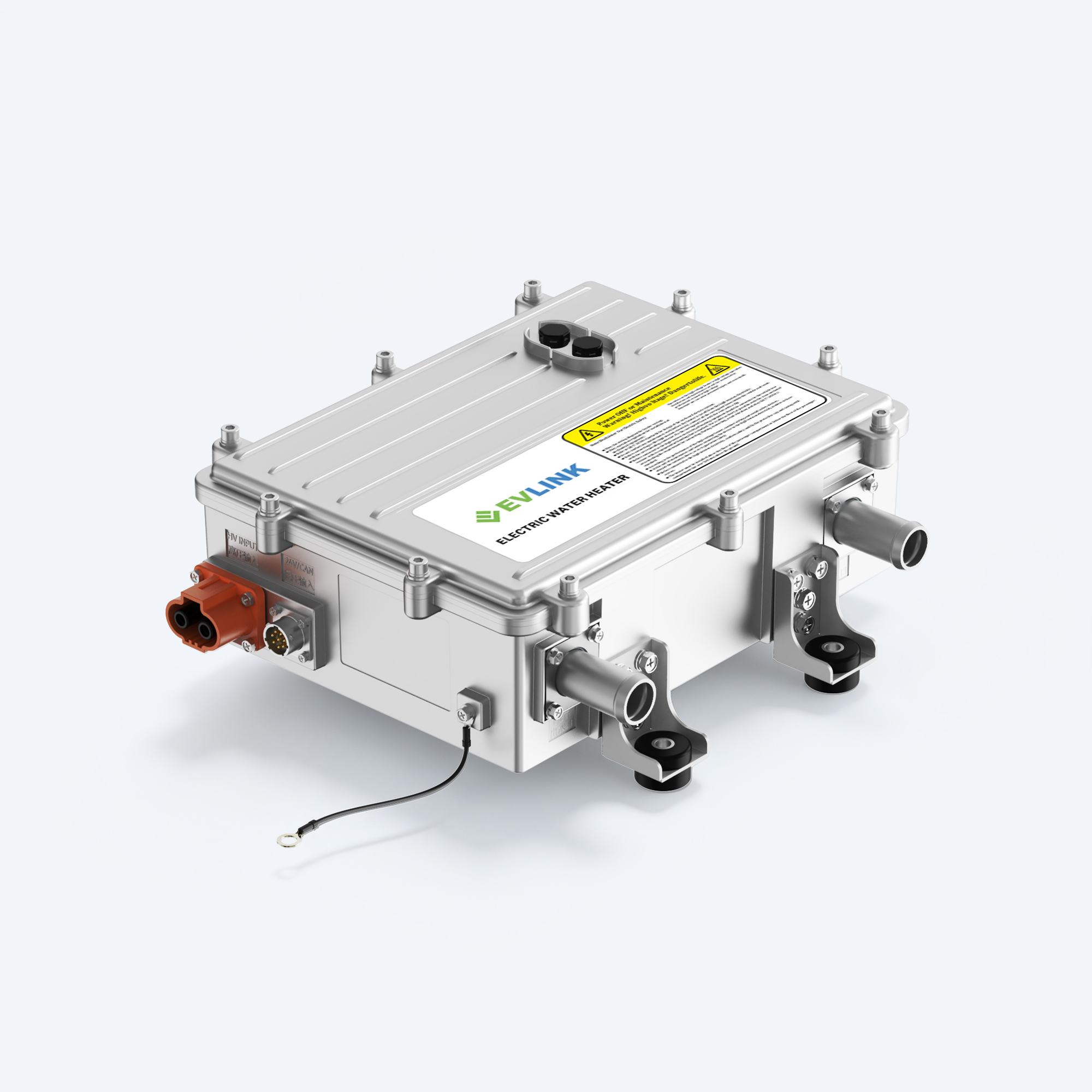
02 | High Voltage Coolant Heater
Voltage, power, coolant, safety, installation and CAN selection inputs.
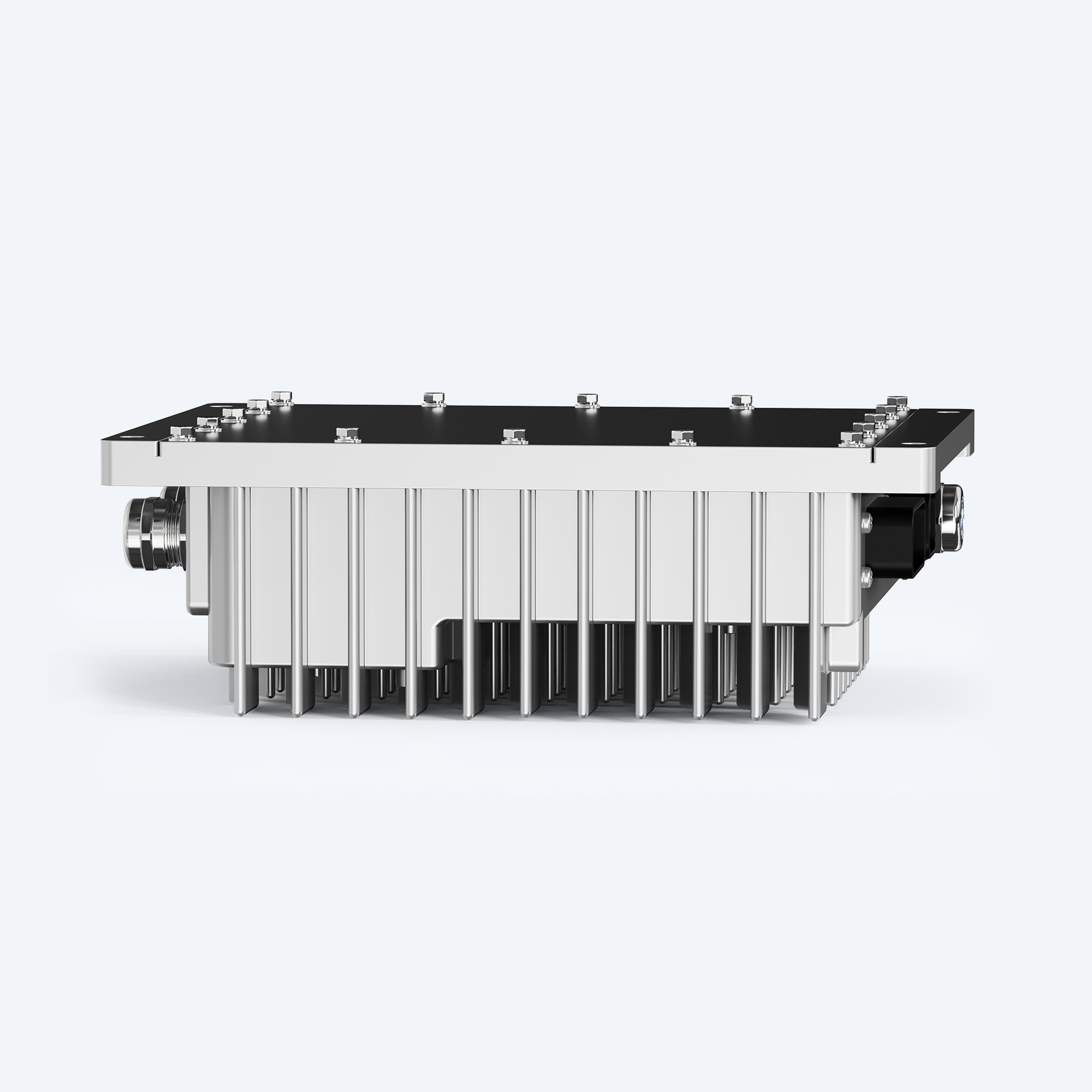
03 | Three-in-One Controller
Power interfaces, control ownership, modes, feedback, faults and diagnostics.
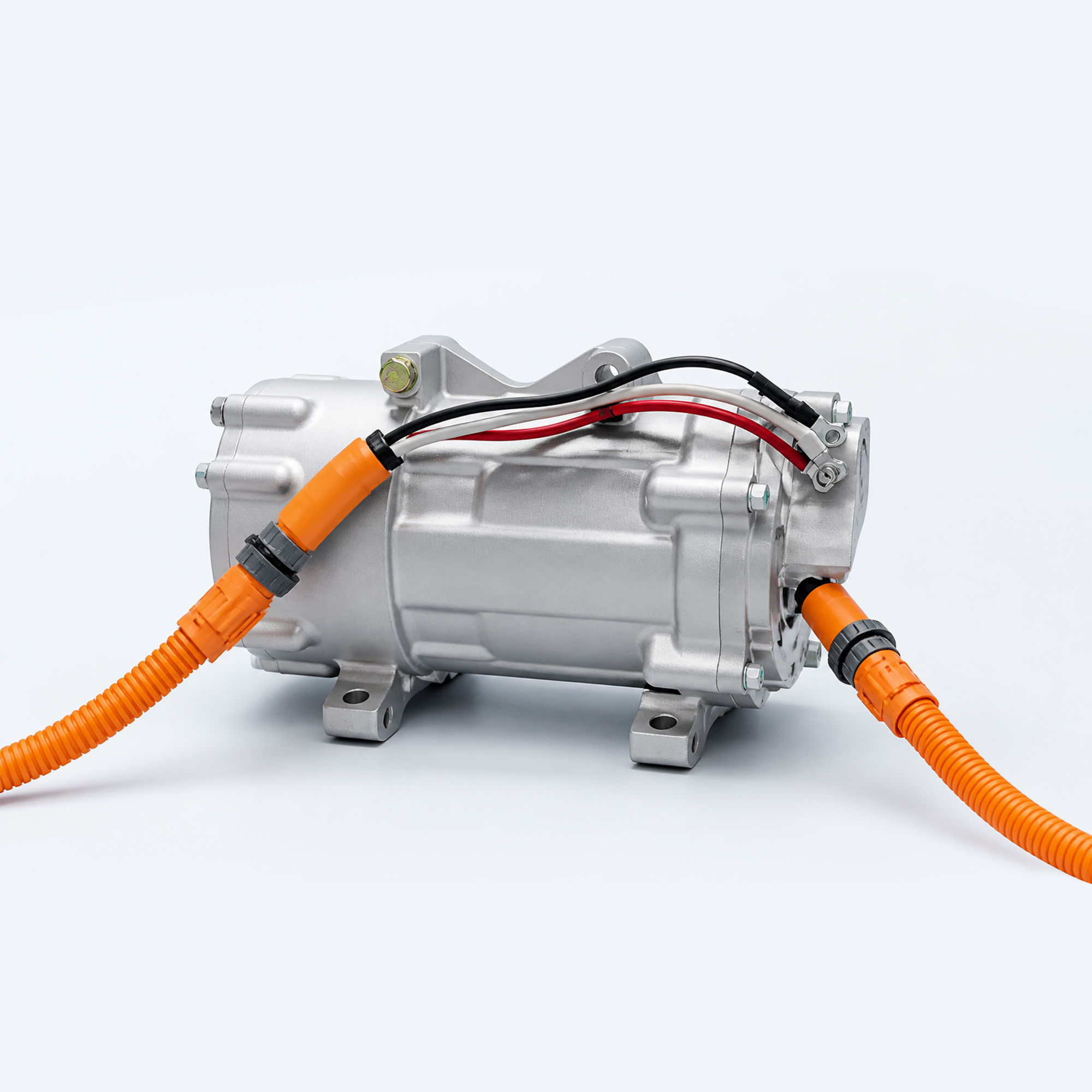
04 | Electric Compressor
Cooling demand, refrigerant circuit, operating envelope and integration.
ENGINEERING TOOLS
Turn Reading into Better Project Inputs
These future downloadable tools are higher-intent conversion assets than a generic newsletter. Publish only after engineering review.
01
EV Thermal Project Intake Checklist
Platform, duty cycle, thermal target, interfaces, environment, timing and demand.
02
HVCH Selection Worksheet
Voltage, power, coolant, flow, pressure, package, connectors, CAN and operating modes.
03
BTMS Requirements Checklist
Battery data, heat load, charging, cooling/heating target, loop and control boundaries.
04
CAN Interface Review Checklist
Commands, feedback, states, units, timing, timeout, faults and diagnostics.
05
Prototype Validation Checklist
Sample configuration, test conditions, channels, acceptance, deviations and retest.
06
Integration Review Checklist
Mechanical, coolant, refrigerant, HV/LV, communication, safety and service access.
EDITORIAL STANDARD
Technical Authority Comes from Useful Evidence, Not More Words
Every article should help an engineer or buyer make a better decision while protecting confidential and unverified information.
01
State the Decision
Explain what engineering decision the article supports and who should use it.
02
Define Conditions
Show voltage, temperature, flow, duty, environment and other assumptions behind conclusions.
03
Use Technical Visuals
Prefer diagrams, interface views, data plots and authentic product or test evidence.
04
Separate Fact from Guidance
Distinguish verified product facts, general engineering principles and project-specific assumptions.
05
Connect the Next Step
Link to the relevant product, application, engineering service and project-input checklist.
06
Review Before Publishing
Engineering and marketing should approve technical accuracy, confidentiality and evidence use.
FREQUENTLY ASKED QUESTIONS
EV Thermal Management Technical FAQ
What is EV thermal management?
EV thermal management coordinates heating and cooling for the battery, cabin, power electronics, motor and other temperature-sensitive systems so the vehicle can meet performance, charging, durability and comfort targets under defined conditions.
What information is needed to select an EV thermal component?
Typical inputs include the application, duty cycle, thermal load, voltage, power, temperature targets, coolant or refrigerant conditions, installation space, ports, connectors, CAN requirements, environment, validation criteria and timing.
How should a battery thermal management system be specified?
Start with battery data, operating and charging duty, ambient range, allowable battery temperature and uniformity, heating and cooling load, coolant loop, control ownership, package and validation requirements.
How is a high voltage coolant heater selected?
Selection should consider the HV/LV range, heating power, coolant, flow, inlet temperature, pressure, pressure drop, installation orientation, ports, connectors, CAN control, protection logic and target application.
Why does CAN communication matter in thermal management?
CAN connects component commands, feedback, states, limits, faults and diagnostics with the BMS, VCU or system controller. Signal definition and fallback behavior should be reviewed before integration.
What should a prototype validation plan include?
A useful plan links each requirement to a controlled sample configuration, test method, operating condition, measurement channel, acceptance criterion, result, issue and release decision.
ENGINEERING SUPPORT
Have a Technical Question for Your EV Thermal Project?
Share the platform, duty cycle, voltage, thermal targets, installation space, interfaces, CAN requirements and validation stage. EVLINK can help identify the next technical discussion required.