Book Appointment Now

ABOUT EVLINK
EV Thermal Management Engineering & Manufacturing
EVLINK develops thermal management products and engineering solutions for commercial electric vehicles, off-highway equipment and other application-specific thermal systems.
Our work connects battery thermal management, high-voltage coolant heating, electric compression and integrated control with the mechanical, electrical, fluid, communication and validation requirements of the customer platform.
0
+
Products in Service
Proven performance across real-world EV and commercial vehicle applications.
0
+
R&D Team
Strong engineering capability supporting customization, system integration, and project development.
0
+
Countries Served
Supporting OEM and engineering customers across global markets.
WHO WE ARE
A Specialized EV Thermal Management Company
EVLINK supports OEMs, vehicle developers, system integrators and technical procurement teams evaluating thermal products and application-specific solutions.
01
Focused on Thermal Management
EVLINK concentrates on products and engineering decisions that control heating, cooling and thermal-system operation.
02
Built for Technical Buyers
Information is organized around application duty, specifications, interfaces, validation and production-readiness questions.
03
Project-Oriented Support
The goal is to connect a suitable product configuration with the customer platform and a clearly defined engineering scope.
CUSTOMER CHALLENGES
The Engineering Problems We Help Structure
Final solutions depend on the selected product, customer requirements and confirmed operating conditions.
01
Battery Temperature Control
Coordinate cooling, heating, flow and control requirements around the battery and operating duty.
02
Cold-Climate Operation
Support battery, coolant and cabin heating decisions across voltage, power and temperature conditions.
03
Cooling-System Integration
Connect compressors, heat exchangers, fluid or refrigerant circuits, controls and vehicle interfaces.
04
Restricted Packaging
Review envelope, mounting, orientation, ports, connectors, routing, airflow and service access.
05
CAN & Control Coordination
Define commands, feedback, operating states, limits, faults, diagnostics and responsibility boundaries.
06
Prototype-to-Production Risk
Link requirements to prototypes, validation evidence, configuration control and release decisions.
Explore EVLINK in 360°
PRODUCT PORTFOLIO
Core Products for EV Thermal Management
Use product pages for confirmed model-level information and contact EVLINK when selection depends on project-specific operating conditions.
01
Battery Thermal Management System
Battery cooling and heating architecture, thermal load, fluid interfaces, packaging and control.
02
High Voltage Coolant Heater
High-voltage coolant heating for battery, cabin and application-specific thermal circuits.
03
Three-in-One Controller
Integrated control for electric compression, refrigeration-system coordination and high-voltage PTC heating.
04
Electric Compressor
Electric compression and cooling-circuit integration for commercial vehicle and equipment platforms.
ENGINEERING CAPABILITIES
Support Across the Product Development Cycle
The exact scope, deliverables and responsibilities should be agreed for each project.
01
Requirements & Feasibility
Organize application, duty, thermal, voltage, environment, interface, validation and timing inputs.
02
Thermal & System Design
Review loads, operating modes, architecture, system boundaries and candidate product configurations.
03
Mechanical & Fluid Integration
Coordinate envelope, mounting, service access, coolant or refrigerant interfaces, flow and pressure.
04
Electrical & CAN Integration
Review HV/LV connections, interlock, commands, feedback, states, faults and diagnostic ownership.
05
Prototype & Validation
Connect requirements with sample configuration, test conditions, measurements and acceptance criteria.
06
Production Release Support
Control drawings, documents, changes, issue closure and the approved delivery configuration.
HOW WE WORK
A Structured Path from Requirement to Release
A staged workflow keeps technical assumptions, open issues and release decisions visible.
01
Project Intake
Collect platform, technical, commercial and timing information.
02
Architecture & Selection
Compare requirements with product platforms and define the proposed route.
03
Interface Definition
Align mechanical, fluid, electrical, connector, software and responsibility boundaries.
04
Prototype Integration
Prepare samples, installation information, commissioning and issue tracking.
05
Validation & Optimization
Review test conditions, data, acceptance criteria and necessary changes.
06
Release & Delivery
Freeze the approved configuration and supporting production documentation.
APPLICATION EXPERIENCE
Engineering Decisions Change by Platform
Application pages explain operating challenges, recommended inputs and integration considerations without assuming one product fits every duty.
06
Data Center Liquid Cooling
Flow, redundancy, monitoring and maintainability as a separate pathway.
PROOF, NOT CLAIMS
Use Authentic Evidence to Build International Buyer Trust
The About page should show what EVLINK can prove. Avoid unsupported scale, customer, certification, performance or market statements.
01
Company & Facility
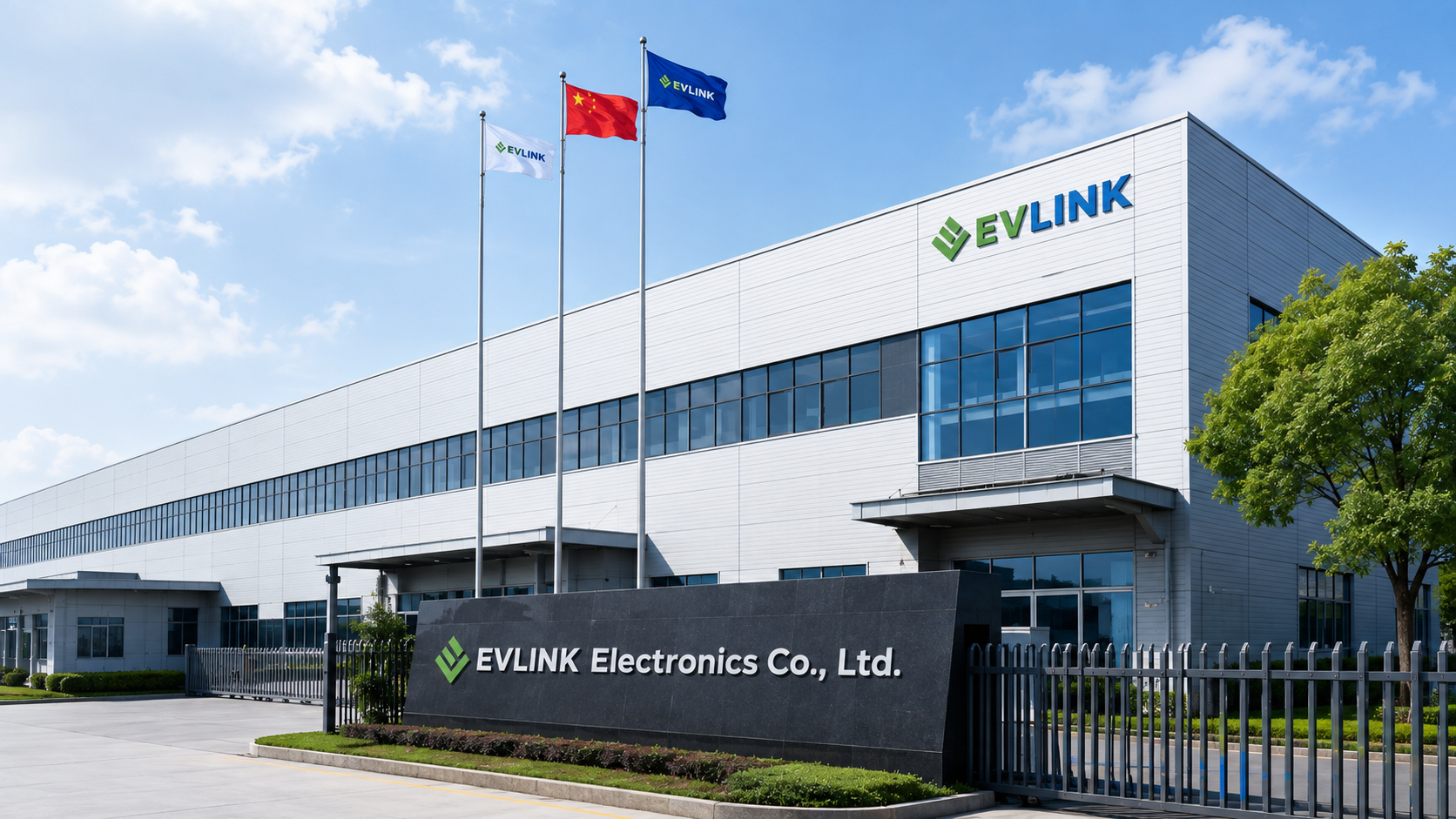
Exterior, reception, facility overview and legally correct company identity.
Replace this card with an approved, authentic EVLINK image and factual caption.
02
Engineering Team
Real engineers reviewing drawings, systems, software or test data.
Replace this card with an approved, authentic EVLINK image and factual caption.
03
Production Process
Approved process steps, equipment, traceability and in-process controls.
Replace this card with an approved, authentic EVLINK image and factual caption.
04
Testing & Validation
Real equipment, product configuration, test conditions and factual captions.
Replace this card with an approved, authentic EVLINK image and factual caption.
05
Quality Management
Inspection, records, change control and certificate scope where verified.
Replace this card with an approved, authentic EVLINK image and factual caption.
06
Product Portfolio
Current EVLINK products with correct models, labels and image permissions.
Replace this card with an approved, authentic EVLINK image and factual caption.
QUALITY & RESPONSIBILITY
Engineering Information Must Be Traceable
Product performance and suitability depend on the selected configuration, operating conditions, installation and control strategy. Technical decisions should be tied to released documentation and agreed project requirements.
- Model-level specifications and controlled revisions
- Defined mechanical, fluid, electrical and CAN interfaces
- Prototype configuration and test-condition traceability
- Visible assumptions, open items and responsibility boundaries
- Approved change and production-release information
- Evidence and publication permission for public claims
ABOUT EVLINK FAQ
Questions from International Buyers and Engineers
01
What does EVLINK specialize in?
EVLINK focuses on EV thermal management products and application-specific engineering involving battery thermal management, high-voltage coolant heating, electric compression and integrated control.
02
Which customers does EVLINK support?
The site is structured for OEMs, vehicle and equipment developers, system integrators, engineering teams and technical procurement organizations. Final fit depends on the project.
03
Can EVLINK support product customization?
Configuration and project-specific changes can be reviewed through the engineering process. Feasibility, scope, validation and commercial conditions must be confirmed.
04
Can EVLINK support CAN communication?
CAN requirements can be reviewed for the selected product and project, including commands, feedback, operating states, limits, faults and diagnostics.
05
What information is needed to begin?
Provide the application, duty cycle, voltage, thermal targets, installation space, fluid or refrigerant conditions, connectors, communication requirements, environment, validation stage and timing.
06
Where can I find technical proof?
Use the product pages, Technical Insights, approved case studies and project-specific technical documents. Public claims should remain traceable to approved evidence.
LINK EV TO US.
Looking for an EV Thermal Management Partner?
Share the platform, operating duty, voltage, thermal targets, packaging, fluid or refrigerant conditions, CAN requirements, validation stage and timing.