Book Appointment Now
ENGINEERING | CUSTOM DEVELOPMENT
Custom EV Thermal Management Product Development
Engineering support for application-specific battery thermal management systems, high-voltage coolant heaters, electric compressors and thermal controllers.
EVLINK helps OEM and system-integration teams translate platform requirements into a controlled development scope covering thermal performance, packaging, coolant interfaces, HV/LV connections, CAN communication, prototypes, validation and production release.
Application-Specific
Designed around actual duty
Interface-Controlled
Mechanical, HV/LV and CAN
Validation-Gated
Evidence before release
WHEN CUSTOM DEVELOPMENT IS NEEDED
Standard Products Do Not Fit Every Vehicle Platform
Customization should solve a documented technical constraint, not simply create a different part number.
01
Voltage or Power Mismatch
Existing ratings do not match the platform voltage, thermal load, flow or operating window.
02
Restricted Installation Space
Envelope, mounting, orientation or service access cannot accept a standard configuration.
03
Unique Coolant Interfaces
Ports, fluid, flow direction, pressure limits or hose routing require adaptation.
04
Electrical Interface Changes
HV/LV connectors, wiring, interlock or protection boundaries differ from the base design.
05
CAN and Control Requirements
Commands, feedback, states, faults or communication timing must align with the vehicle.
06
Application-Specific Validation
Environment, vibration, duty cycle or approval criteria require a defined test plan.
CHOOSE THE RIGHT DEVELOPMENT ROUTE
Not Every Custom Request Requires a New Product
The first engineering decision is to identify the lowest-risk route that satisfies the platform requirement.
01
CONFIGURATION
Select an existing platform
and adapt rated options
Lowest development risk
02
INTERFACE ADAPTATION
Modify package, ports, connectors
or communication interfaces
Controlled engineering change
03
PLATFORM-SPECIFIC
Develop around unique thermal,
mechanical or control requirements
Requires feasibility and validation
01
Configurable Product
Start from an existing product platform and select available voltage, power, control or interface options.
- Fastest technical assessment
- Lower change and validation risk
- Preferred when requirements already fit
02
Interface Adaptation
Modify selected mechanical, coolant, electrical or communication interfaces around a proven product basis.
- Defined change boundary
- Focused drawing and test updates
- Suitable for packaging and connector differences
03
Platform-Specific Development
Create a broader product or system variant when the thermal, structural or control requirement cannot be met otherwise.
- Feasibility review required
- Formal milestones and validation
- Commercial scope depends on complexity
CUSTOMIZATION SCOPE
Eight Engineering Areas That May Be Customized
The agreed project scope should state exactly what changes, what remains standard and what must be revalidated.
01
Thermal Performance
Heating and cooling capacity, targets and operating windows.
- Rated and transient load
- Coolant inlet/outlet targets
- Derating and protection limits
02
Voltage & Power
Electrical platform compatibility and operating boundaries.
- HV and LV ranges
- Power or current limits
- Interlock and protection inputs
03
Mechanical Package
Envelope, mounting, orientation, vibration and access.
- 2D / 3D review
- Bracket and mounting points
- Service and assembly access
04
Fluid Interfaces
Coolant, ports, flow, pressure, routing and leak control.
- Port type and direction
- Fluid compatibility
- Flow and pressure conditions
05
Connectors & Wiring
Project-specific HV/LV connector and harness information.
- Connector assignment
- Pin and signal definition
- Cable routing boundary
06
CAN & Diagnostics
Operating commands, feedback, states, faults and communication.
- CAN matrix review
- Control responsibility
- Fault and fallback behavior
07
Environment
Application-specific temperature, vibration, dust and ingress inputs.
- Ambient and altitude
- Shock and vibration
- Dust, debris or washdown
08
Validation & Release
Tests and records tied to approved requirements and changes.
- DVP or test matrix
- Acceptance criteria
- Configuration release
DEVELOPMENT WORKFLOW
A Gated Custom Product Development Process
Each stage closes specific risks before new cost, tooling or validation work begins.
01
Project Intake
Collect application, platform, performance, interface, validation and timing data.
02
Feasibility Review
Compare requirements with existing platforms and identify technical or commercial gaps.
03
Requirement Agreement
Confirm targets, assumptions, exclusions, ownership and acceptance criteria.
04
Concept & Selection
Choose the development route, preliminary design and candidate configuration.
05
Detailed Engineering
Complete mechanical, coolant, electrical, control and documentation work.
06
Design Review
Review interfaces, risks, drawings, software scope and validation readiness.
07
Prototype & Integration
Build samples and support installation, commissioning and issue closure.
08
Validation & Optimization
Test against agreed conditions, analyze results and control design changes.
09
Release & Production Transfer
Freeze the approved configuration and release production documentation.
REVIEW GATES
Control Technical Risk Before the Next Investment
A gate is a decision point, not a meeting. Unresolved items remain visible with owners and due dates.
Review Gate
Decision
Minimum Review Inputs
Typical Output
Requirement Freeze
Is the target complete enough to design?
Performance, environment, interfaces, standards, timing and responsibility
Approved requirement and open-item list
Design Release
Is the design ready to prototype?
Drawings, interfaces, materials, control scope, risks and test plan
Prototype configuration and review record
Prototype Release
Is the sample ready for customer integration?
Build status, inspection, software, connector and installation information
Sample and integration package
Production Release
Is evidence sufficient to freeze the configuration?
Validation results, issue closure, approved changes and quality documentation
Released product and delivery documentation
PROJECT INTAKE
Information Required to Evaluate a Custom Development Project
Complete input data allows EVLINK to determine whether configuration, interface adaptation or new development is the appropriate route.
Missing or changing inputs should be recorded as assumptions until they are confirmed.
- Vehicle or equipment type and target market
- Battery, thermal load and operating duty cycle
- HV/LV ranges and available electrical power
- Heating or cooling capacity and temperature targets
- Coolant, refrigerant, flow and pressure conditions
- Installation envelope, orientation and mounting points
- Port, connector, pin and harness requirements
- VCU / BMS / CAN protocol and control ownership
- Ambient, altitude, dust, vibration and ingress conditions
- Applicable customer specifications and test standards
- Prototype quantity, timing and project milestones
- Forecast demand, release status and change-control contact
ENGINEERING DELIVERABLES
What Your Team Can Receive
The exact document set depends on the agreed development scope and project phase.
01
Requirement & Feasibility Summary
Confirmed inputs, assumptions, gaps, proposed route and preliminary risks.
02
Technical Solution Proposal
Concept, candidate configuration, scope boundary and engineering basis.
03
Product Selection & Sizing
Model or variant recommendation tied to the agreed operating conditions.
04
2D / 3D Product Drawings
Geometry and installation information for packaging review.
05
Interface Definition
Mechanical, coolant, electrical, connector and responsibility information.
06
CAN Communication Document
Commands, feedback, states, limits, faults and diagnostic information.
07
Prototype Samples
Defined prototype configuration with build and integration information.
08
Validation Evidence
Test conditions, measurements, results, issues and acceptance status.
09
Release Documentation
Approved configuration, change status and production delivery information.
CUSTOMIZABLE PRODUCT FAMILIES
Start with the Closest Proven Product Platform
Selection and customization must follow the full requirement and feasibility review.
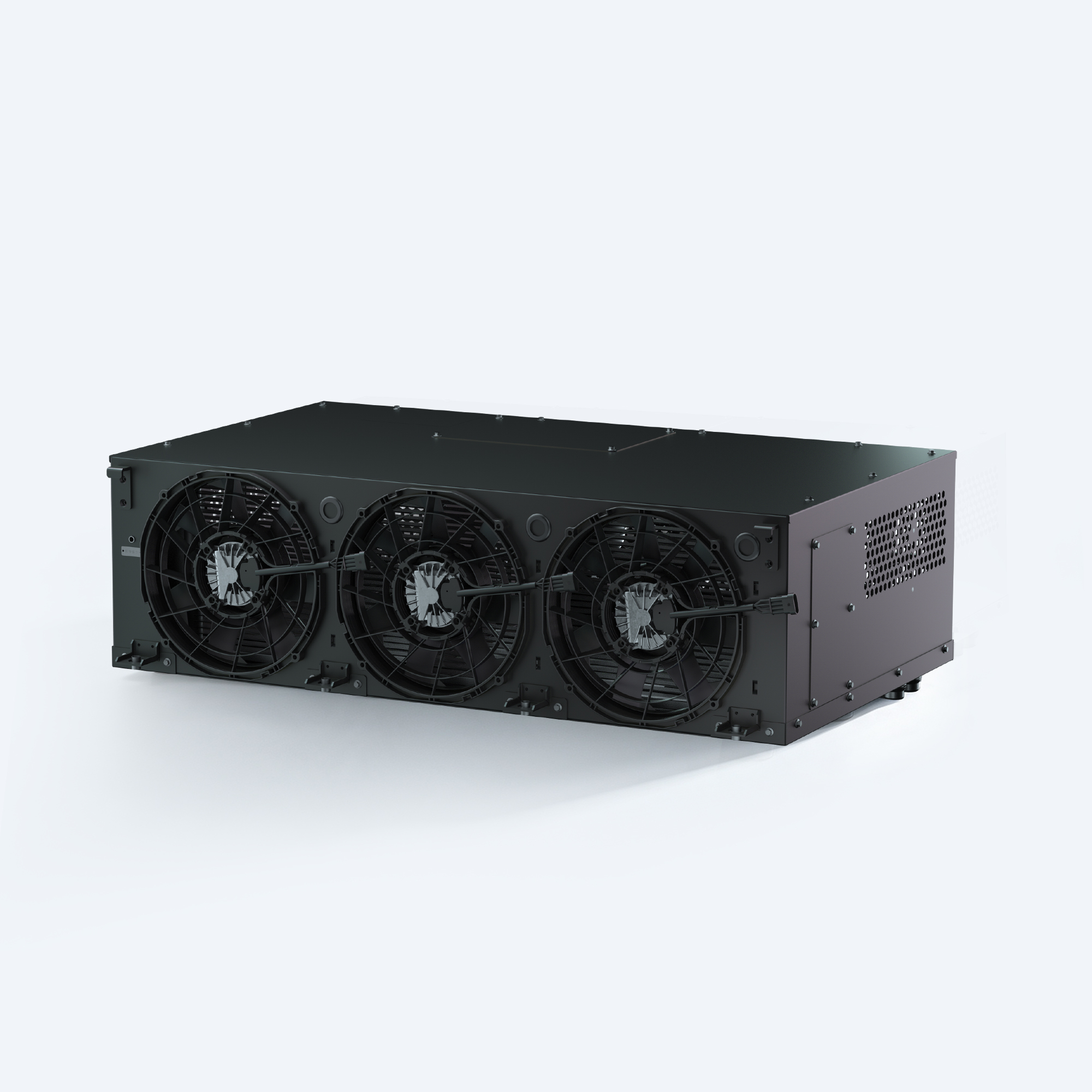
01 | Battery Thermal Management System
Application-specific battery cooling and heating configuration.
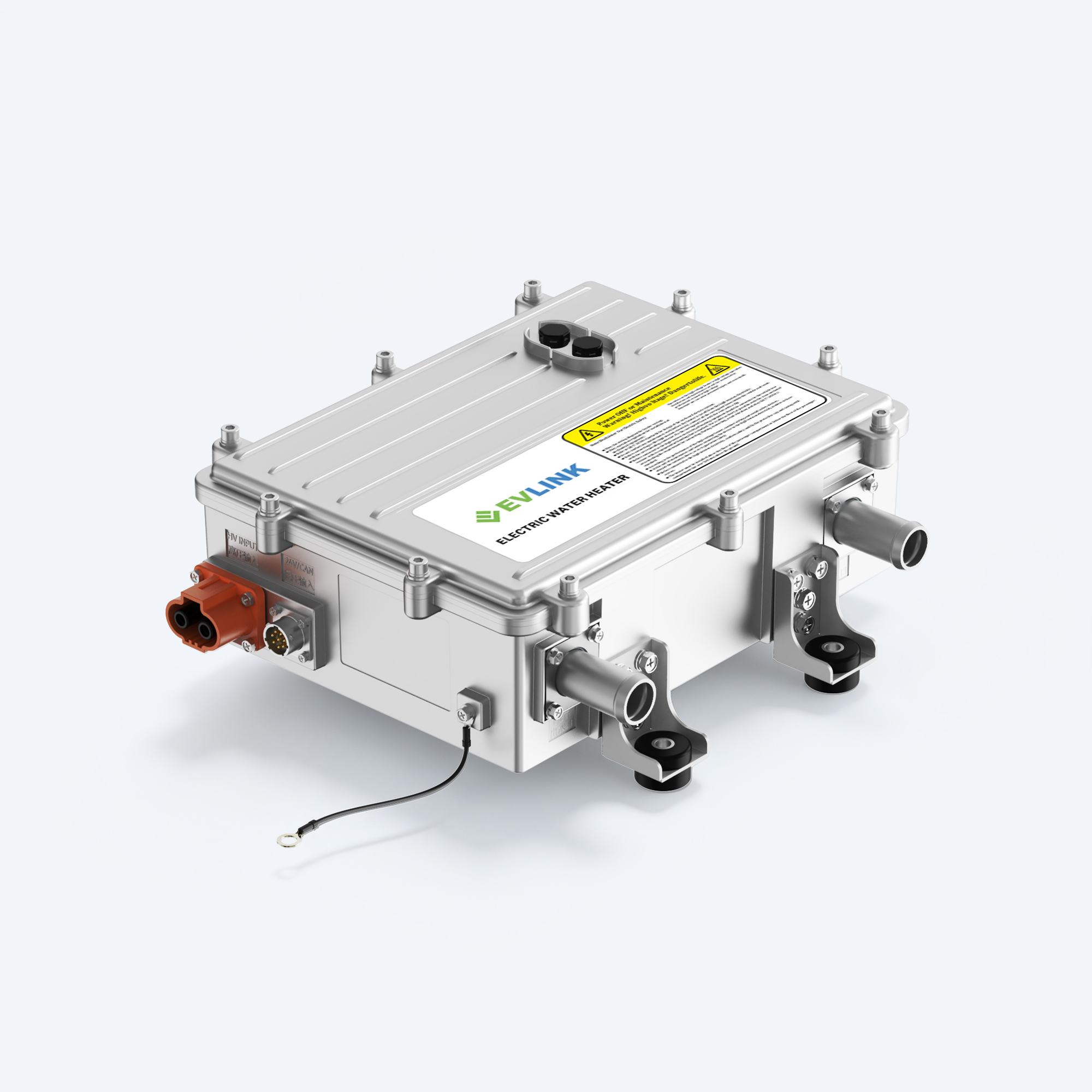
02 | High Voltage Coolant Heater
Voltage, power, coolant interface and CAN-aligned heating options.
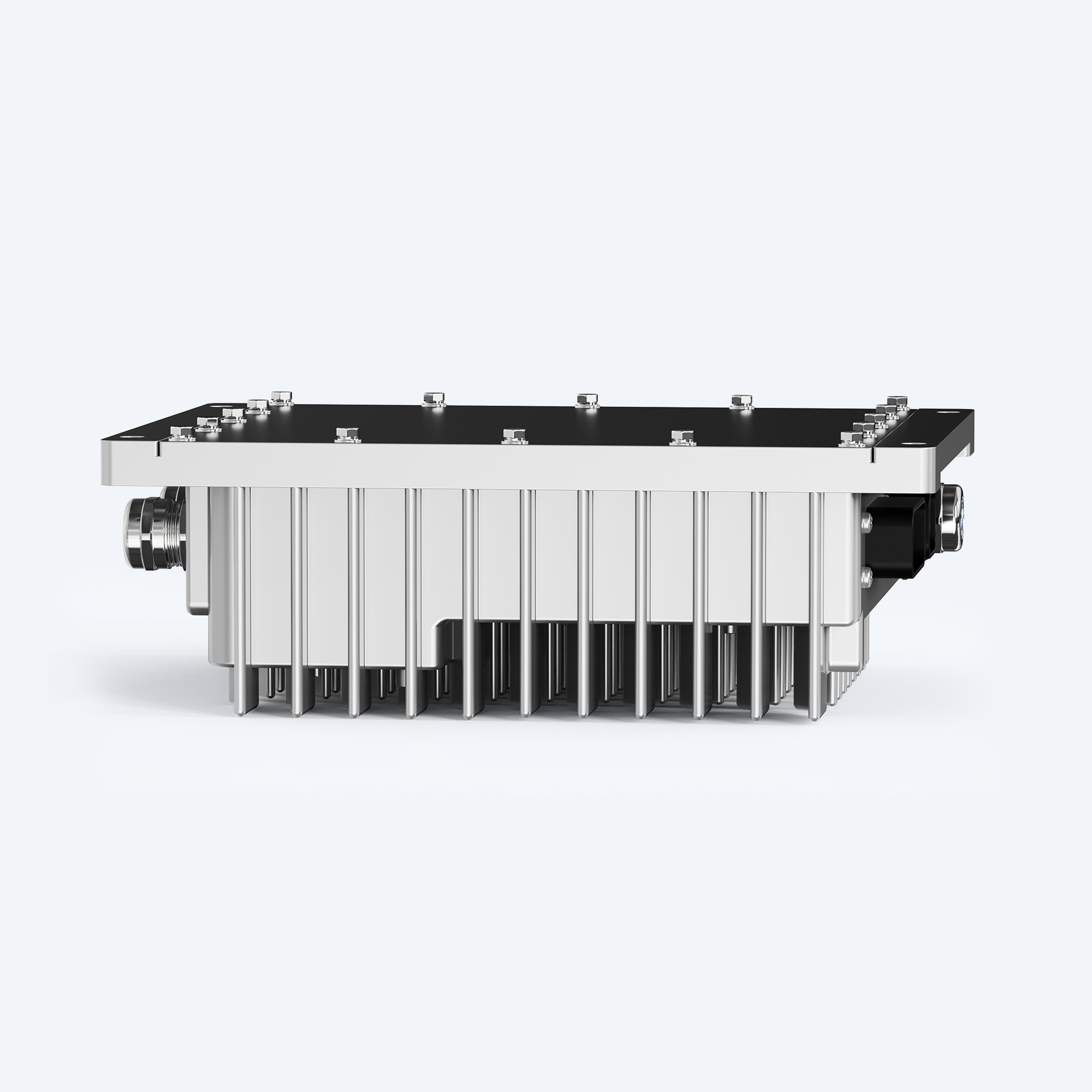
03 | Three-in-One Controller
Integrated power, operating-mode and communication control.
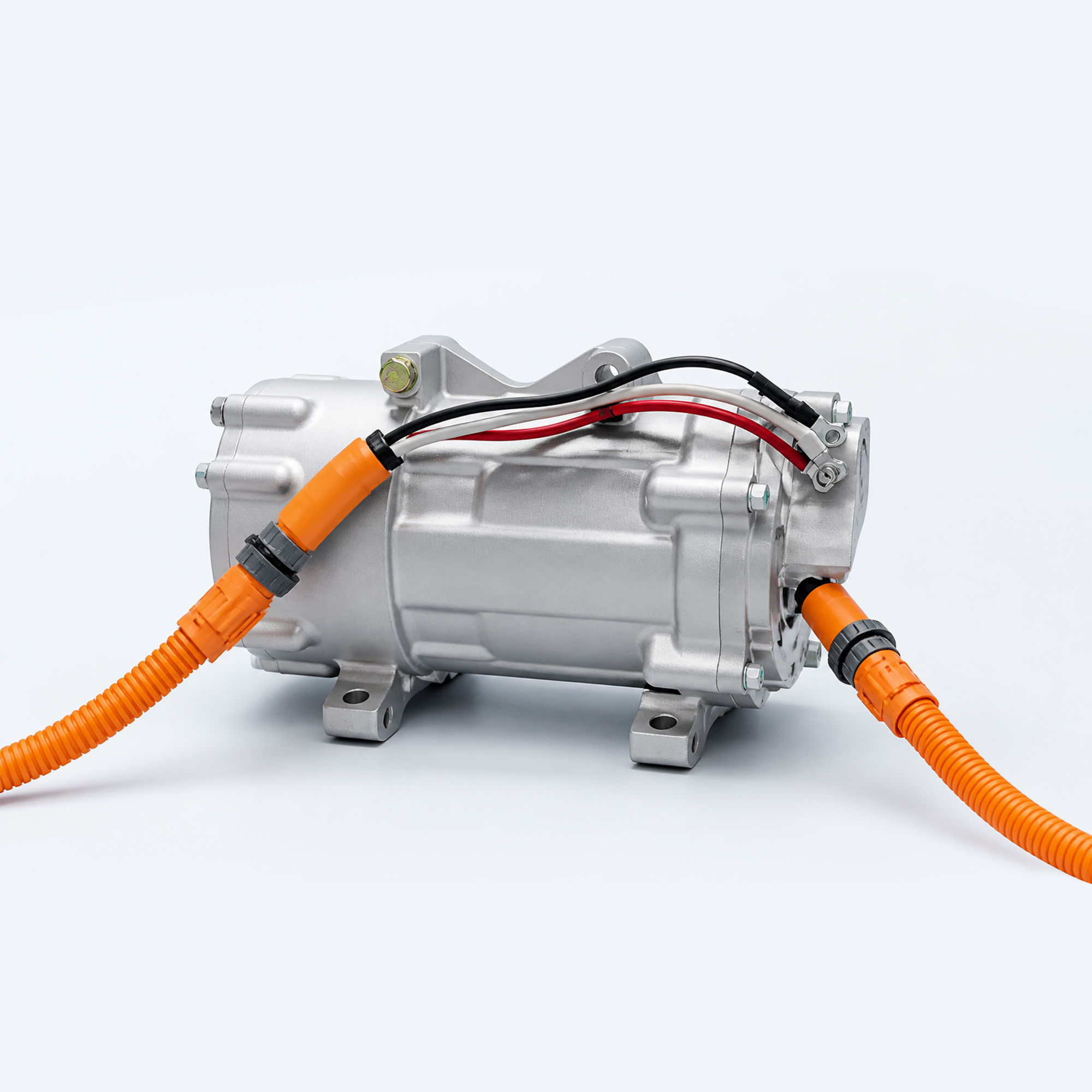
04 | Electric Compressor
Cooling-circuit compression support for project-specific requirements.
APPLICATION-SPECIFIC DEVELOPMENT
Customization Begins with the Real Operating Environment
The same product family may require different interfaces, controls and validation by application.
01
Electric Bus
Route cycles, charging windows, passenger thermal loads and fleet uptime.
02
Electric Truck
Payload, grade, depot operation, charging and packaging constraints.
03
Electric Mining Truck
Haul cycles, harsh environment, regeneration and serviceability.
04
Construction Machinery
Hydraulic work, variable loads, restricted airflow and vibration.
05
Agricultural Machinery
PTO loads, debris, seasonality, storage and field maintenance.
06
Data Center Liquid Cooling
A separate engineering pathway for flow, redundancy and monitoring.
DEVELOPMENT PROOF
Support Custom Capability with Reviewable Evidence
The ZIP includes relevant engineering, validation and quality images. Replace placeholders only with authentic, approved evidence.
01
Requirement & Design Review
Show an authentic approved drawing, requirement matrix or engineering review image.
02
Prototype & CAN Integration
Use permission-cleared project material with an accurate scope and caption.
03
Validation & Production Release
Publish model-specific test or production evidence only after internal approval.
FREQUENTLY ASKED QUESTIONS
Custom EV Thermal Management Development FAQ
What can EVLINK customize for an EV thermal management project?
Depending on feasibility, the scope may include voltage and power, thermal performance, packaging, mounting, coolant ports, HV/LV connectors, CAN communication, operating modes, protection logic, documentation and validation.
Does every custom request require a completely new product?
No. The preferred route is to use a configurable product platform when possible, then consider interface adaptation or platform-specific development only when the technical requirement cannot otherwise be met.
Which products can be developed for project-specific requirements?
Projects may involve battery thermal management systems, high-voltage coolant heaters, electric compressors or integrated thermal controllers, subject to the agreed scope and feasibility review.
What information is needed for a feasibility review?
Provide the application, battery and duty cycle, thermal targets, voltage, power, coolant or refrigerant conditions, installation space, ports, connectors, CAN requirements, environment, standards, timing and expected demand.
Can EVLINK support custom CAN communication?
CAN commands, feedback, states, limits, faults and diagnostics can be reviewed for the selected product and project. The exact software scope must be agreed before development.
How are custom samples validated?
The validation plan should trace agreed requirements to test conditions, measurements and acceptance criteria. The final tests depend on the product, change scope, application and customer requirements.
How long does custom product development take?
Timing depends on requirement completeness, the chosen development route, component availability, tooling, prototype quantity, software work and validation scope. A schedule should be confirmed after feasibility review.
What is required before mass production release?
The approved configuration, drawings, interfaces, software status, validation results, issue closure, quality documents and change-control responsibilities should be confirmed before production release.
START A FEASIBILITY REVIEW
Have a Thermal Requirement That Standard Products Cannot Meet?
Share the platform, duty cycle, thermal targets, voltage, installation space, interfaces, CAN requirements, validation criteria and timing. EVLINK will review the most appropriate development route.