Book Appointment Now


APPLICATIONS | MOBILITY & INFRASTRUCTURE
Thermal Management Solutions for Electric Vehicles & Data Centers
EVLINK electric vehicle thermal management solutions combine application-specific battery cooling, high-voltage coolant heating, electric compression and intelligent control for commercial EVs, off-highway machinery and agricultural equipment, with a separate engineering pathway for data center liquid cooling.
Choose your platform below, then review the operating challenges, recommended EVLINK scope, engineering inputs and validation considerations for that application.
6
Application pathways
4
Core product families
1
Engineering workflow
CHOOSE BY PLATFORM
Explore EVLINK Thermal Management Applications
Start with the vehicle, machine or infrastructure platform. Each page is written around buyer requirements, operating conditions, system architecture and project inputs.
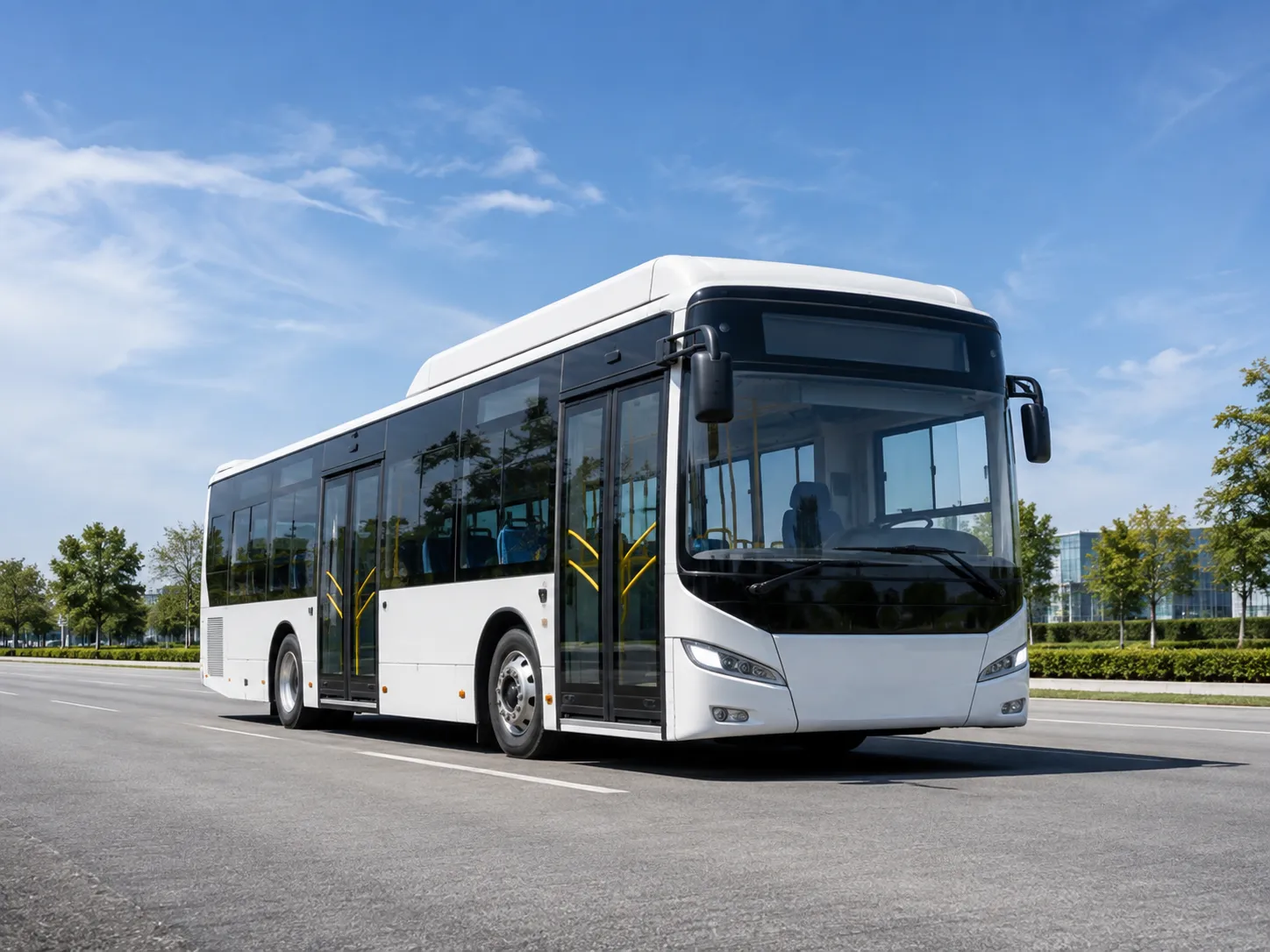
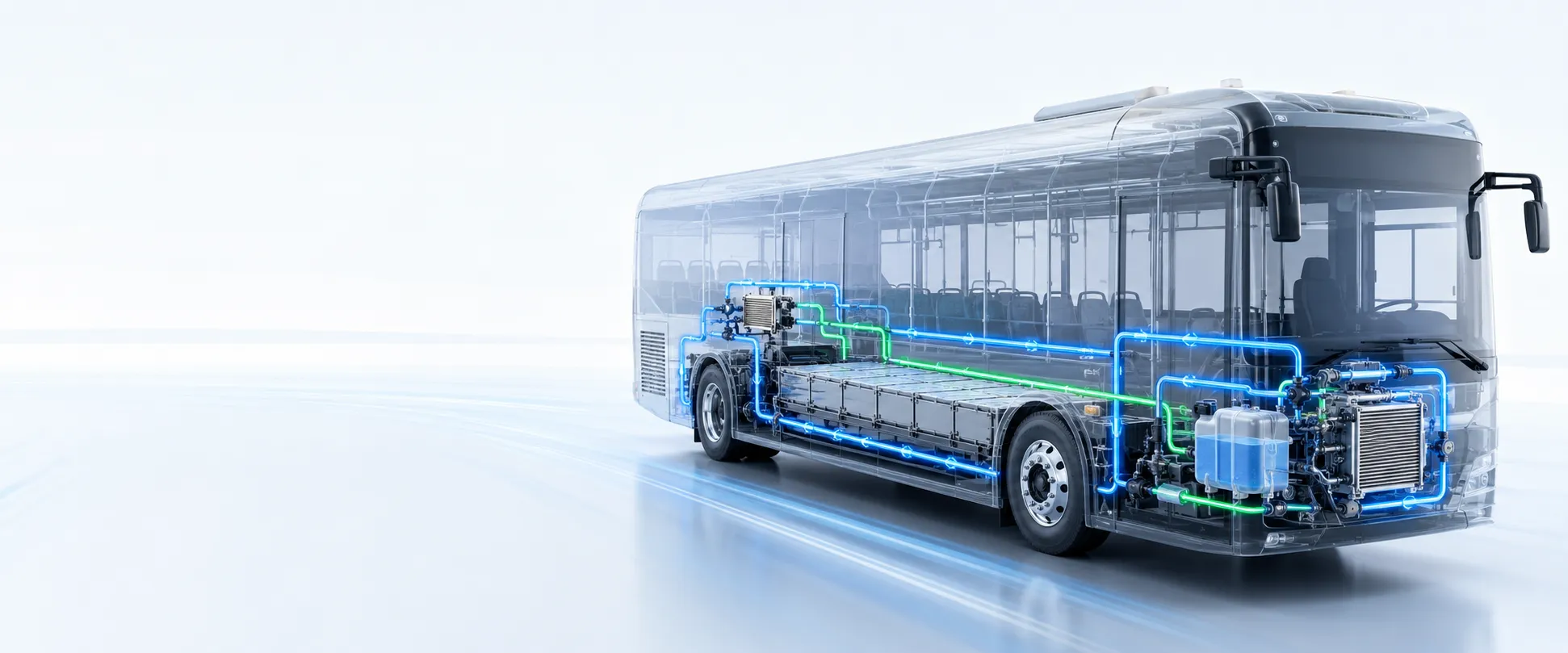
URBAN & INTERCITY MOBILITY
Electric Bus
Thermal solutions for route reliability, passenger comfort, overnight or opportunity charging and cold-weather operation.
Route uptime · Cabin + battery · CAN integration
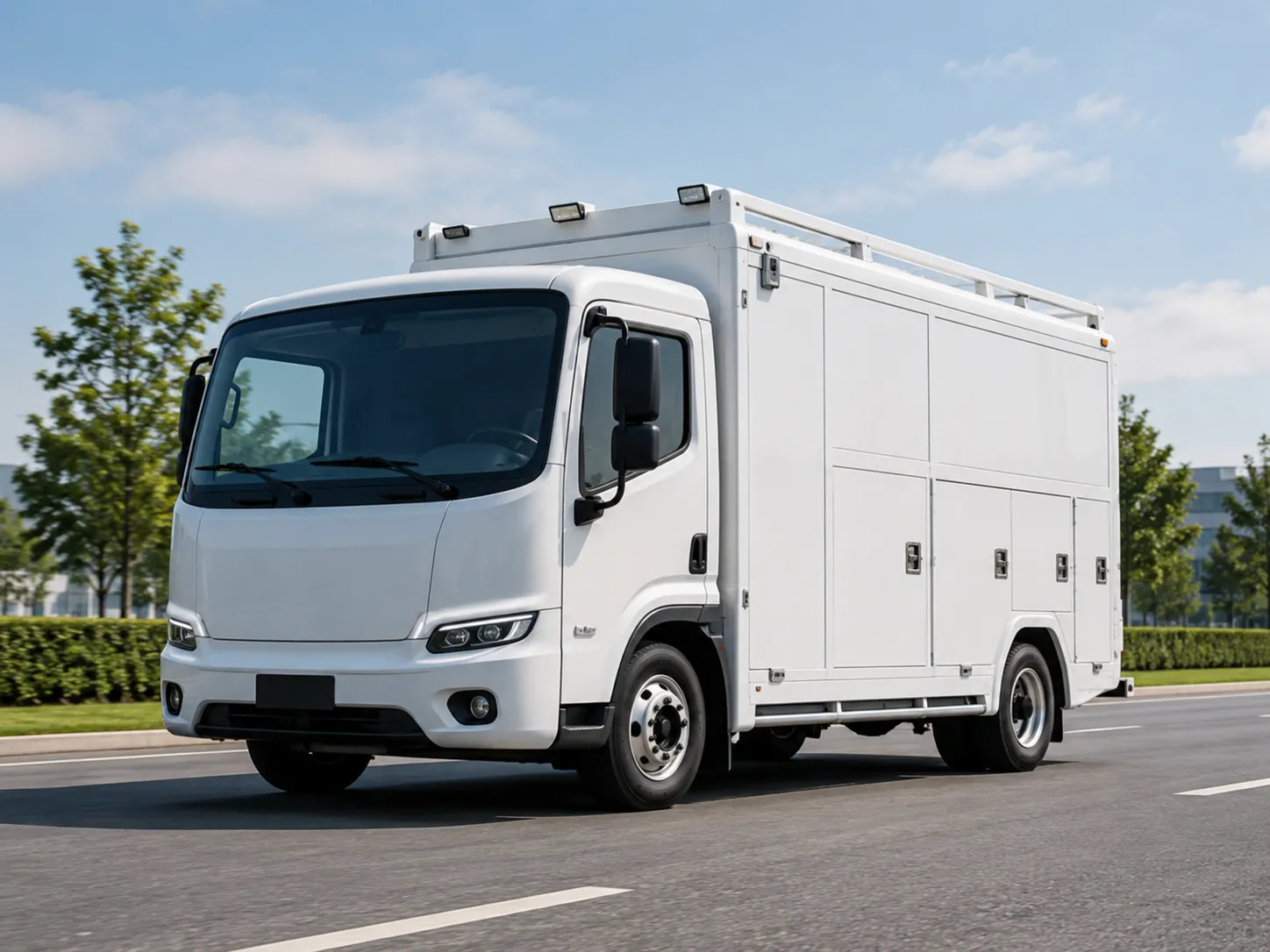
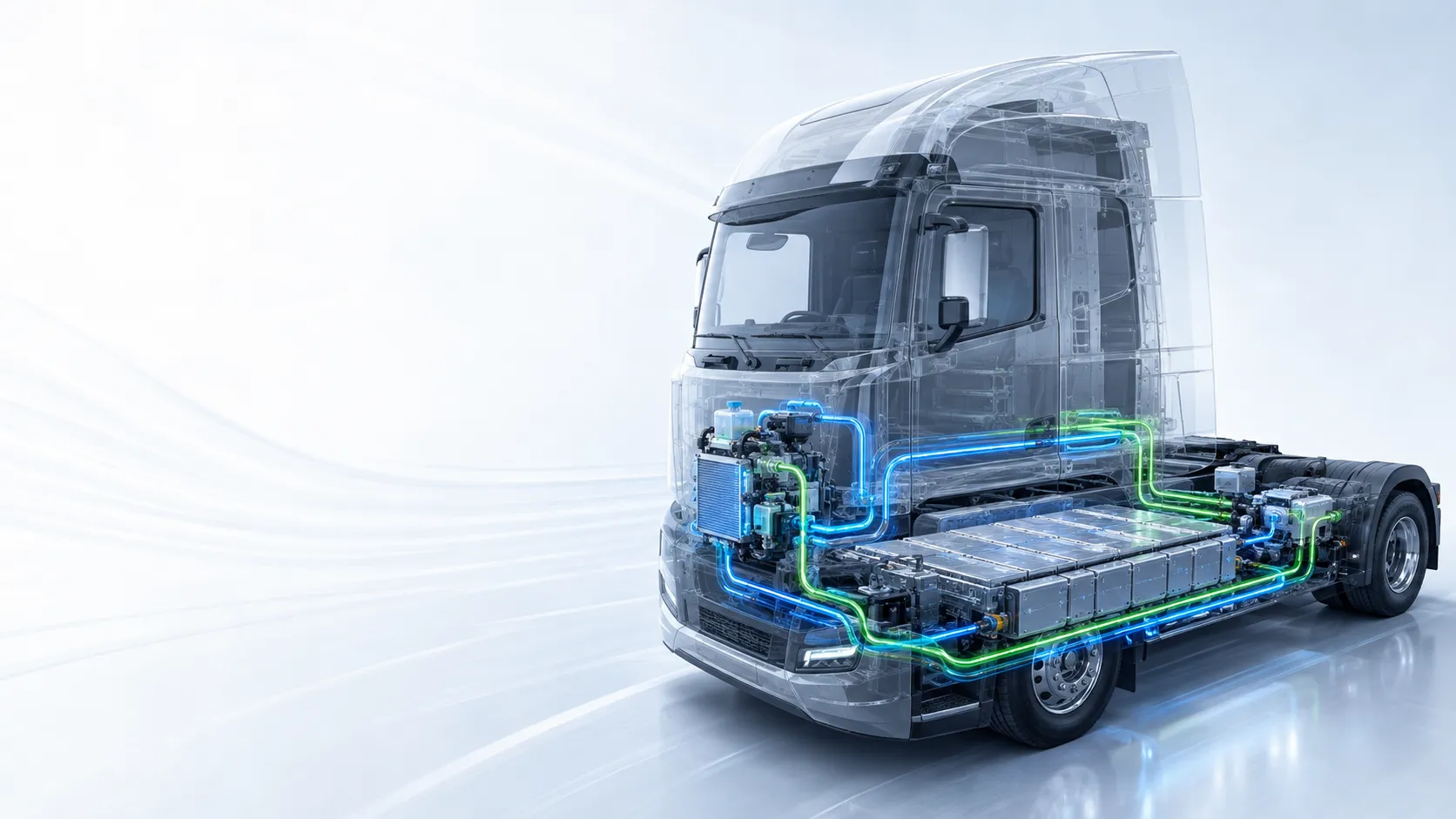
COMMERCIAL TRANSPORT
Electric Truck
System-level thermal management for regional, distribution and heavy-duty electric truck platforms.
Duty cycle · Fast charging · Cold start
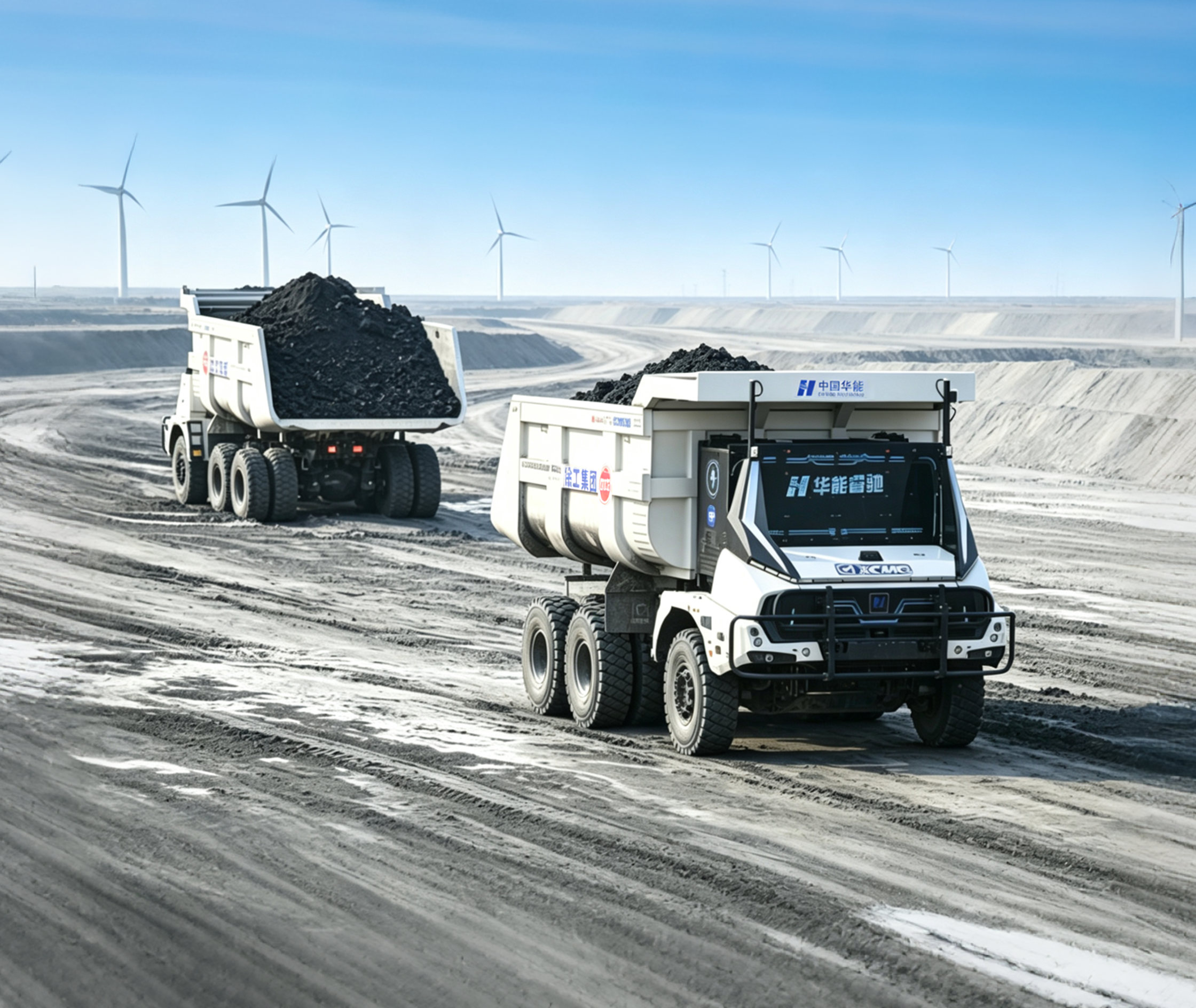
HARSH-DUTY OFF-HIGHWAY
Electric Mining Truck
Rugged thermal architectures for sustained haul loads, regeneration, rapid charging and mine-site environments.
Haul cycle · Dust + vibration · Altitude
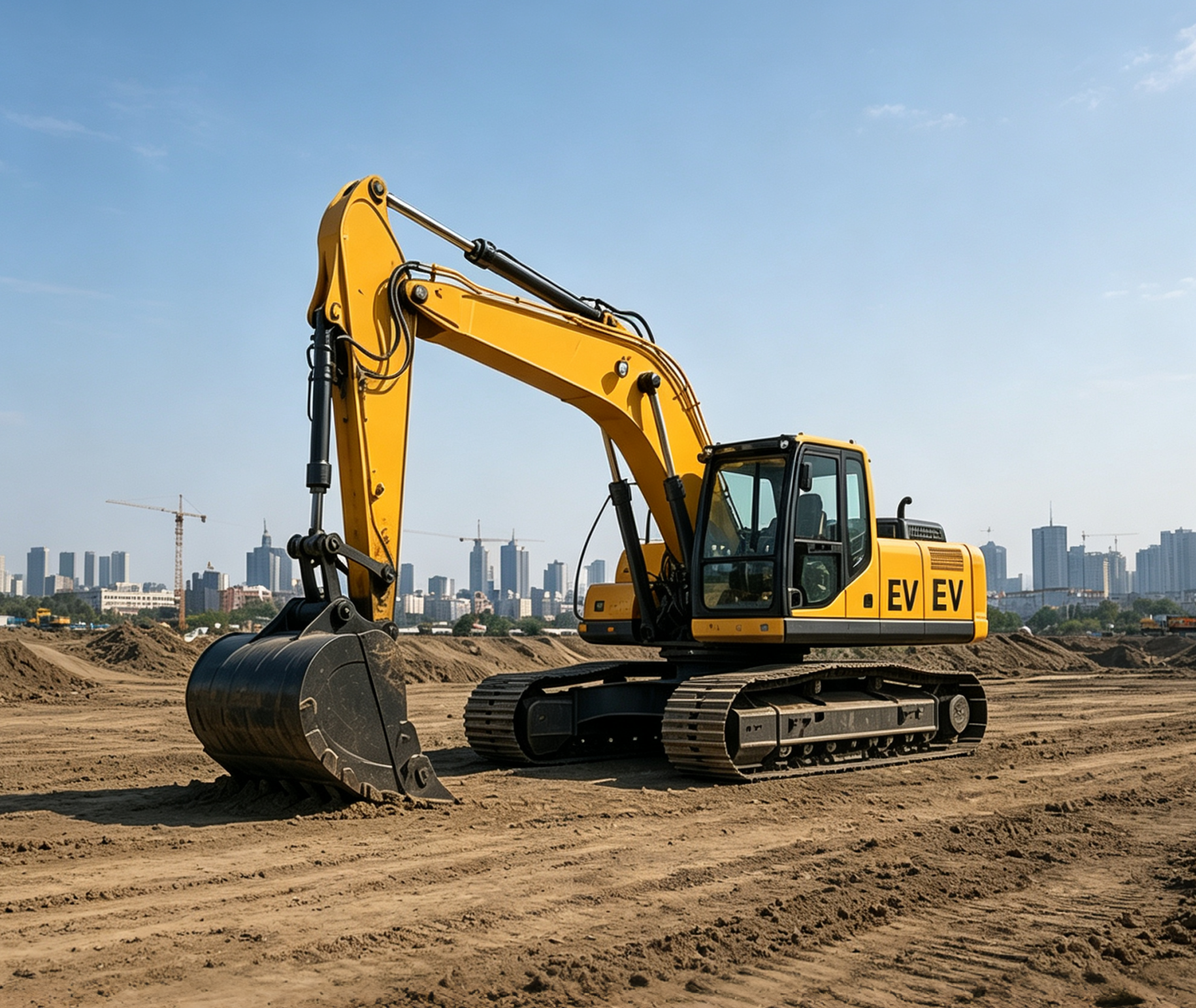
VARIABLE-LOAD EQUIPMENT
Construction Machinery
Thermal solutions for excavators, loaders and specialist electric machines with variable working cycles.
Low-speed airflow · Variable loads · Rugged interfaces
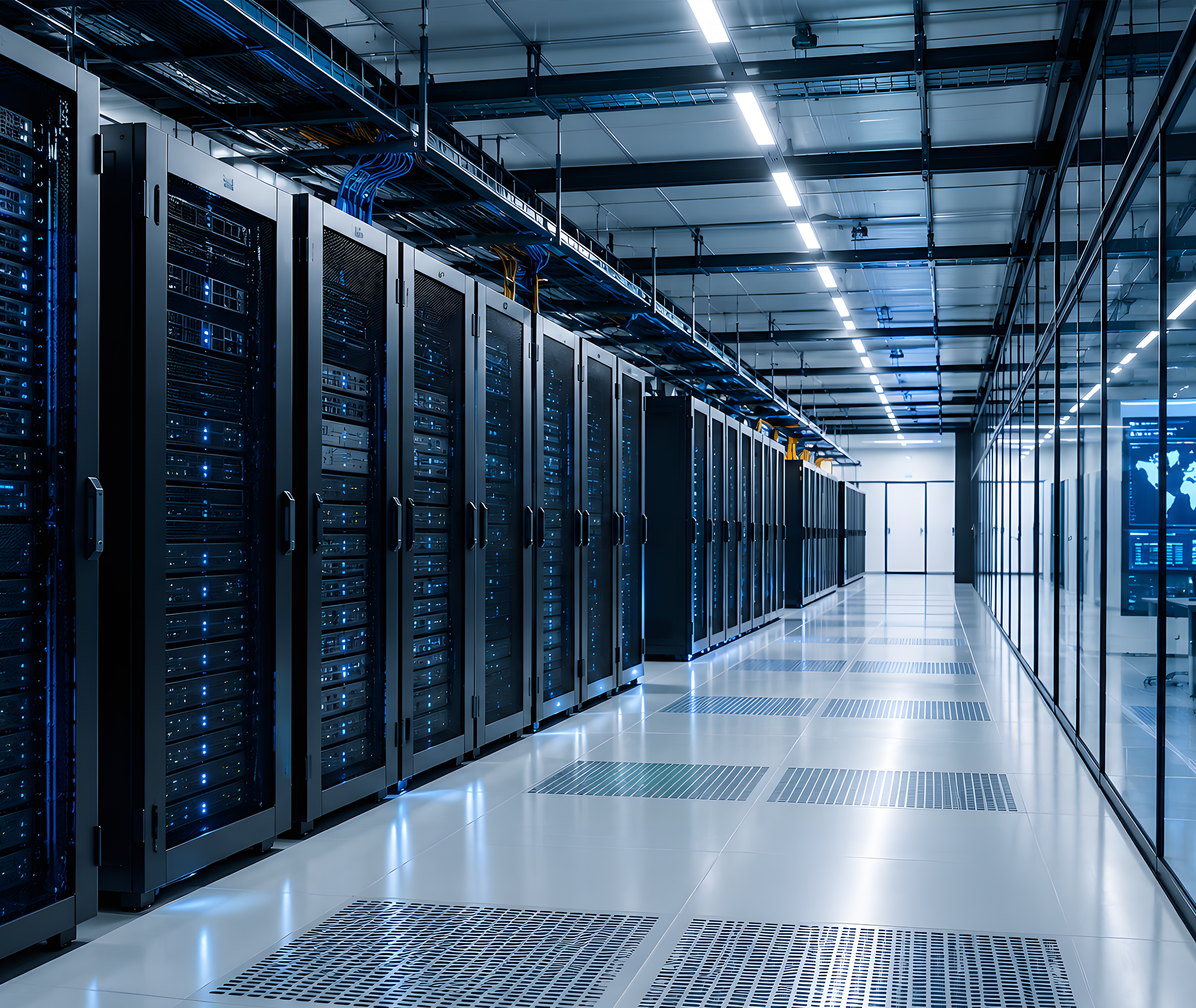
AI & HIGH-DENSITY COMPUTING
Data Center Liquid Cooling
Engineering support for coolant distribution, direct-to-chip loops and high-density computing thermal control.
CDU · Flow + pressure · Leak risk
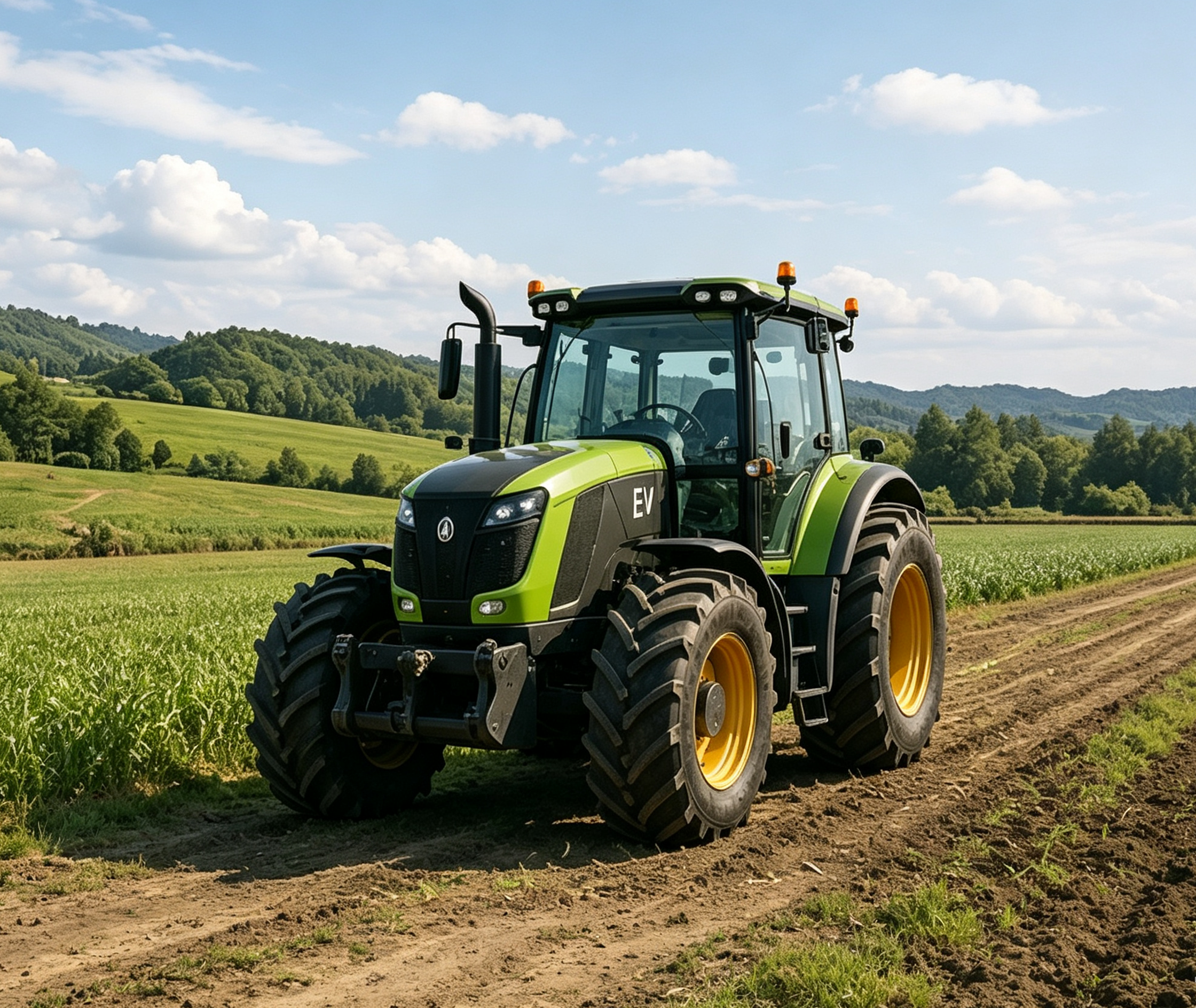
SEASONAL & FIELD EQUIPMENT
Agricultural Machinery
Season-ready thermal management for electric tractors, orchard equipment and autonomous field machines.
PTO + hydraulics · Crop debris · Seasonal storage
BUYER DECISION FRAMEWORK
The Right Solution Starts with the Operating Requirement
Do not select a thermal product from voltage or headline power alone. EVLINK evaluates the complete application context before recommending a configuration.
01
Duty Cycle & Heat Load
Route hours, grades, payload, hydraulic or PTO work, regeneration, charging and rack density determine the thermal load.
02
Ambient & Environment
Cold starts, extreme heat, altitude, dust, crop debris, vibration, washdown and facility conditions influence design choices.
03
Thermal Scope
Define whether the project covers battery, power electronics, cabin, coolant loops, refrigeration or technology cooling systems.
04
Integration & Validation
Packaging, electrical interfaces, CAN strategy, fault handling, serviceability and the agreed test matrix must be defined early.
URBAN & INTERCITY MOBILITY
Electric Bus Thermal Management for Predictable Fleet Operation
Bus platforms combine long daily operating hours, repeated stops, passenger-comfort loads and fixed charging windows. The thermal strategy should be sized around the route, battery, charging schedule and local climate.
- Battery cooling during continuous route duty
- Battery and coolant preheating before dispatch
- Cabin-heating load coordination
- Overnight and opportunity-charging thermal control
Relevant EVLINK scope: BTMS, high-voltage coolant heater, electric compressor, thermal controller and CAN integration.
COMMERCIAL TRANSPORT
Electric Truck Thermal Management Built Around the Transport Mission
Payload, grade, route speed, charging power, dwell time and ambient temperature all influence component sizing. The page guides engineering and purchasing teams from truck mission to thermal architecture.
- High-load traction and grade operation
- Fast or depot-charging thermal loads
- Cold-weather battery conditioning
- Compact packaging and service access
Relevant EVLINK scope: Battery liquid cooling, coolant heating, active compression, power control and vehicle communication.
HARSH-DUTY OFF-HIGHWAY
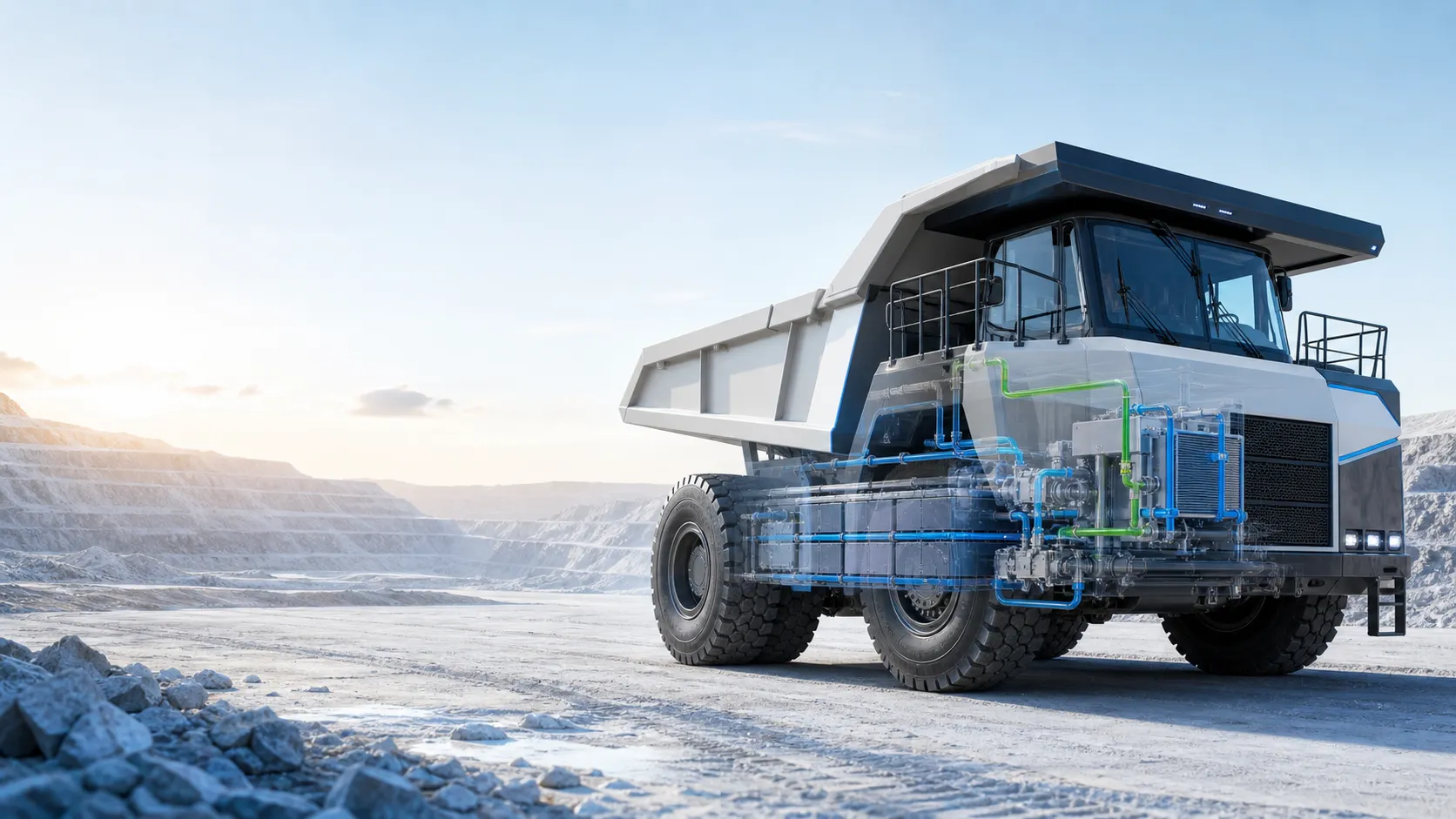
Mining Vehicle Thermal Management for the Complete Haul Cycle
Loaded climbs, downhill regeneration, abrasive dust, remote service and extreme sites make a generic road-vehicle design inadequate. System definition starts with the real mine cycle and environment.
- Sustained high-load heat rejection
- Regenerative-braking and charging loads
- Dust, shock, vibration and washdown exposure
- Altitude, temperature and remote serviceability
Relevant EVLINK scope: Project-sized BTMS, HV coolant heating, compression and coordinated CAN control.
VARIABLE-LOAD EQUIPMENT
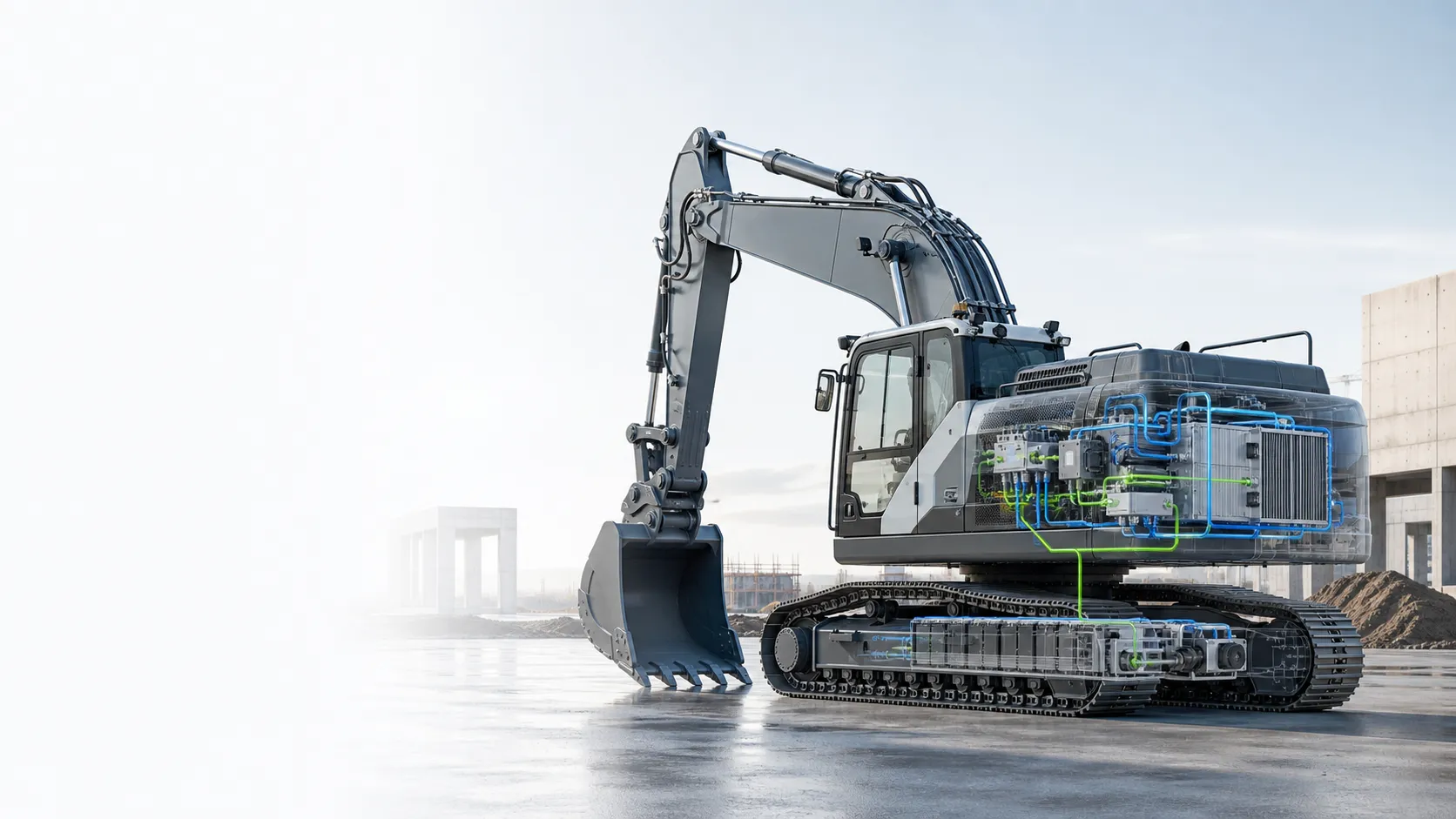
Construction Equipment Thermal Management Beyond Drive-Only Loads
Hydraulic work, auxiliary systems, idling, restricted airflow and frequent load transitions create a duty profile that differs from road vehicles. Integration must preserve visibility, mounting and maintenance access.
- Hydraulic and auxiliary power demand
- Low-speed or stationary working periods
- Dust, vibration and changing machine attitude
- Compact installation and field maintenance
Relevant EVLINK scope: Battery cooling and heating components, controllers, compressors and machine-specific interfaces.
AI & HIGH-DENSITY COMPUTING
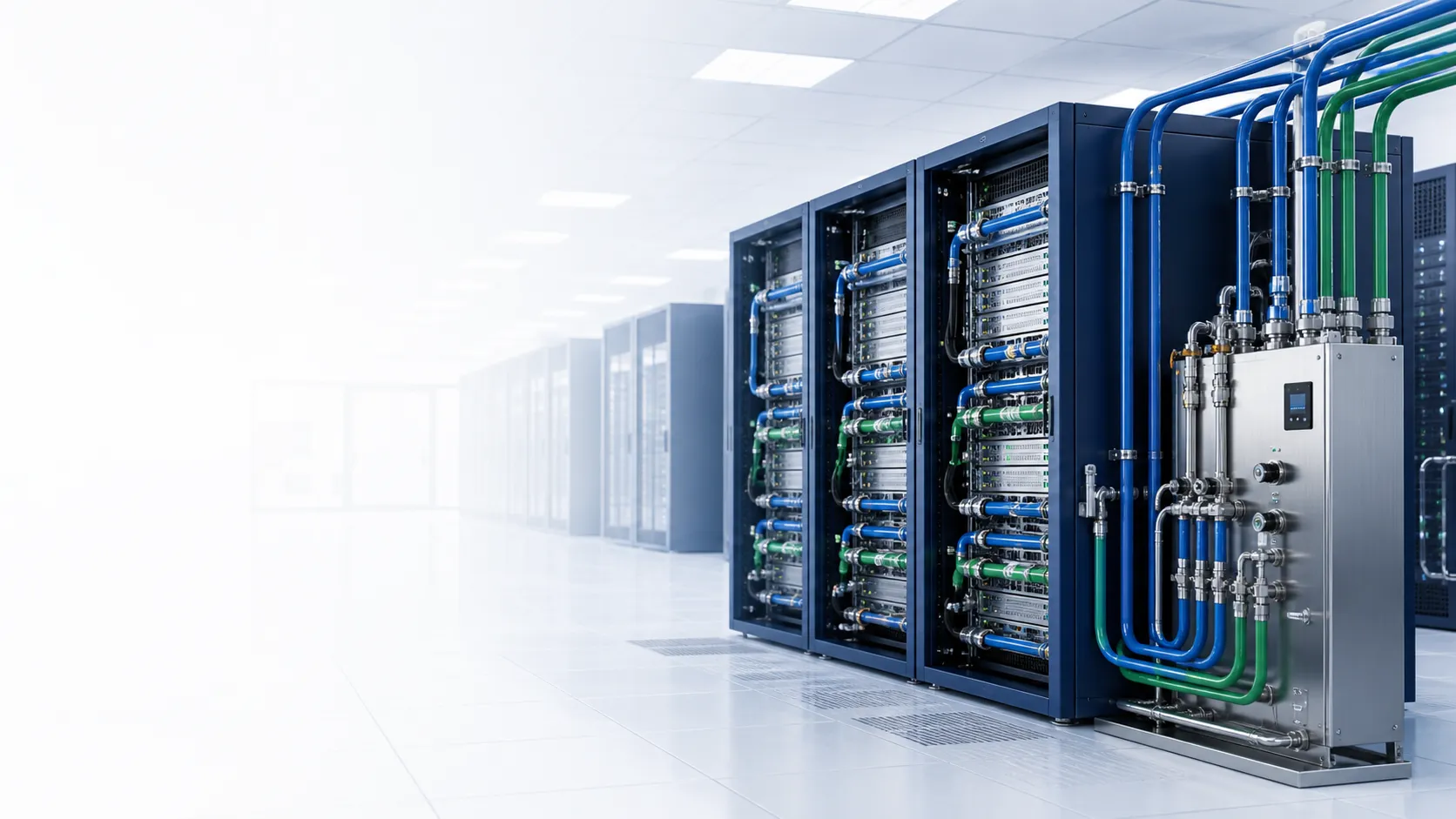
Data Center Liquid Cooling Focused on Flow, Reliability and Integration
This application is intentionally separated from vehicle duty cycles. Buyers need clear discussion of coolant distribution, heat load, flow, pressure drop, redundancy, monitoring, water chemistry and service procedures.
- CDU and technology-cooling-system definition
- Flow, pressure drop and coolant compatibility
- Redundancy, monitoring and fault response
- Leak prevention, maintainability and scalability
Relevant EVLINK scope: Project evaluation, coolant-loop architecture and control integration; publish exact capability only after model verification.
SEASONAL & FIELD EQUIPMENT
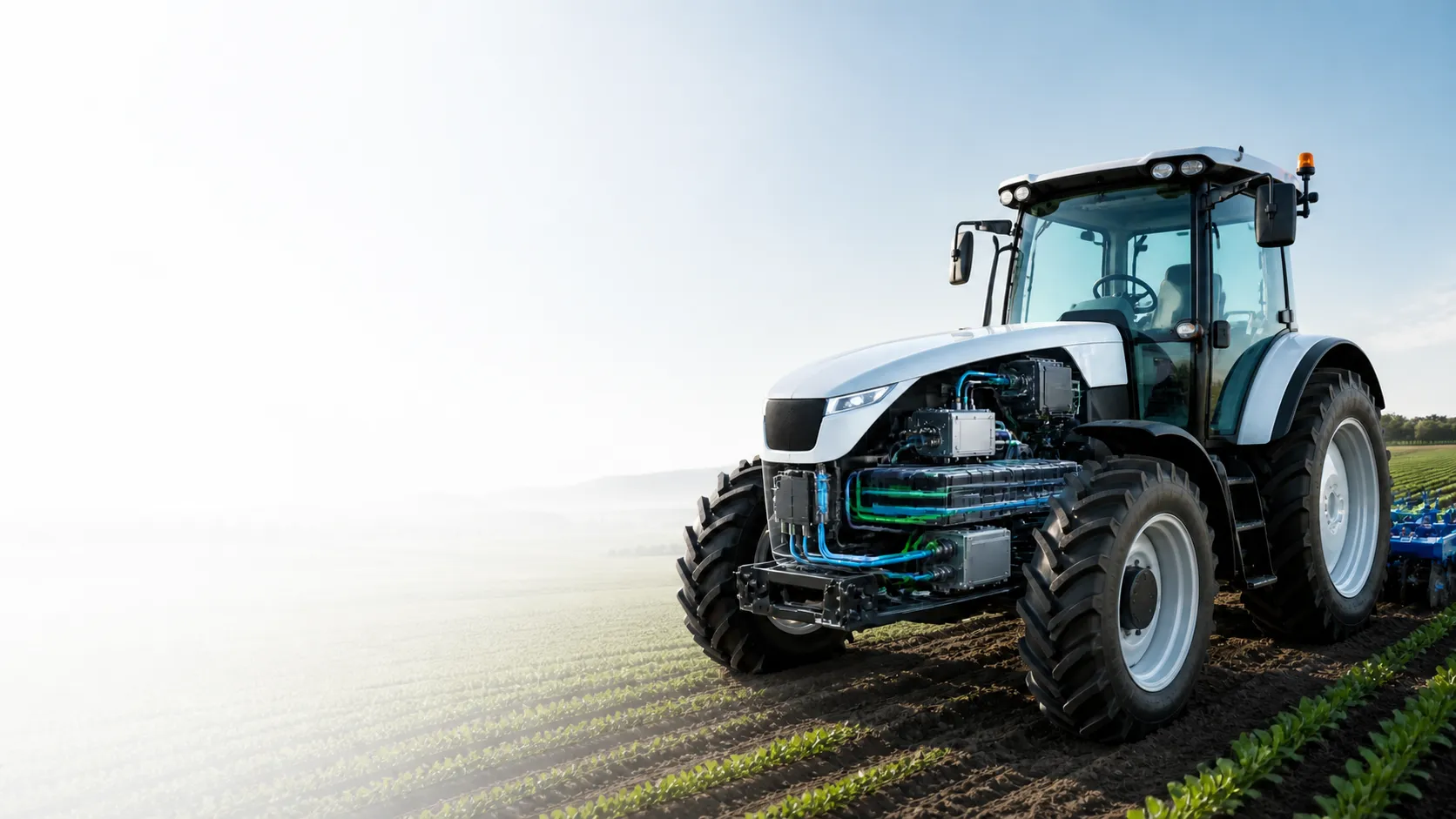
Agricultural Thermal Management from Preconditioning to Seasonal Storage
Agricultural machines face intense seasonal windows, low-speed work, PTO and hydraulic loads, crop debris and long storage periods. The system must support both daily field work and seasonal restart.
- PTO, hydraulic and implement work cycles
- Dust, pollen, chaff and blocked-airflow risk
- Cold starts and scheduled preconditioning
- Seasonal storage, wake-up and field service
Relevant EVLINK scope: BTMS, coolant heater, compressor and intelligent control configured around the machine and implement duty.
APPLICATION MATRIX
Compare the Six Application Pathways
Use this matrix for first-stage navigation only. Final products and specifications require project-specific engineering review.
Application
Primary Duty
Key Environment
Relevant EVLINK Scope
Next Step
Electric Bus
Route uptime
Cabin + battery
BTMS, high-voltage coolant heater, electric compressor, thermal controller and CAN integration.
Electric Truck
Duty cycle
Fast charging
Battery liquid cooling, coolant heating, active compression, power control and vehicle communication.
Electric Mining Truck
Haul cycle
Dust + vibration
Project-sized BTMS, HV coolant heating, compression and coordinated CAN control.
Construction Machinery
Low-speed airflow
Variable loads
Battery cooling and heating components, controllers, compressors and machine-specific interfaces.
Data Center Liquid Cooling
CDU
Flow + pressure
Project evaluation, coolant-loop architecture and control integration; publish exact capability only after model verification.
Agricultural Machinery
PTO + hydraulics
Crop debris
BTMS, coolant heater, compressor and intelligent control configured around the machine and implement duty.
SYSTEM-LEVEL ENGINEERING
A Repeatable Method Across Different Applications
The hardware changes by platform, but the engineering logic remains consistent: define the load, architecture, interfaces and proof required for production.
01
Understand the Load
Duty cycle, battery or rack heat, charging, ambient and transient peaks.
02
Define the Loops
Cooling, heating, refrigeration, facility or vehicle interfaces and control ownership.
03
Select Components
BTMS, coolant heater, compressor and controller configuration where applicable.
04
Integrate & Validate
Mechanical, coolant, electrical, CAN, protection, diagnostics and test plan.
PRODUCT PORTFOLIO
Products That Support the Application Architecture
A product is recommended only after voltage, thermal load, coolant, interface, packaging and control requirements are confirmed.
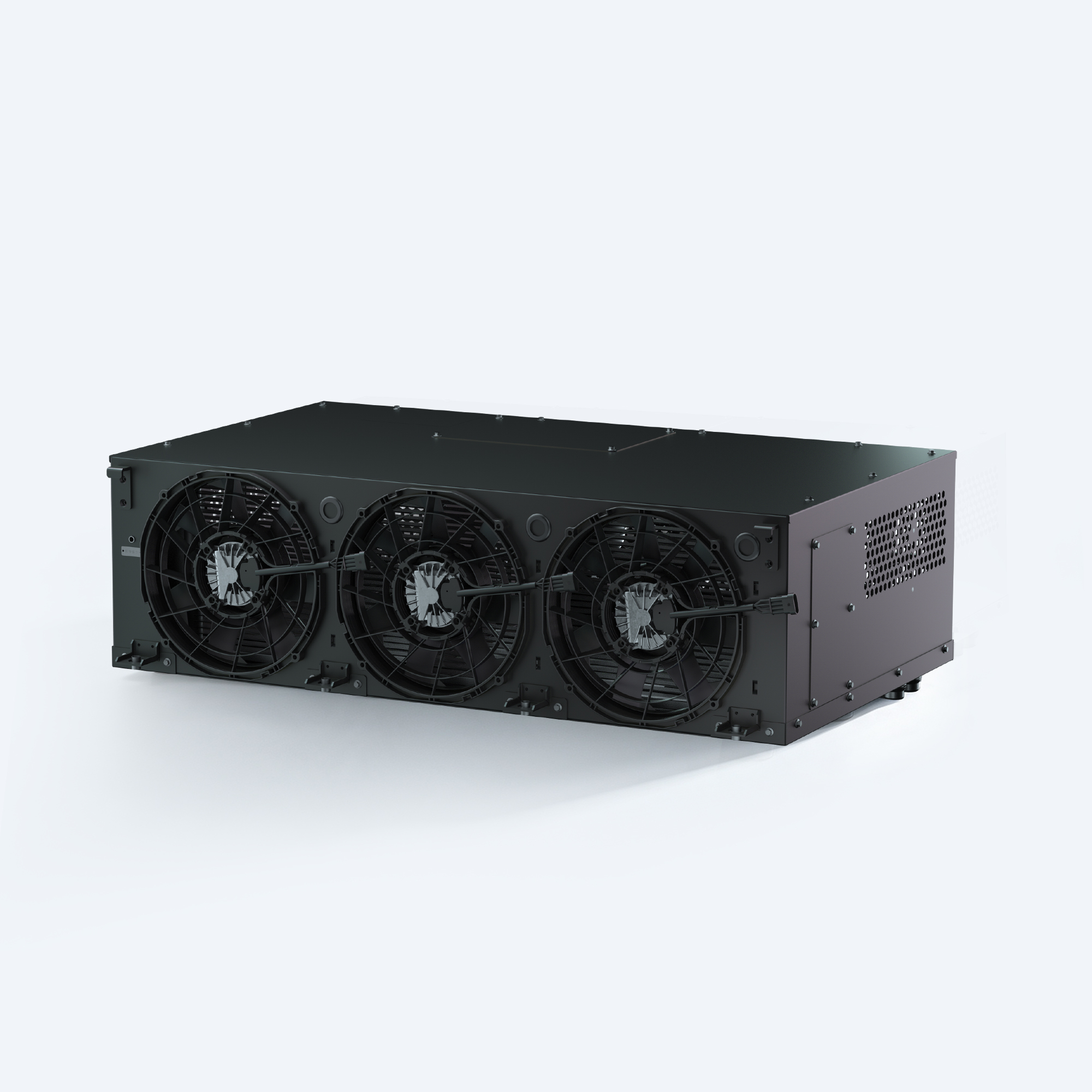
01 | Battery Thermal Management System
Battery cooling and heating support configured for the application duty and thermal target.
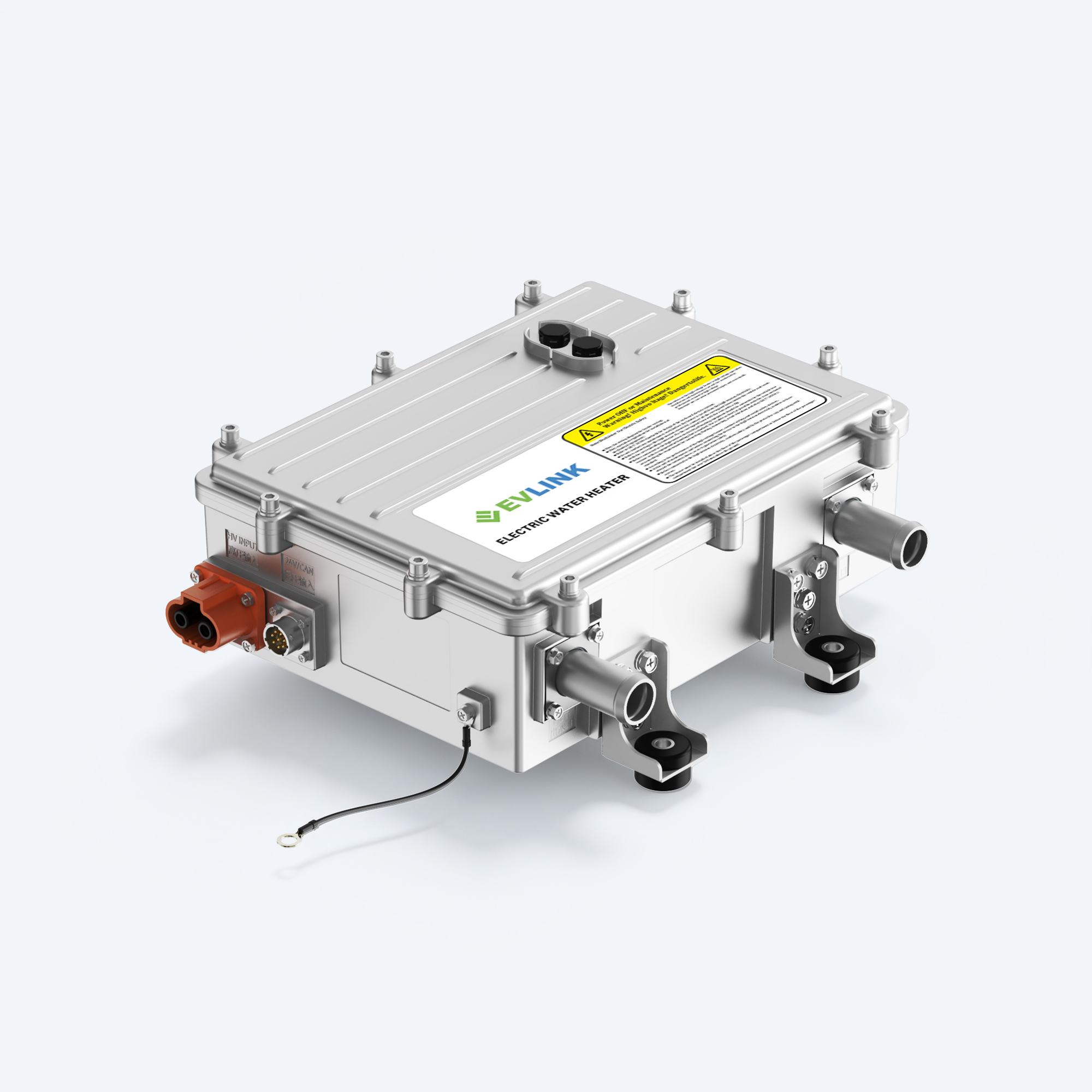
02 | High Voltage Coolant Heater
Controlled coolant heating for battery conditioning, cabin or related high-voltage thermal loads.
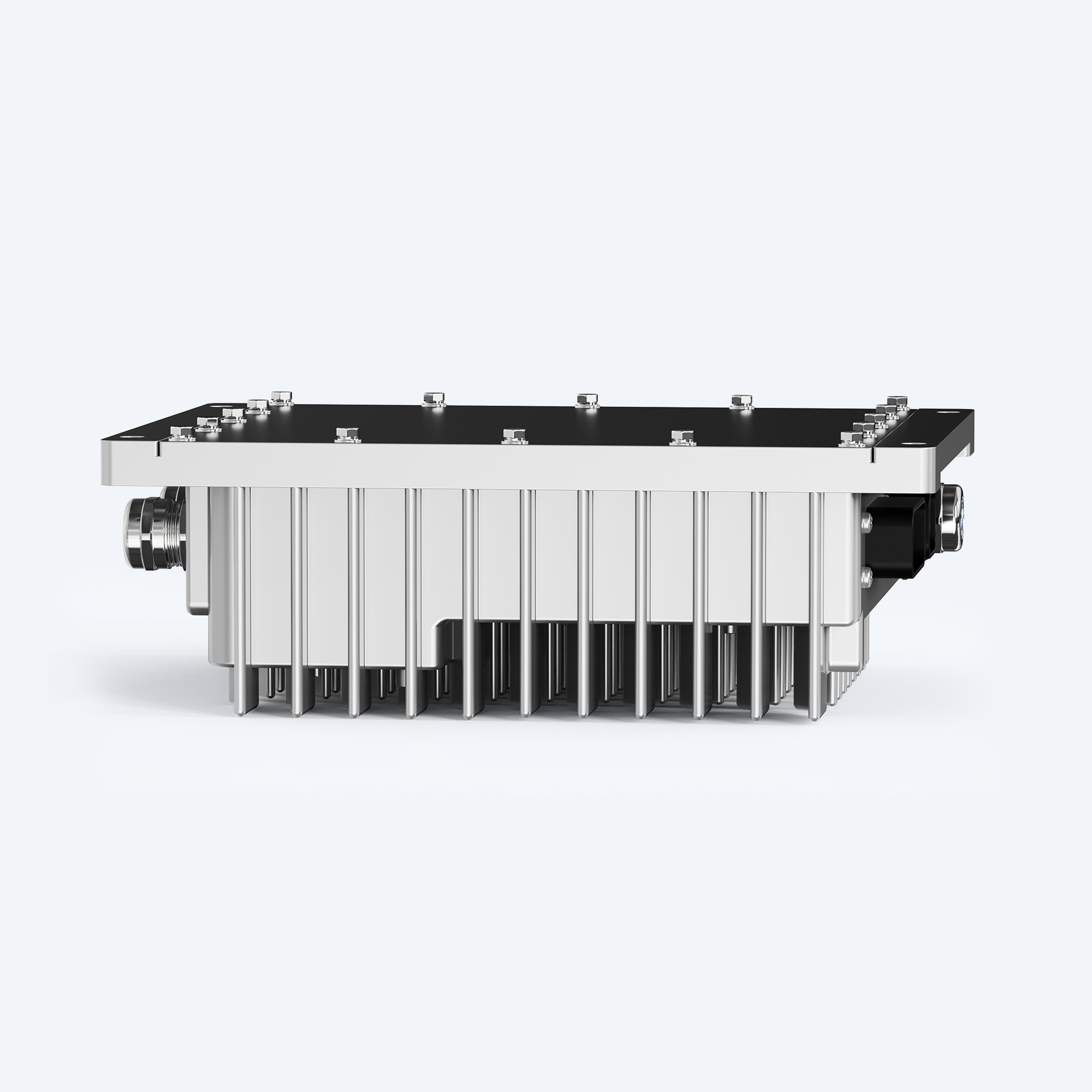
03 | Three-in-One Controller
Compact power and communication control for coordinated project architectures.
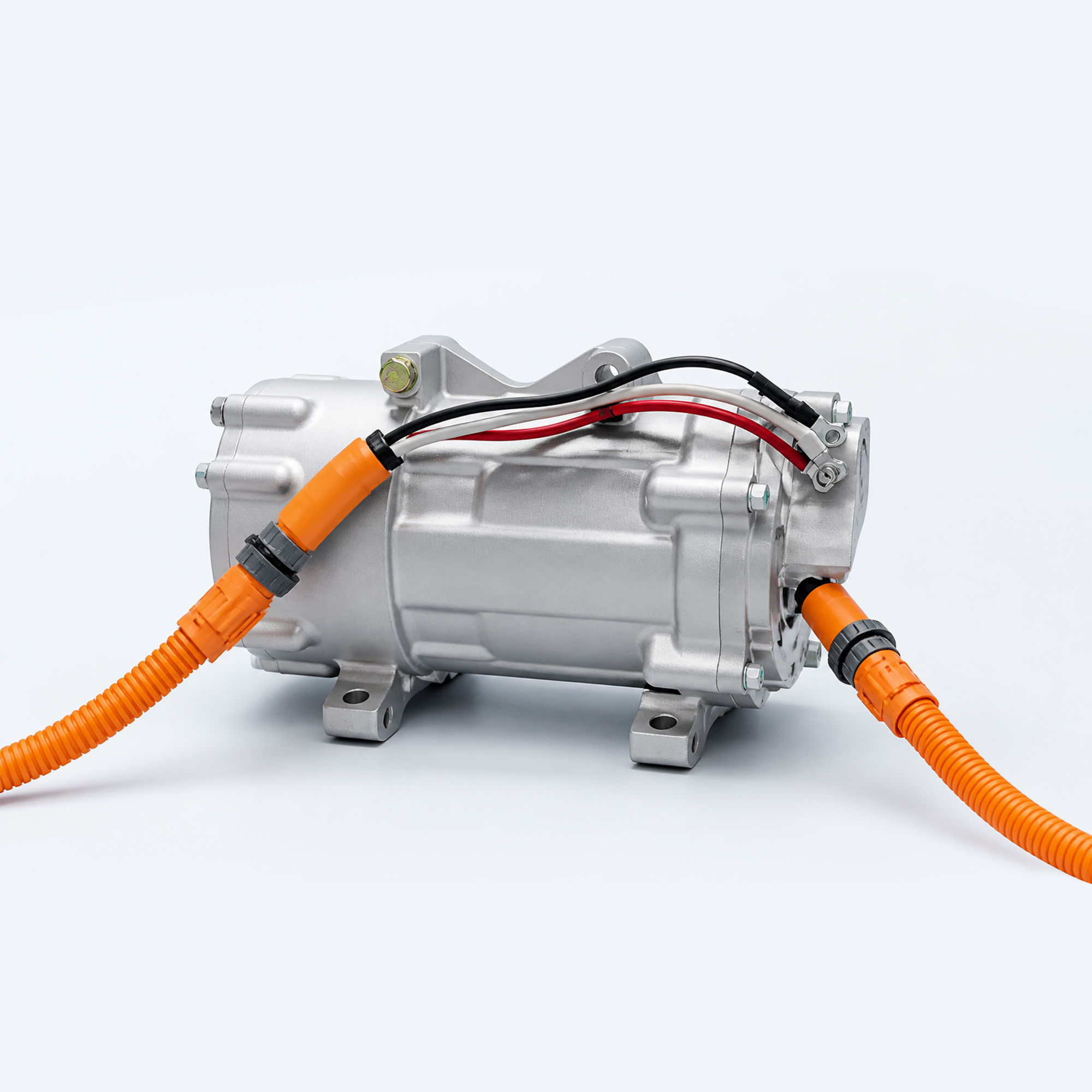
04 | Electric Compressor
Active refrigerant compression for vehicle or equipment cooling circuits.
START WITH GOOD INPUTS
Information Required Before Product Selection
The faster your team shares reliable application data, the faster EVLINK can identify technical risks, narrow the architecture and prepare a useful proposal.
- Platform type and target operating task
- Battery or IT heat-load data
- High- and low-voltage platform
- Duty cycle, charging or workload profile
- Minimum and maximum ambient conditions
- Cooling and heating targets
- Coolant, refrigerant, flow and pressure requirements
- Installation envelope and service access
- Dust, water, vibration or facility conditions
- VCU, BMS, DCIM or control communication
- Target market, standards and validation plan
- Prototype timing and forecast demand
ENGINEERING WORKFLOW
From Application Requirement to Production Preparation
This workflow helps OEM engineering and purchasing teams understand what happens after the first inquiry.
01
Requirements Review
Clarify platform, load, environment, interfaces and success criteria.
02
Architecture & Sizing
Define loops, components, operating modes and preliminary installation.
03
Interface Definition
Prepare mechanical, coolant, electrical, CAN or control information.
04
Prototype Integration
Support sample installation, commissioning and issue review.
05
Validation Planning
Agree test conditions, acceptance criteria, records and change control.
06
Production Preparation
Finalize approved configuration, documentation and delivery requirements.
PROOF BEFORE CLAIMS
Build Buyer Trust with Verifiable Evidence
Do not fill an applications hub with generic stock photos and unsupported performance claims. Use real project, validation and factory evidence with permission and traceable facts.
01
Application Integration
Replace with an authentic installed-system or prototype photograph.
02
Performance Validation
Replace with real test equipment, conditions and a factual caption.
03
Factory & Quality
Replace with a traceable production, inspection or process record.
FREQUENTLY ASKED QUESTIONS
Thermal Management Applications FAQ
Which applications does EVLINK support?
This page routes buyers to six current pathways: electric buses, electric trucks, electric mining trucks, construction machinery, agricultural machinery and data center liquid cooling. Final product suitability depends on the specific project requirements.
Is the same thermal system used for every application?
No. Duty cycle, thermal load, environment, space, coolant, voltage, communication and validation requirements differ. Components and control strategies should be configured around the application.
How do I choose between a BTMS, coolant heater, controller and electric compressor?
Start with the required cooling and heating functions and the complete thermal architecture. EVLINK can review the inputs and identify which products and interfaces are relevant.
Can EVLINK support CAN communication and custom interfaces?
CAN and interface requirements can be reviewed during project definition. Publish or promise model-specific functions only after the selected configuration and protocol are confirmed.
What is different about off-highway thermal management?
Mining, construction and agricultural machines often combine dust, debris, shock, vibration, low-speed airflow, variable loads and remote service conditions. Those factors must be included in sizing and packaging.
What information should I send with an inquiry?
Provide the platform, battery or heat-load data, voltage, duty cycle, charging or workload profile, temperature range, coolant requirements, available space, environment, communication needs, standards and timing.
Does the data center page use the same vehicle products?
Data center liquid cooling is a separate engineering pathway. The page focuses on coolant distribution, flow, pressure drop, redundancy, monitoring and maintainability. Exact EVLINK product fit must be verified before publication or quotation.
APPLICATION ENGINEERING SUPPORT
Not Sure Which Application or Product Fits Your Project?
Send the platform, battery or heat load, voltage, duty cycle, charging or workload profile, ambient conditions, coolant requirements, installation space and control needs. EVLINK engineers will help identify the right starting path.