Book Appointment Now


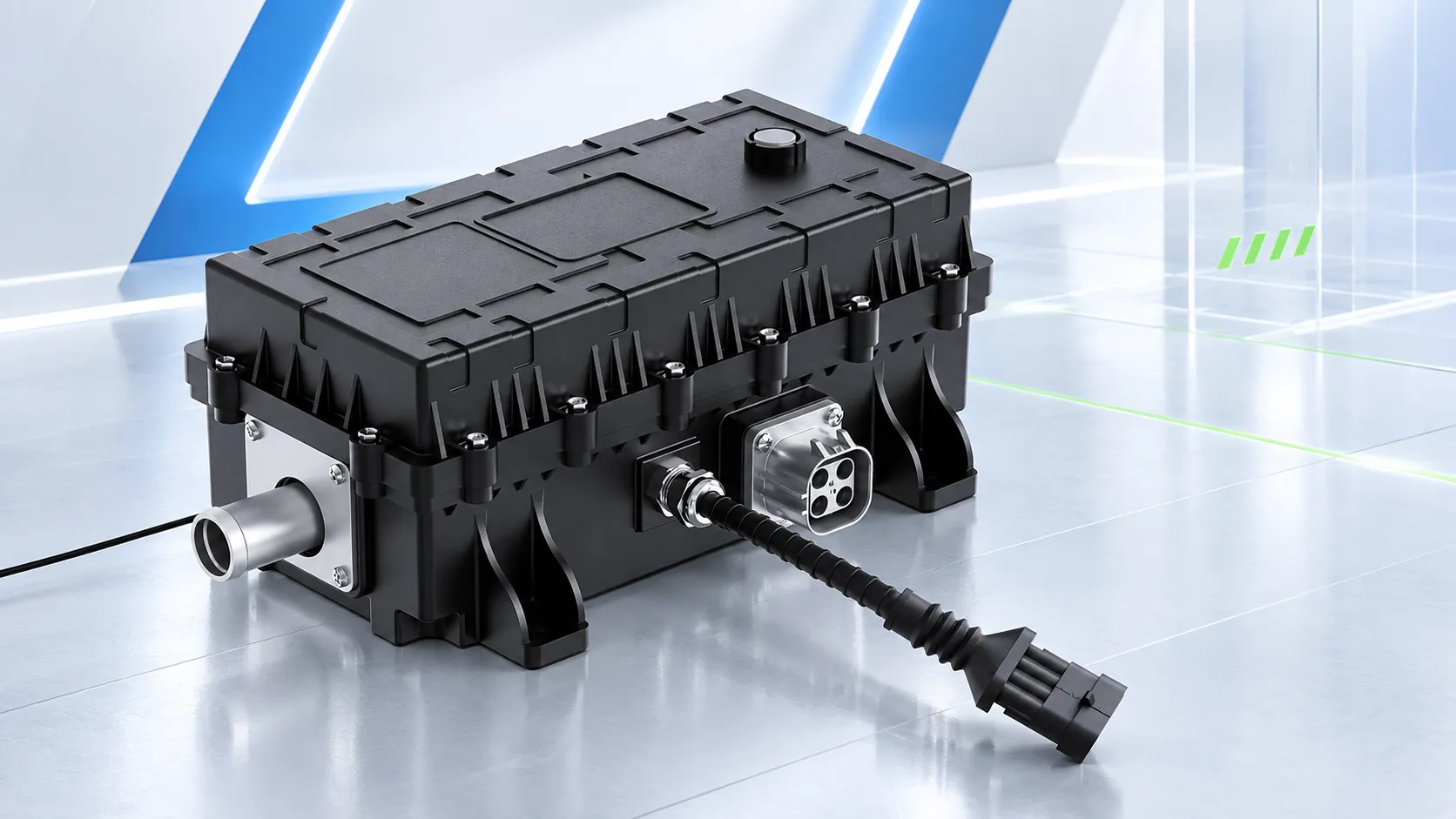
B4 Series 20–24 kW High Voltage Coolant Heater with BG Socket
A connector-defined PTC coolant heater for commercial EV battery and cabin thermal circuits, combining a 400–800 V operating window with a dedicated BG/Guoweitong socket interface.
Published rated power
Published operating range
Published product weight
Published protection rating
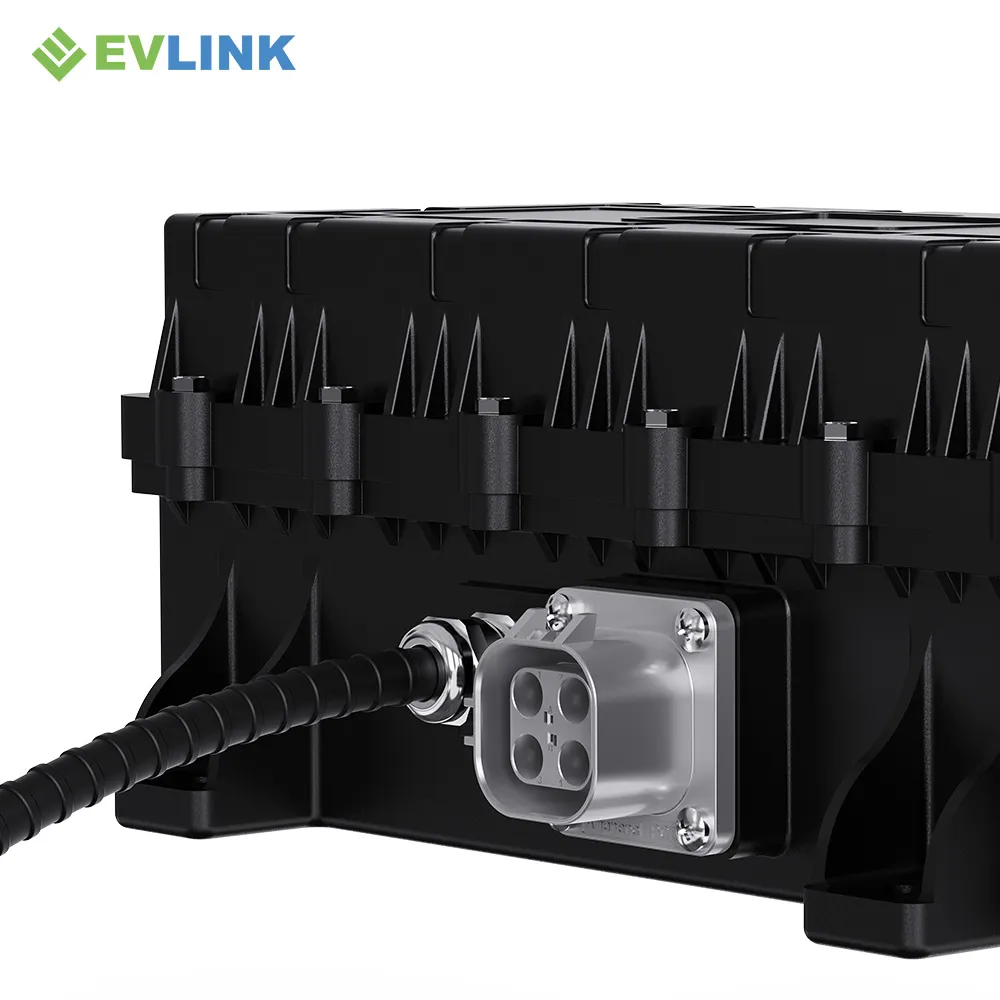
The Socket Is the First B4 Selection Gate
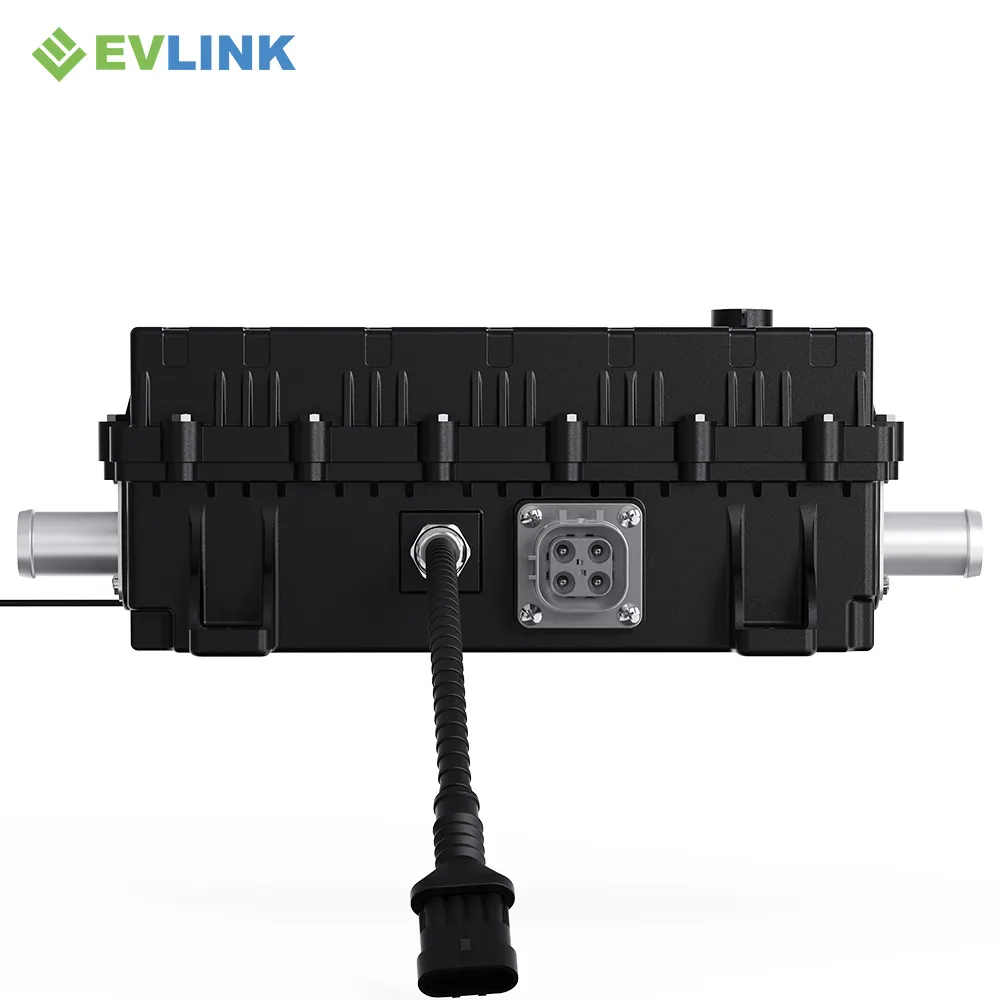
B4 shares headline power and voltage values with some B-Series variants, so the model should not be chosen from 20–24 kW alone. The supplied product views identify B4 by its front BG/Guoweitong socket. Engineering must close the complete connector system before releasing the package.
- Exact socket part number and revision
- Keying, contact map and HVIL definition
- Approved mating plug and terminal system
- Harness exit direction and minimum bend radius
- Sealing, retention and service-disconnection method
Four Checks Before B4 Enters the Vehicle BOM
Treat the socket, heater and harness as one controlled interface system.
Electrical Match
Confirm minimum, nominal and maximum voltage, requested power, current limits and insulation requirements.
Mating System
Freeze socket, plug, terminals, seals, keying, HVIL and approved supplier revisions.
Package Access
Reserve harness exit, bend radius, locking access and disconnect space around the front socket.
Control Release
Align CAN commands, feedback, faults, enable logic and software-document revision.
B4 Data for Cross-Functional Review
Published values below come from the supplied B4 artwork; confirm project-specific thresholds and test scope before release.
Power
Rated voltage is listed as customizable; match it to the released vehicle-voltage window.
Operating voltage
Confirm minimum, nominal and maximum operating points plus transient requirements.
Temperature
The supplied material lists this as the operating-temperature range.
Insulation
Listed at DC1000 V for the high-voltage section; align the acceptance method and environment.
Communication
Request the applicable CAN database, diagnostic behavior and software revision.
Protection
Confirm the assembled connector interface, mounting and validation conditions.
Move from Interface Preference to Controlled Configuration
The connector name is a starting point; the released parts and documents determine compatibility.
Identify
Capture the requested socket family and vehicle-side mating preference.
Cross-Check
Compare part numbers, keying, contacts, seals and supplier revisions.
Package
Verify harness direction, locking access, bend radius and service clearance.
Control
Review CAN, enable, feedback, faults and vehicle-state behavior.
Release
Freeze drawings, software, test conditions and change-control ownership.
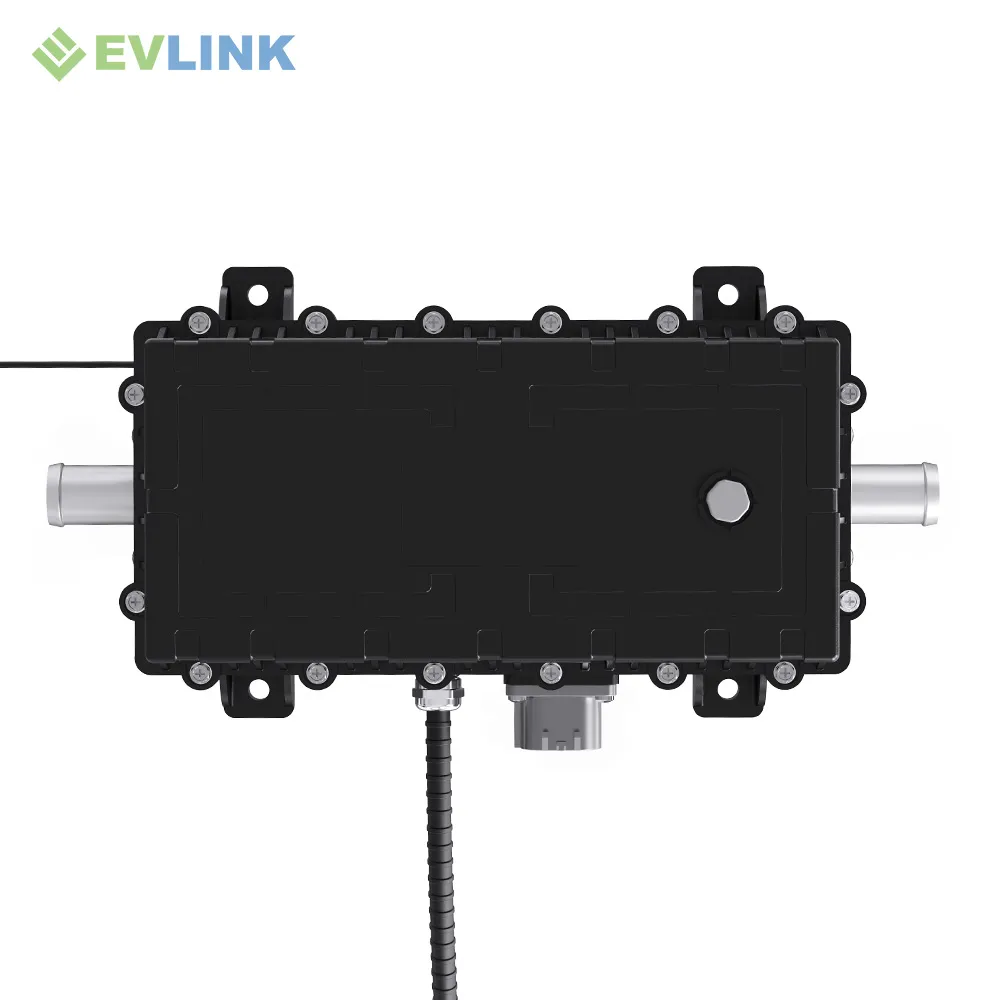
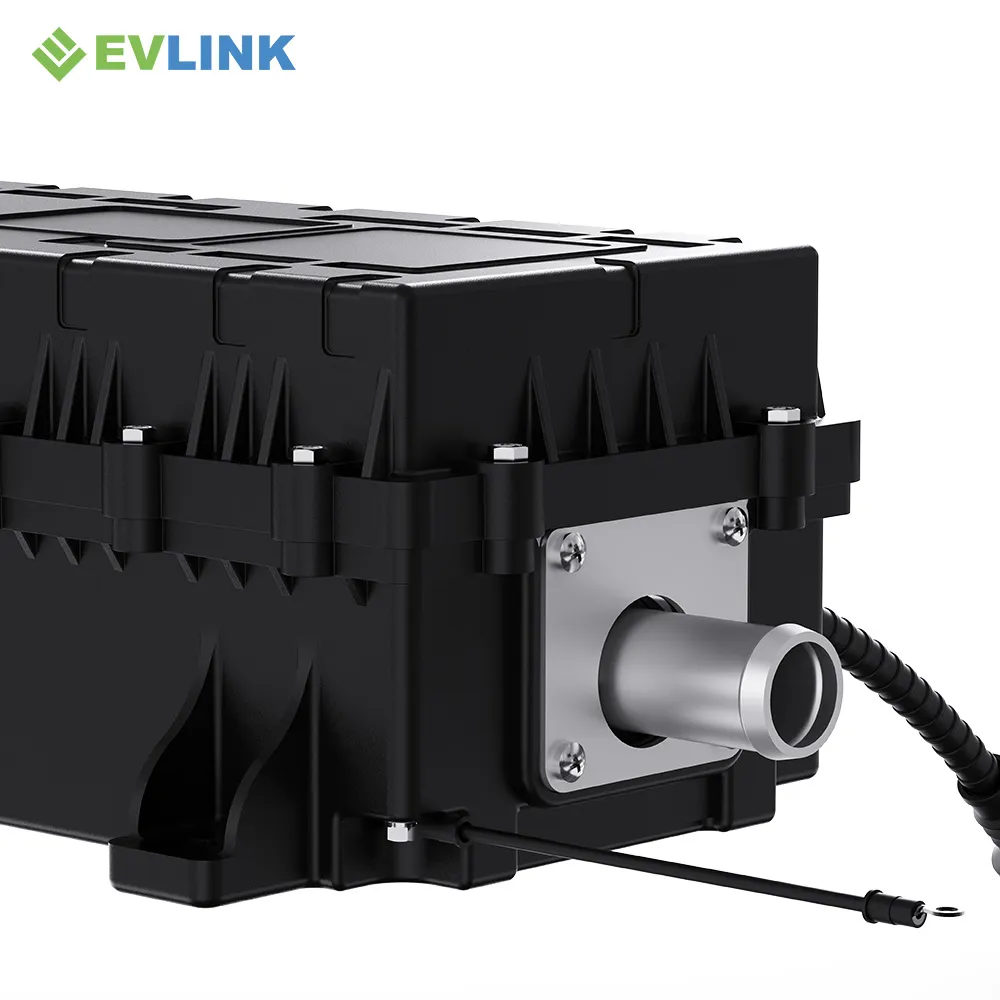
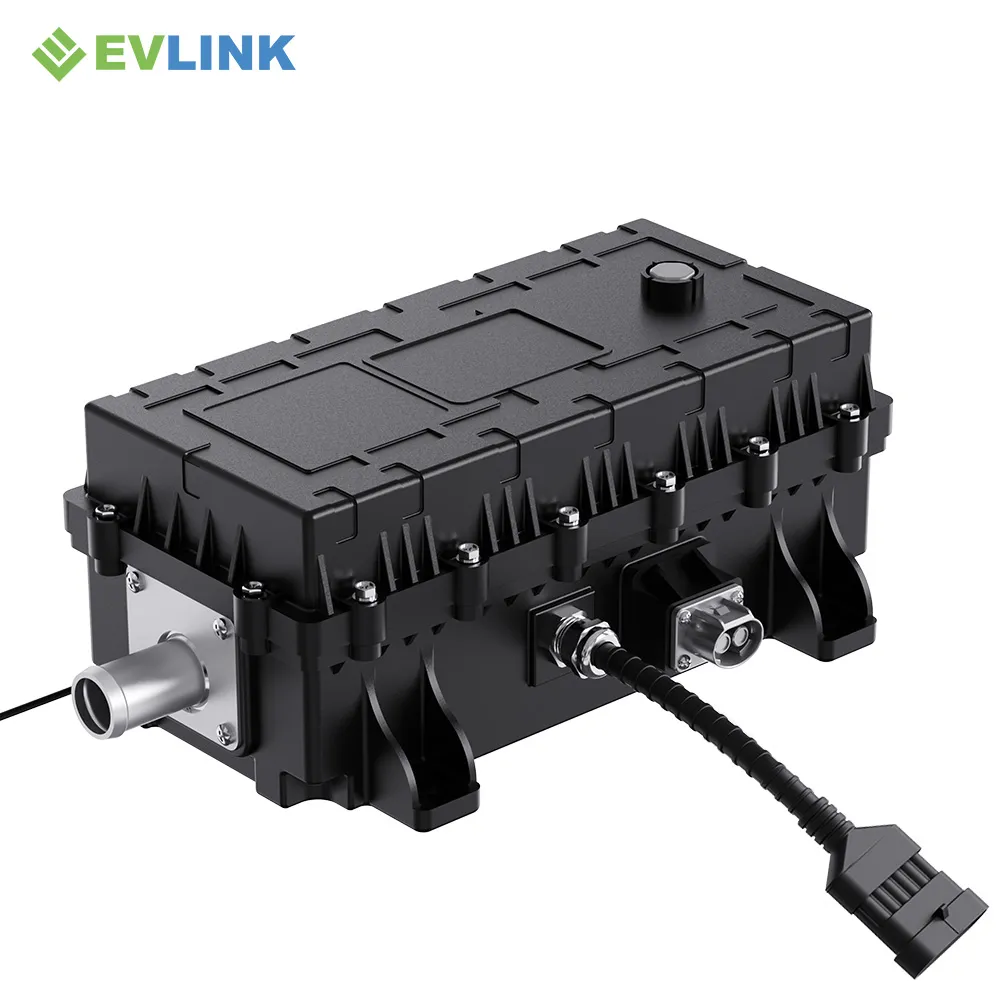
Review the Socket, Coolant Ports and Mounting Envelope
Use the gallery for orientation and the controlled drawing for design decisions.
Align B4 with the Vehicle Energy Strategy
The supplied specification lists PID control, fault self-diagnosis and automatic power limiting. Convert those functions into defined commands, feedback signals, fault responses and test cases for the vehicle program.
- Overvoltage and undervoltage protection
- Overcurrent and short-circuit protection
- Overtemperature protection
- CAN communication and enable signal
- PID control and fault self-diagnosis
- Automatic power limiting
EMC note: the supplied artwork references ISO 11452 Class 3. Confirm the exact test method, report, configuration and acceptance scope before publishing it as model proof.
Where a Socket-Defined Heater Configuration Matters
Final suitability depends on heating duty, coolant-loop conditions, electrical architecture and package access.
Battery Preheating
Coordinate cold-start targets, available electrical power, flow conditions and battery-control priorities.
Commercial EV Cabin Heat
Balance passenger comfort demand, route profile, energy budget and vehicle HVAC architecture.
Fleet-Maintained Platforms
Review connector accessibility, safe disconnection, harness replacement and controlled spare-part identity.
Integrated Thermal Loops
Define pump, valve, heater and vehicle-controller responsibilities before system validation.
Compare B1–B5 High Voltage Coolant Heater Configurations
Select by electrical operating range, coolant-pipe layout, low-voltage interface and high-voltage connector family—not by product appearance alone.
Confirm Electrical Range
B1–B5 share the supplied 20–24 kW, 400–800 V series range. Select the configuration by connector, coolant-pipe layout, mounting and service access; shared ratings do not make variants interchangeable.
Match Coolant Routing
Use the released drawing to confirm pipe direction and hose approach. B2 uses an S-bend layout, while B3 uses a straight-pipe layout.
Freeze Connector Family
Confirm the exact HV/LV connector, mating component, pin assignment and harness release before selecting B1, B4 or B5.
B1 High Voltage Coolant Heater
Rated power
Operating range
6-pin low-voltage lead · punched LV outlet · PL Ø9
Choose when the released BA01/Amphenol and 6-pin low-voltage interface match the vehicle harness.
B2 High Voltage Coolant Heater
Rated power
Operating range
S-bend coolant pipe · PL Ø9
Choose when the vehicle coolant routing requires the supplied S-bend pipe arrangement.
B3 High Voltage Coolant Heater
Rated power
Operating range
Straight coolant pipe · PL Ø9
Choose for the broader published electrical range and a straight coolant-pipe layout.
B4 High Voltage Coolant Heater
Rated power
Operating range
BG / Guoweitong socket configuration
Choose when the approved vehicle-side mating system is based on the BG/Guoweitong socket family.
B5 High Voltage Coolant Heater
Rated power
Operating range
BN / 中航光电 socket configuration
Choose when the released connector and mating components use the BN/中航光电 socket family.
Not Sure Which B-Series Variant Fits?
Send the voltage window, heating duty, coolant-port direction, released connector family, installation drawing and CAN requirements for a configuration review.
Before quotation or design release, confirm connector part numbers, mating components, coolant-port geometry, mounting drawing, CAN revision and project-specific electrical limits. Published ranges describe the supplied product material and do not replace the released configuration drawing.
B4 Socket and Selection Questions
Focused answers for buyers and engineers evaluating the BG/Guoweitong interface.
Confirm the Socket System Before You Release the Heater
Send the vehicle voltage window, heating duty, coolant data, package drawing, mating-connector requirements, CAN scope, timing and volume.
Engineering response
A B4 configuration review covering connector fit, open technical points and the next documents required for project release.