PRODUCTS | HIGH-VOLTAGE HEATING

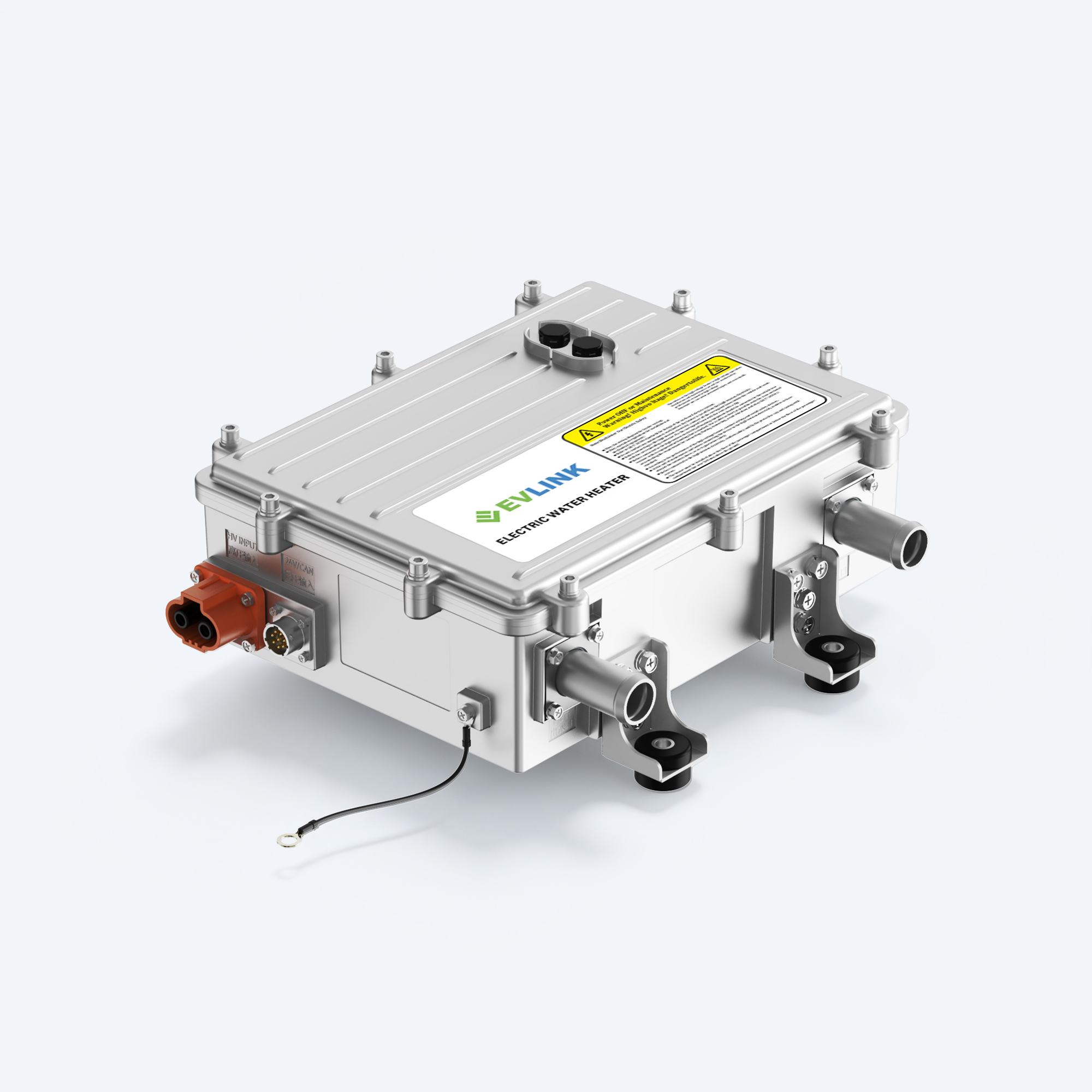
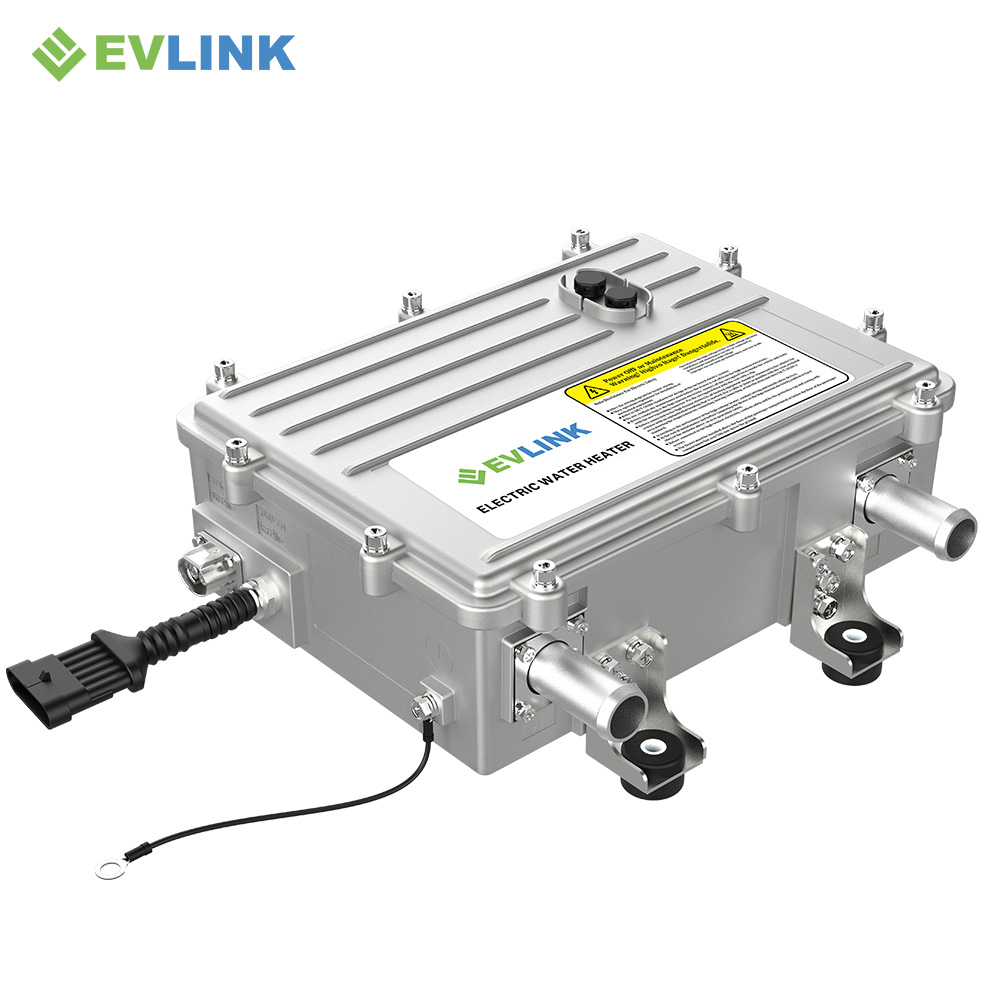
High Voltage Coolant Heater for Electric Vehicles

High-voltage PTC coolant heating for battery preconditioning, cabin comfort and reliable cold-climate operation in electric buses, trucks and off-highway machinery.

Explore EVLINK high voltage coolant heaters for battery preheating, cabin heating and commercial EV thermal management. Compare power, voltage and integration options

Vehicle-ready coolant heating designed around the electrical, hydraulic and control requirements of each platform.

HVCH PRODUCT SELECTION

Find the Right High Voltage Coolant Heater by Power and Voltage

Start with the required heating power and the vehicle voltage platform. Final model selection must also consider coolant conditions, ambient temperature, warm-up target, installation space and CAN strategy.

COMPACT HEATING

3–5 kW

For lower heating loads and compact coolant circuits. Confirm voltage window, coolant conditions and installation envelope.

LIGHT / MEDIUM DUTY

6–10 kW

A selection pathway for battery preheating, cabin support and smaller commercial-vehicle thermal loops.

COMMERCIAL EV

12–18 kW

For higher heating demand in electric buses, trucks and combined battery-and-cabin coolant circuits.

HEAVY COMMERCIAL

20–25 kW

For demanding duty cycles where heating load, low-temperature operation and available package space must be reviewed together.

HIGH-POWER DUTY

30–35 kW

For heavy-duty platforms and project-specific thermal requirements. Model availability and rated conditions require engineering confirmation.

NOT SURE?

Let EVLINK Calculate the Heating Demand

Send vehicle type, coolant flow, inlet temperature, target temperature, warm-up time and ambient conditions.

Why Rated Conditions Matter

Heating power is not a standalone number. Ask for the rated voltage, coolant type, flow rate, inlet temperature and ambient condition used to define the kW value. Nominal platform voltage must be distinguished from the complete operating-voltage range.

Electrical estimate: current is approximately power divided by voltage. Actual cable, connector, fuse and control-device selection must use the released product data and vehicle requirements.

SELECT VOLTAGE PLATFORM

Confirm the Full Vehicle Operating Window

Choose the nominal platform below, then provide minimum, nominal and maximum DC voltage. EVLINK will confirm a compatible released configuration.

400 V Platform

Provide minimum, nominal and maximum pack voltage. Availability is confirmed by released model.

600 V Platform

Match the complete operating window—not only the nominal vehicle voltage.

800 V Platform

Confirm maximum voltage, current, connector, insulation and control requirements.

Custom HV Range

For platform-specific voltage windows and interface requirements reviewed by EVLINK engineering.

Information Needed for an Accurate Match

Vehicle/application · required kW · min/nominal/max HV · 12/24 V supply · coolant and flow · inlet/target temperature · ambient range · installation envelope · CAN requirements.

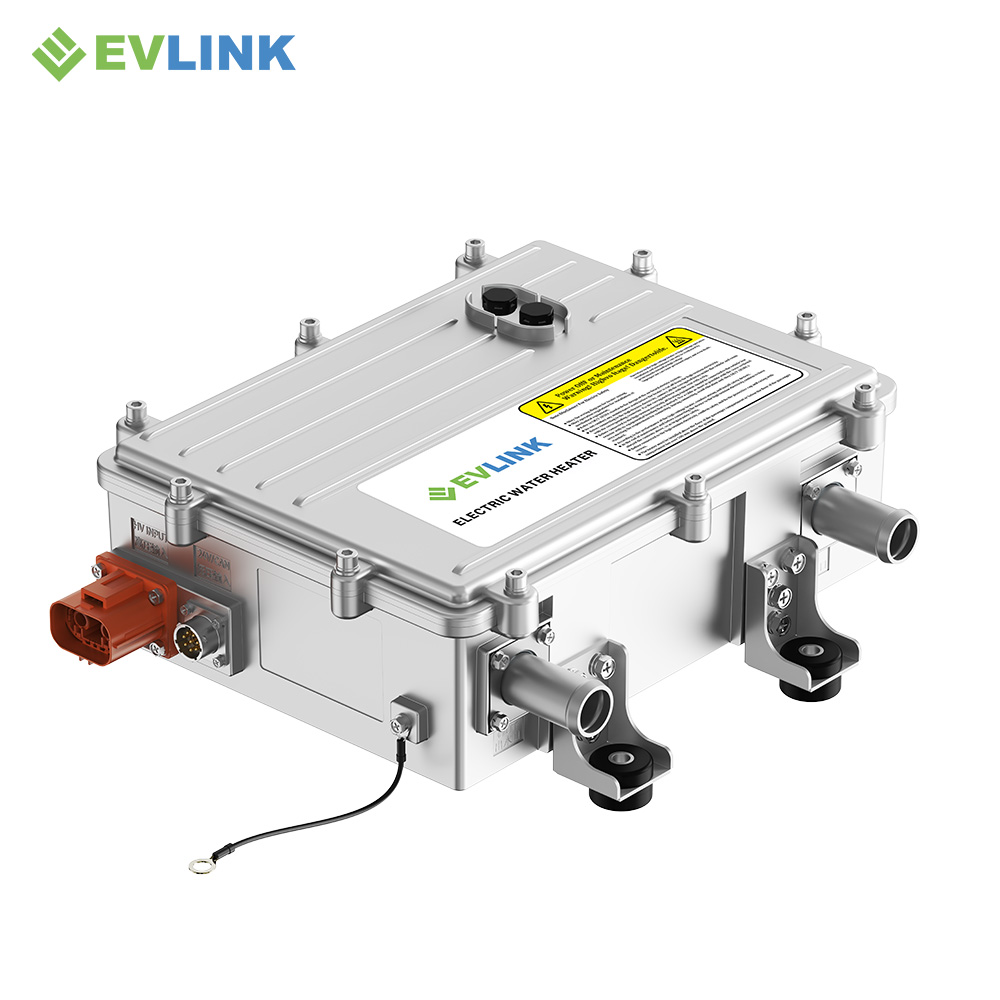
800v 35kw

Rated Voltage:Customizable
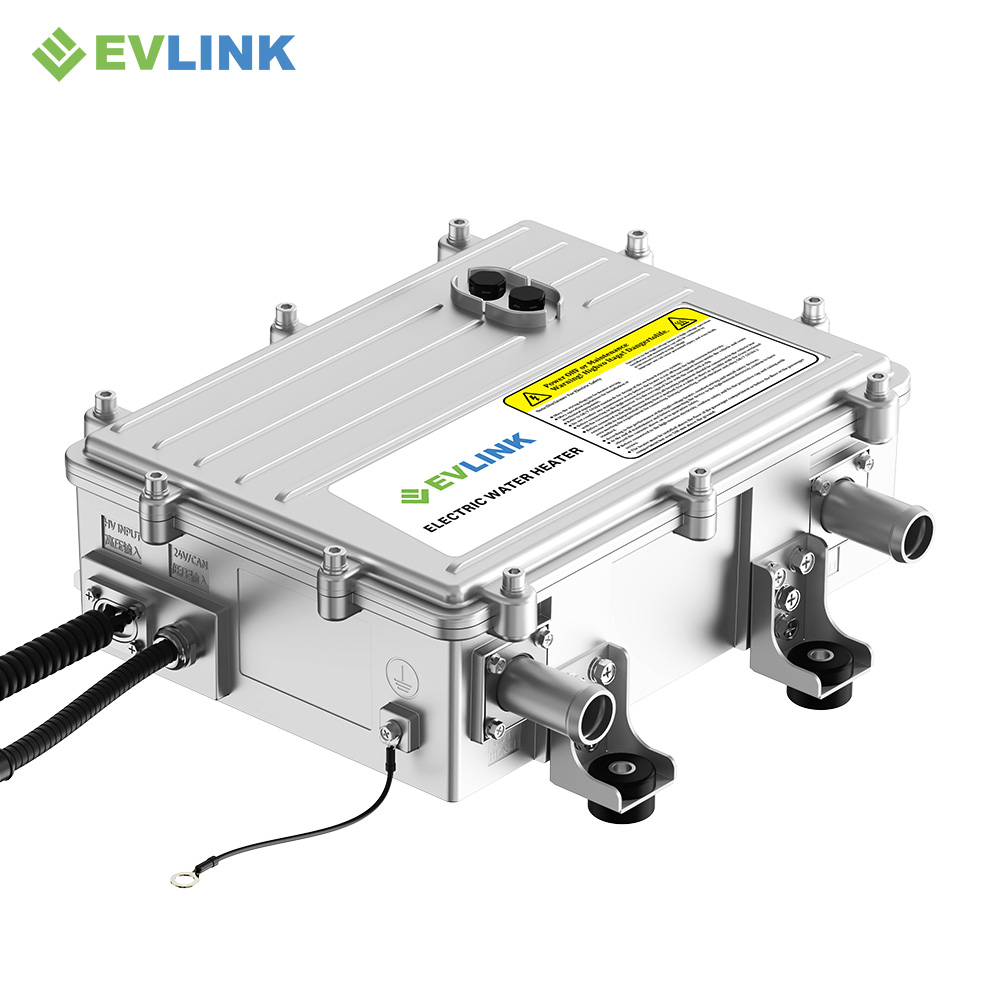
800v 35kw

Rated Voltage:Customizable
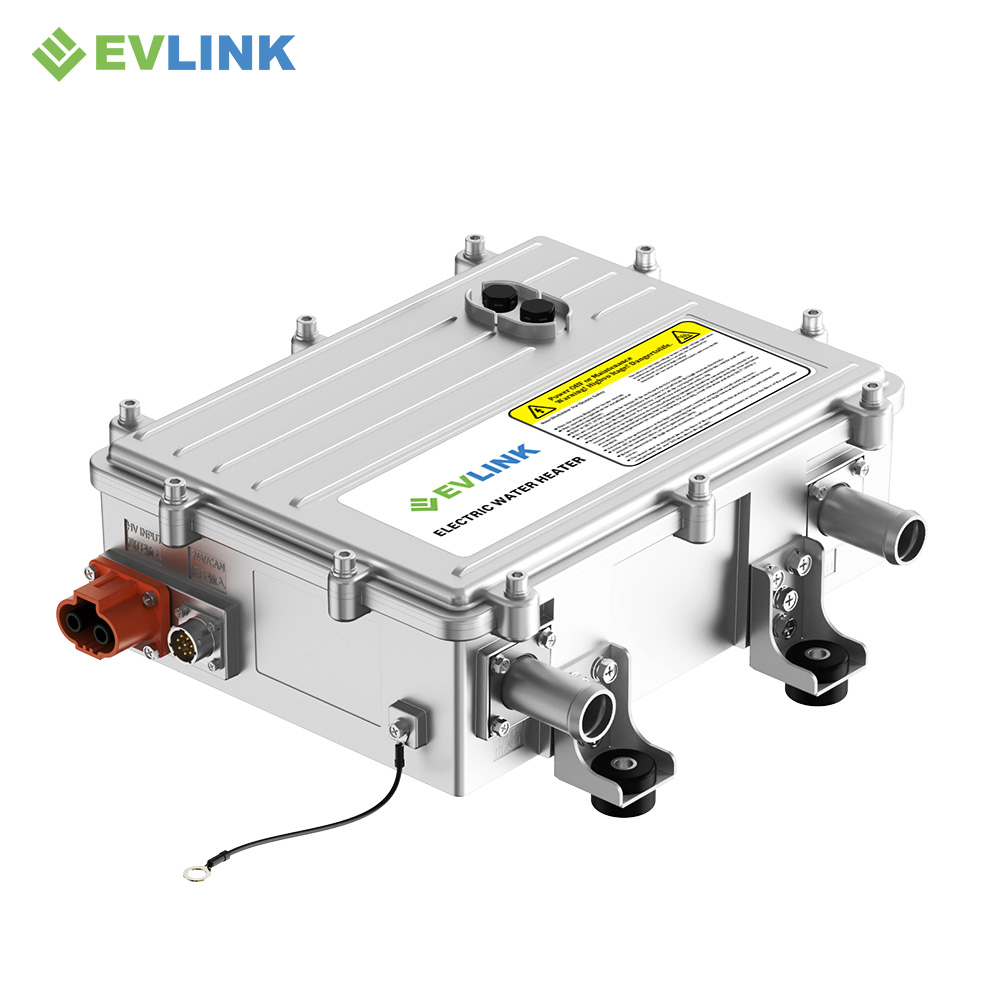
800v 35kw

Rated Voltage:Customizable
800v 35kw

Rated Voltage:Customizable
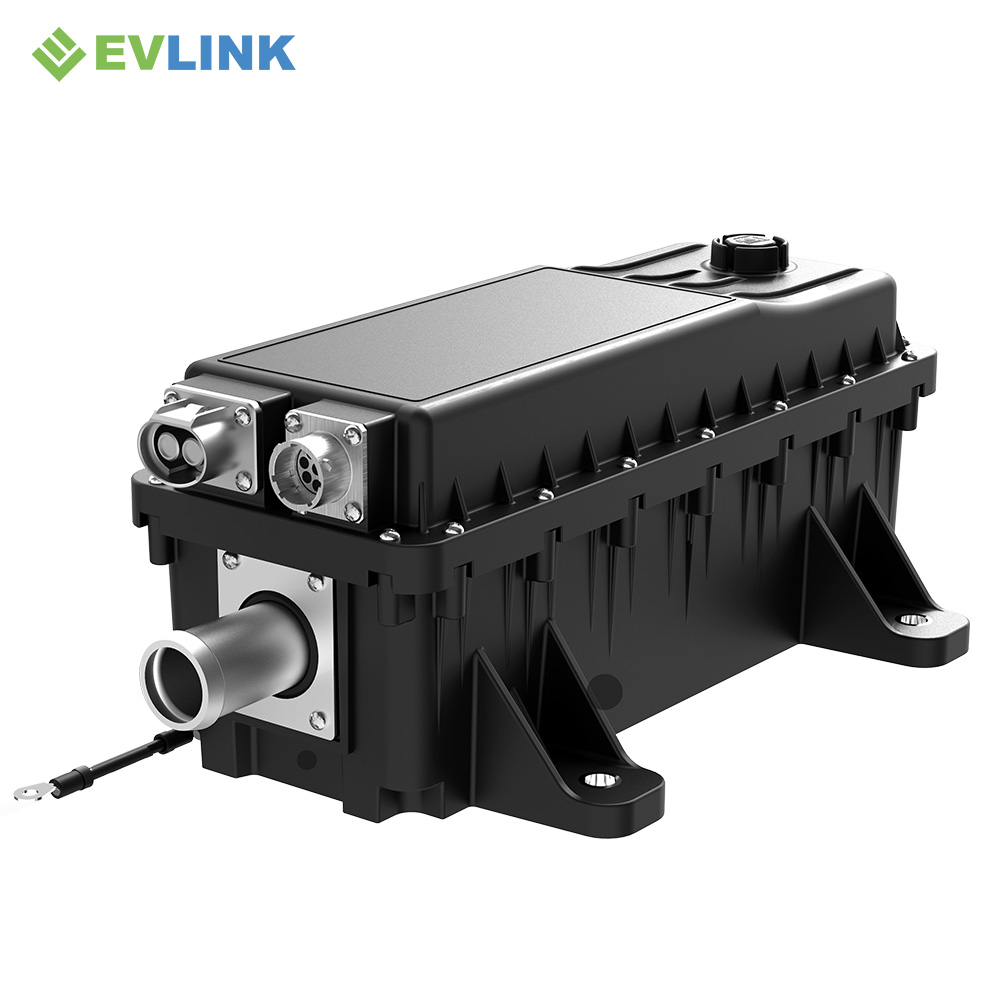
800v 35kw

Rated Voltage:Customizable
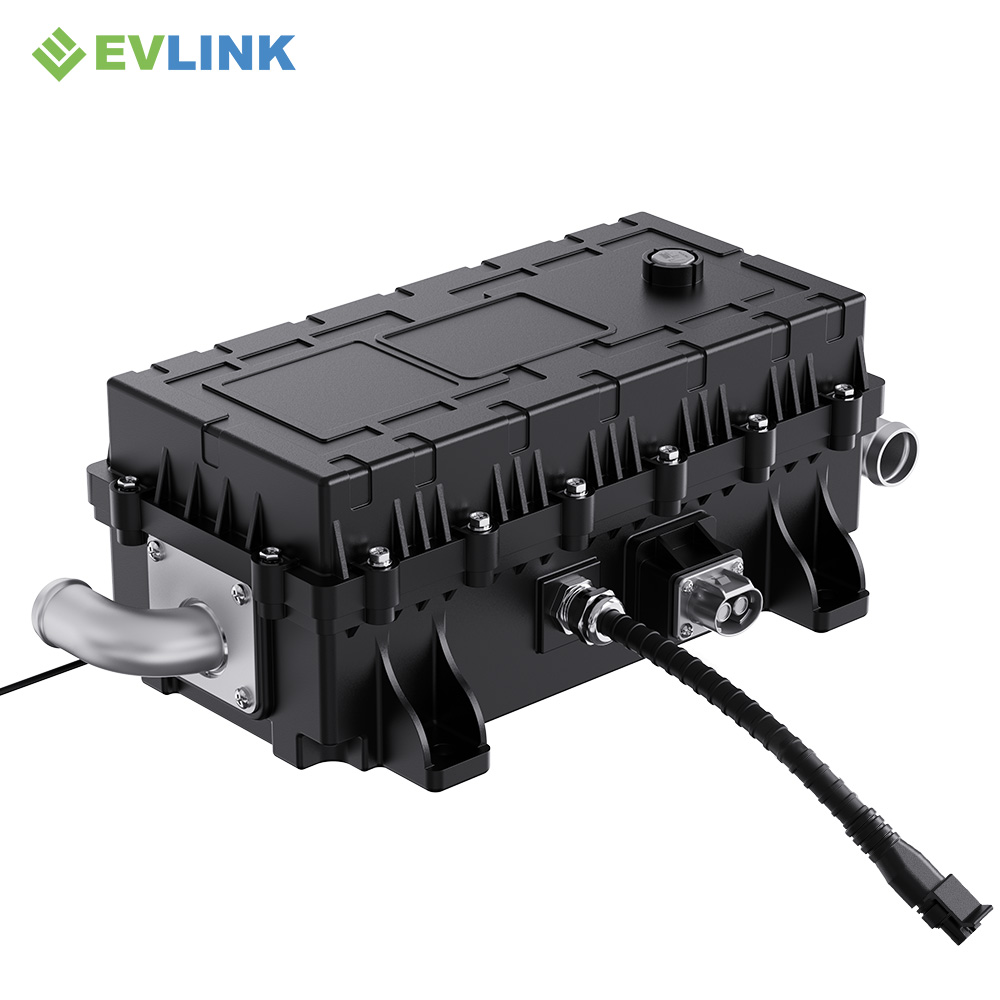
800v 35kw

Rated Voltage:Customizable
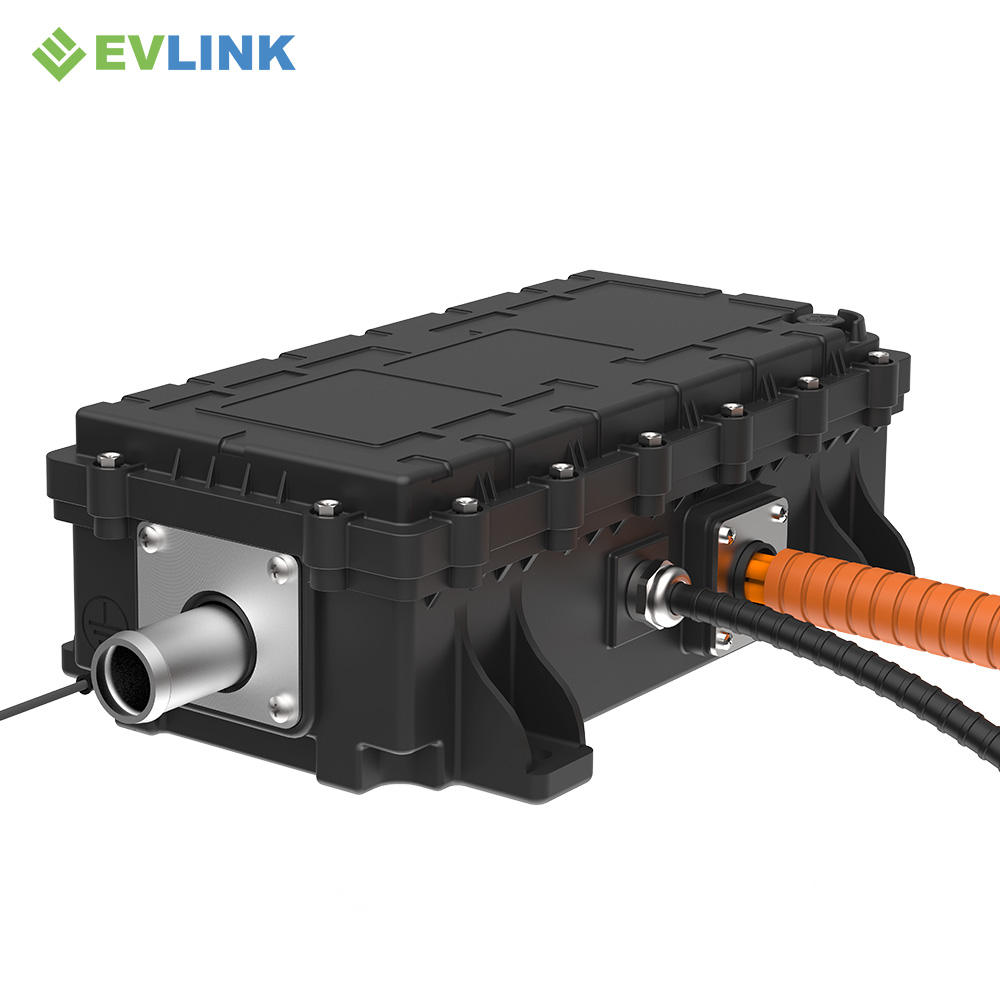
800v 35kw

Rated Voltage:Customizable
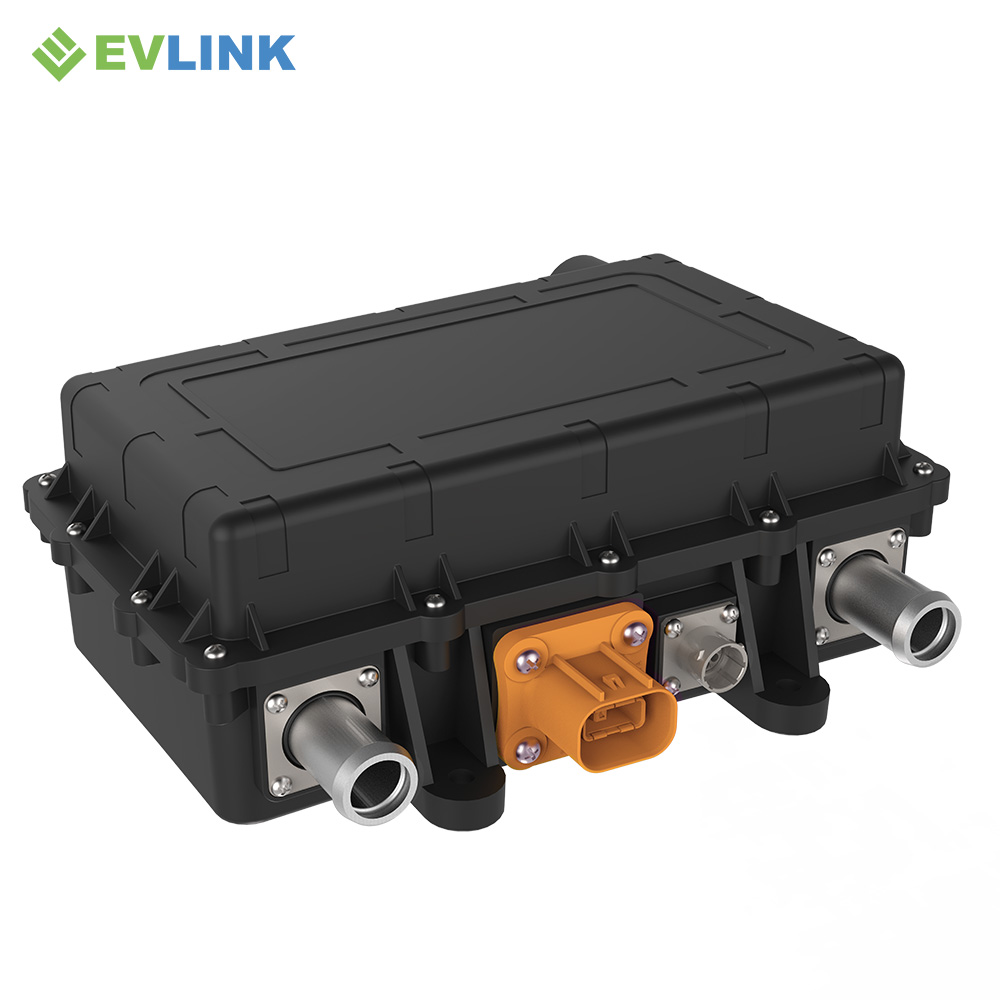
800v 35kw

Rated Voltage:Customizable
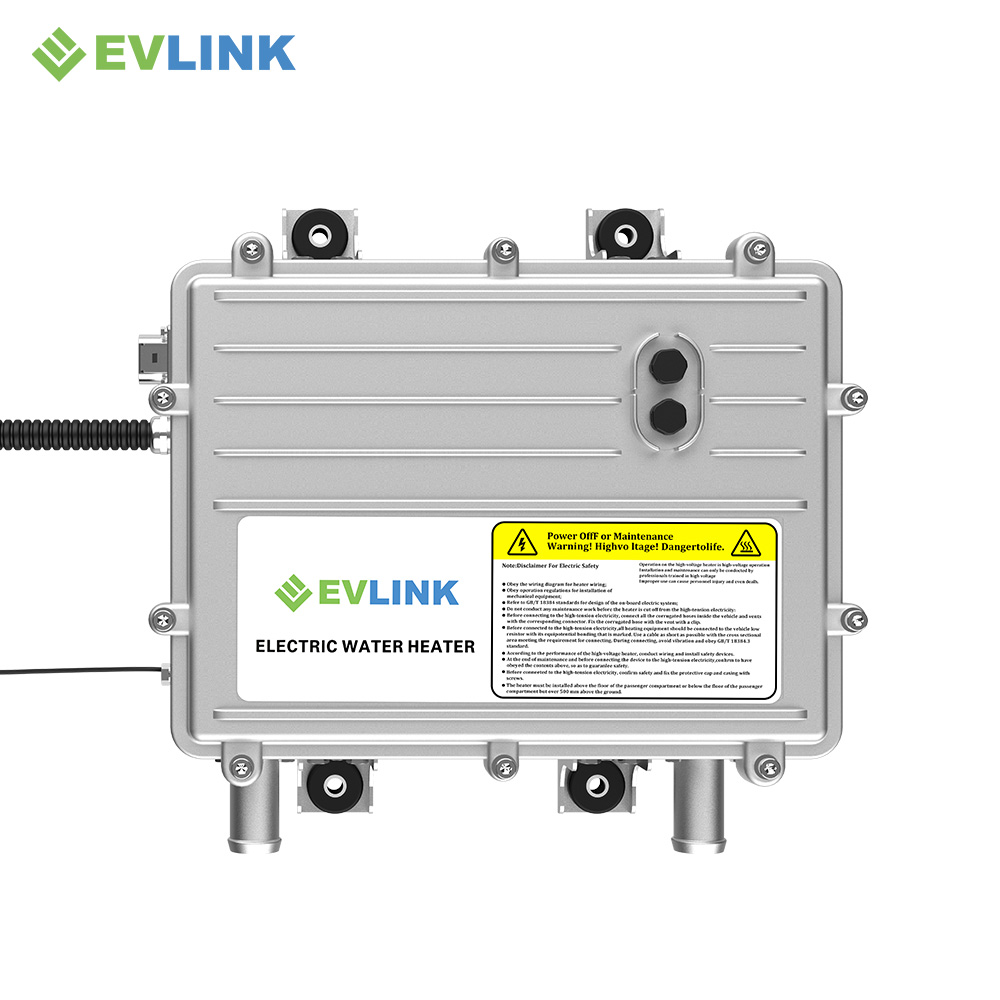
600v 30kw

Rated Voltage:Customizable
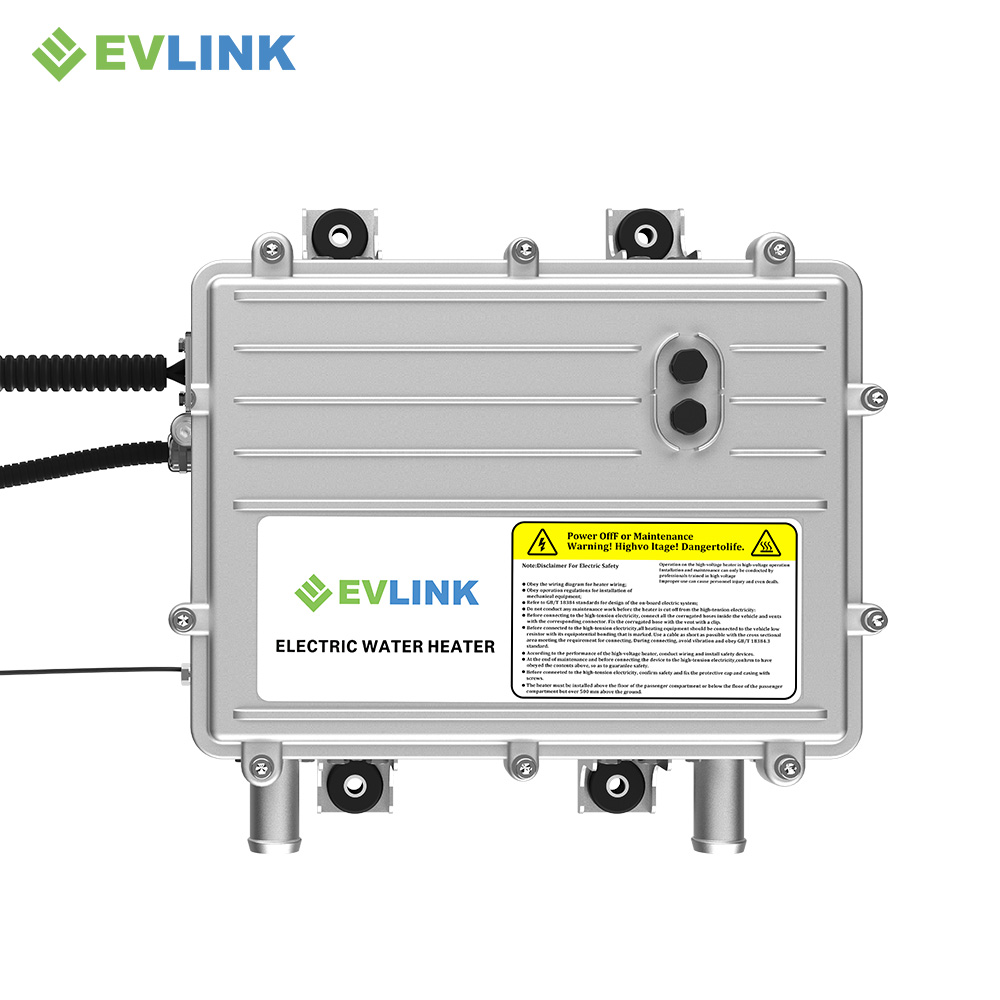
600v 30kw

Rated Voltage:Customizable
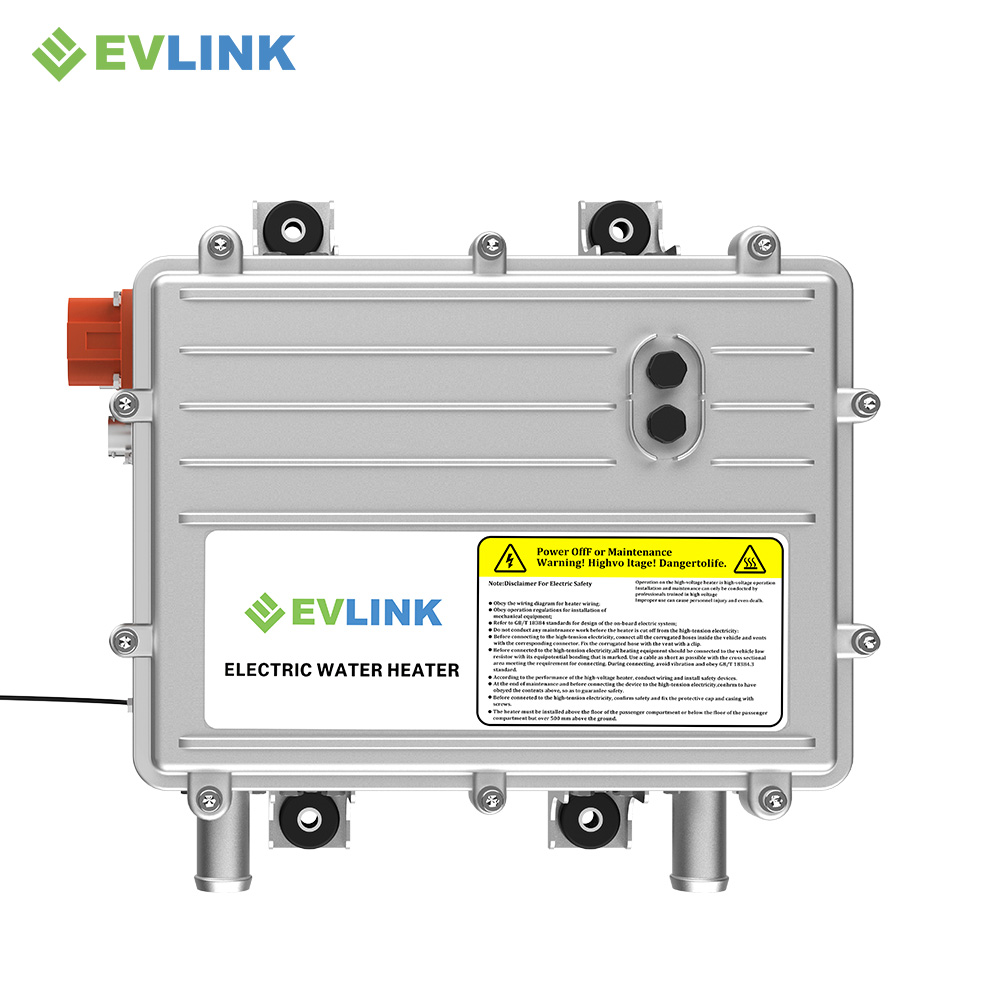
600v 30kw

Rated Voltage:Customizable
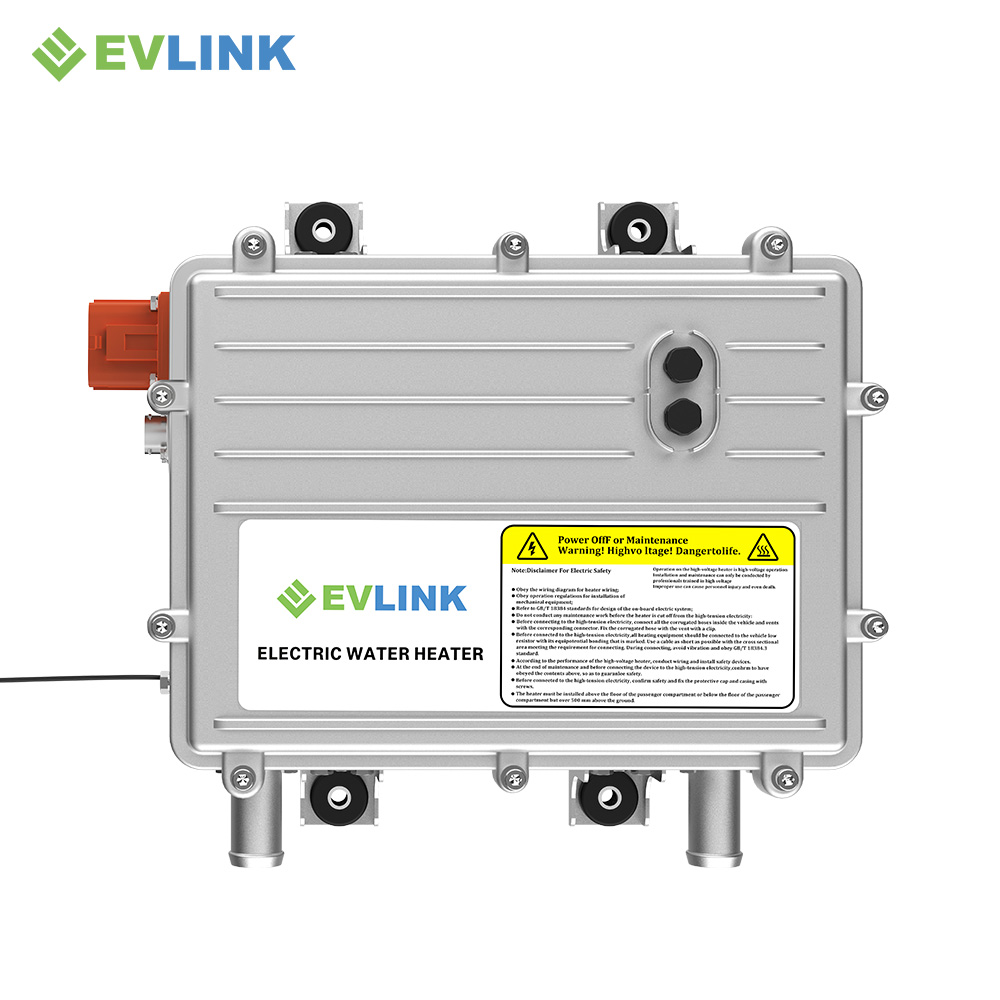
600v 30kw

Rated Voltage:Customizable
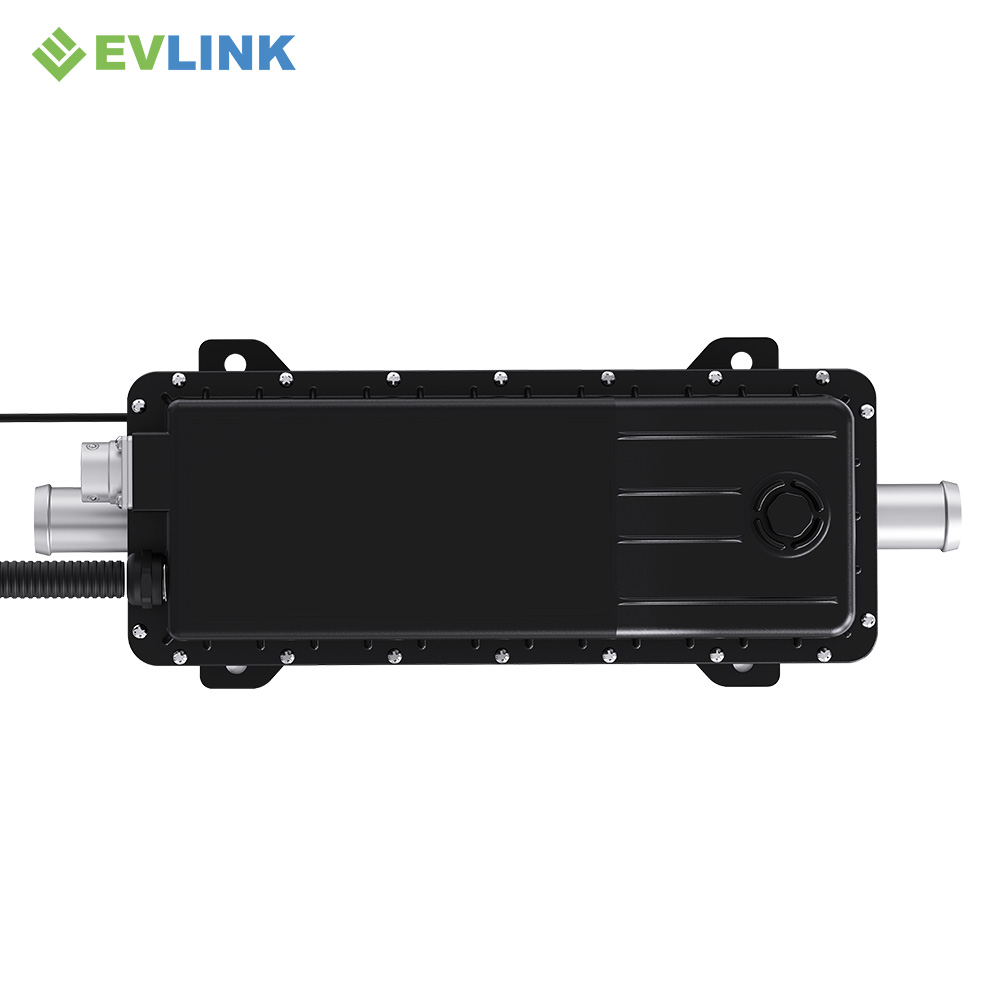
600v 30kw

Rated Voltage:Customizable
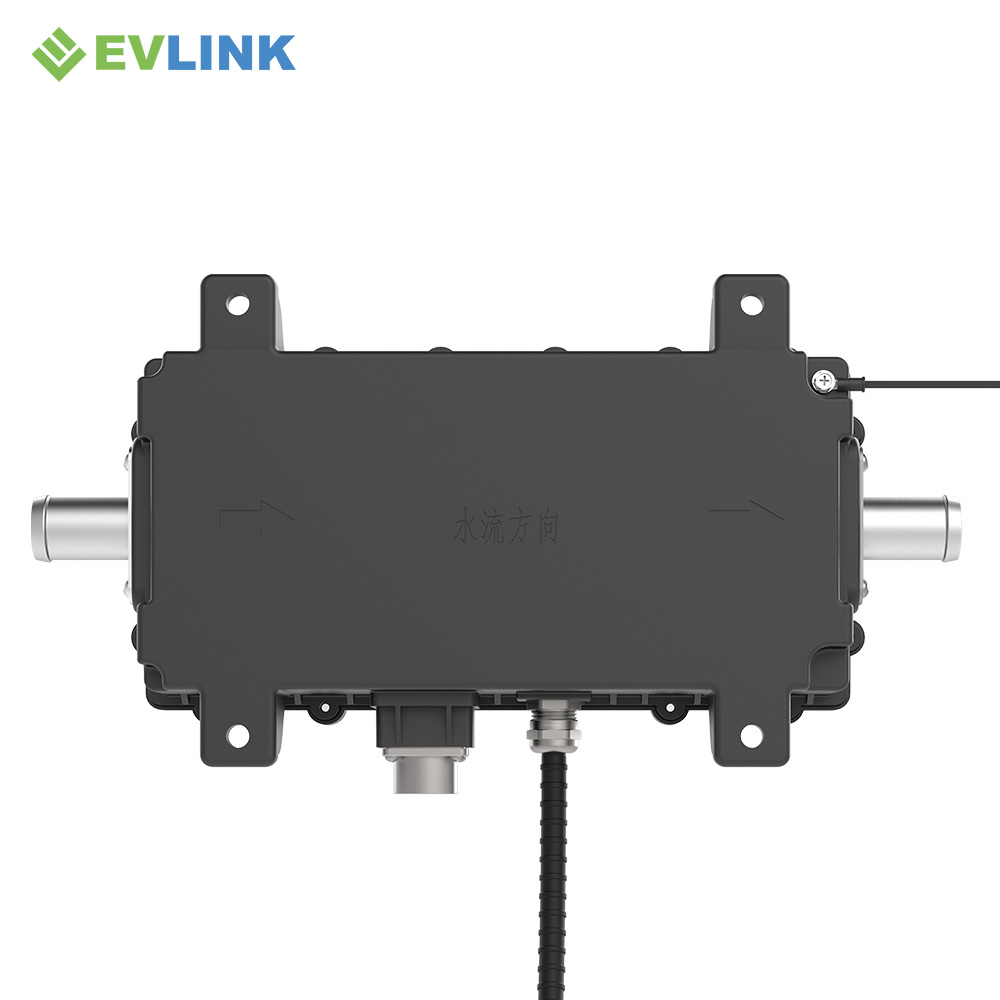
600v 30kw

Rated Voltage:Customizable
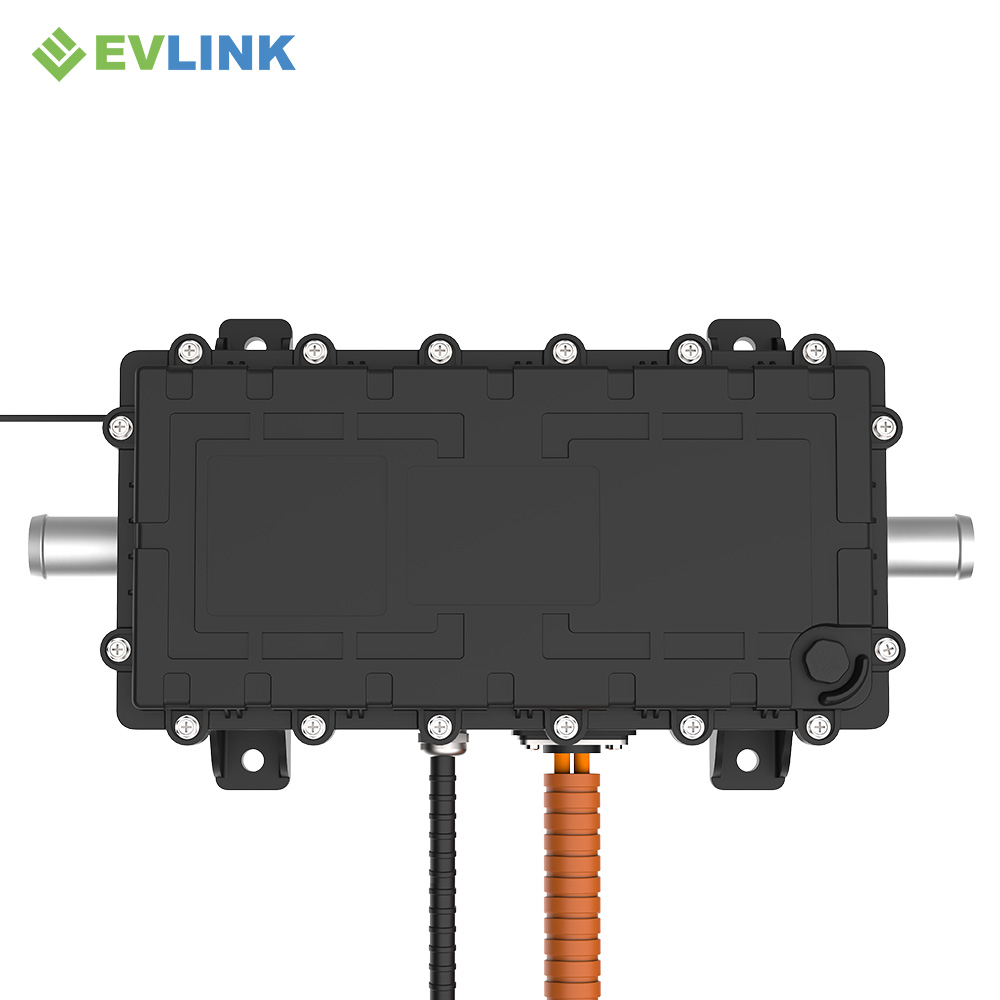
600v 30kw

Rated Voltage:Customizable
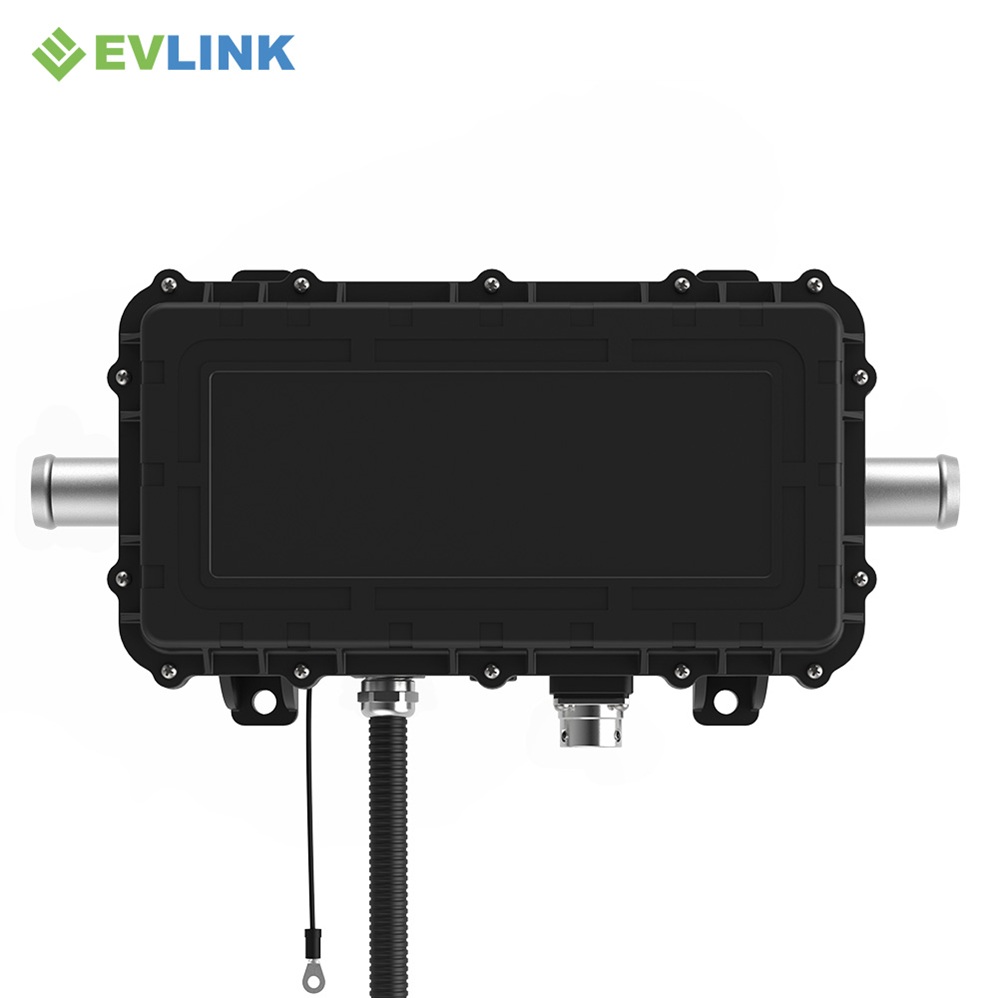
600v 30kw

Rated Voltage:Customizable
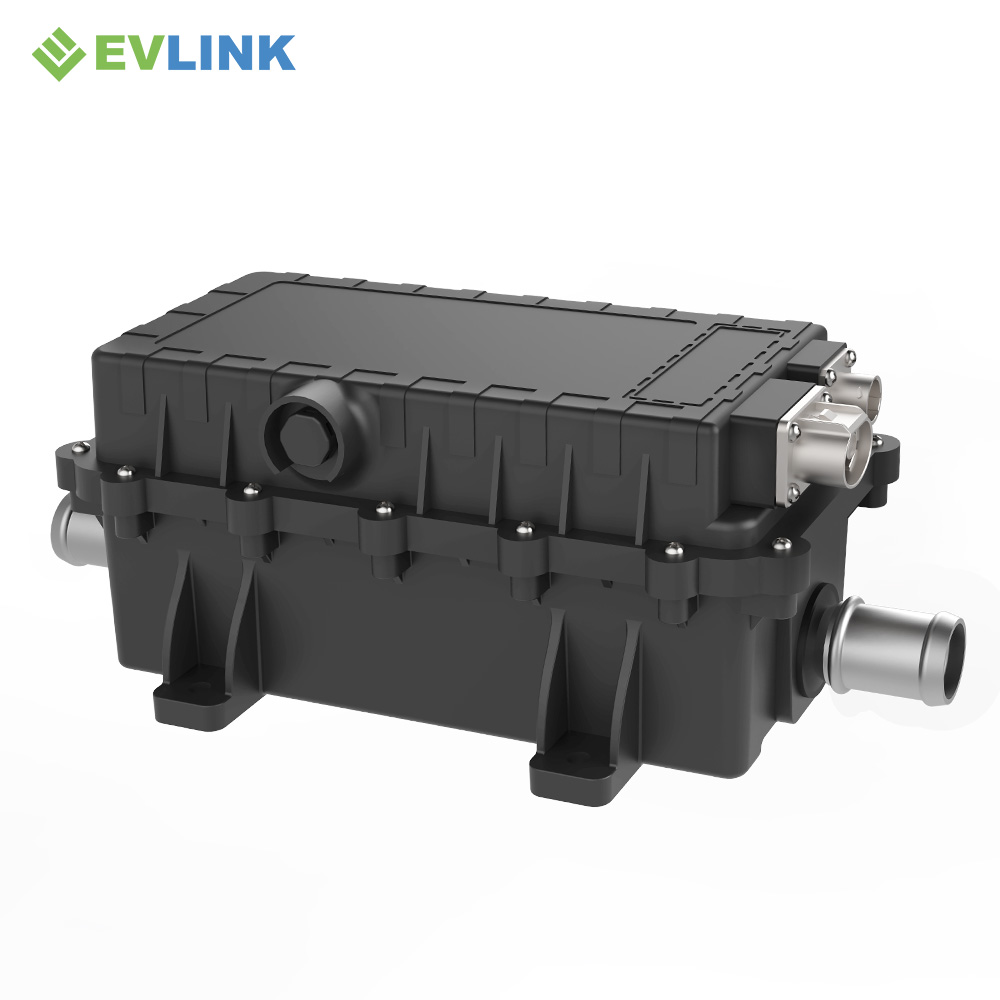
400v 24kw

Rated Voltage:Customizable
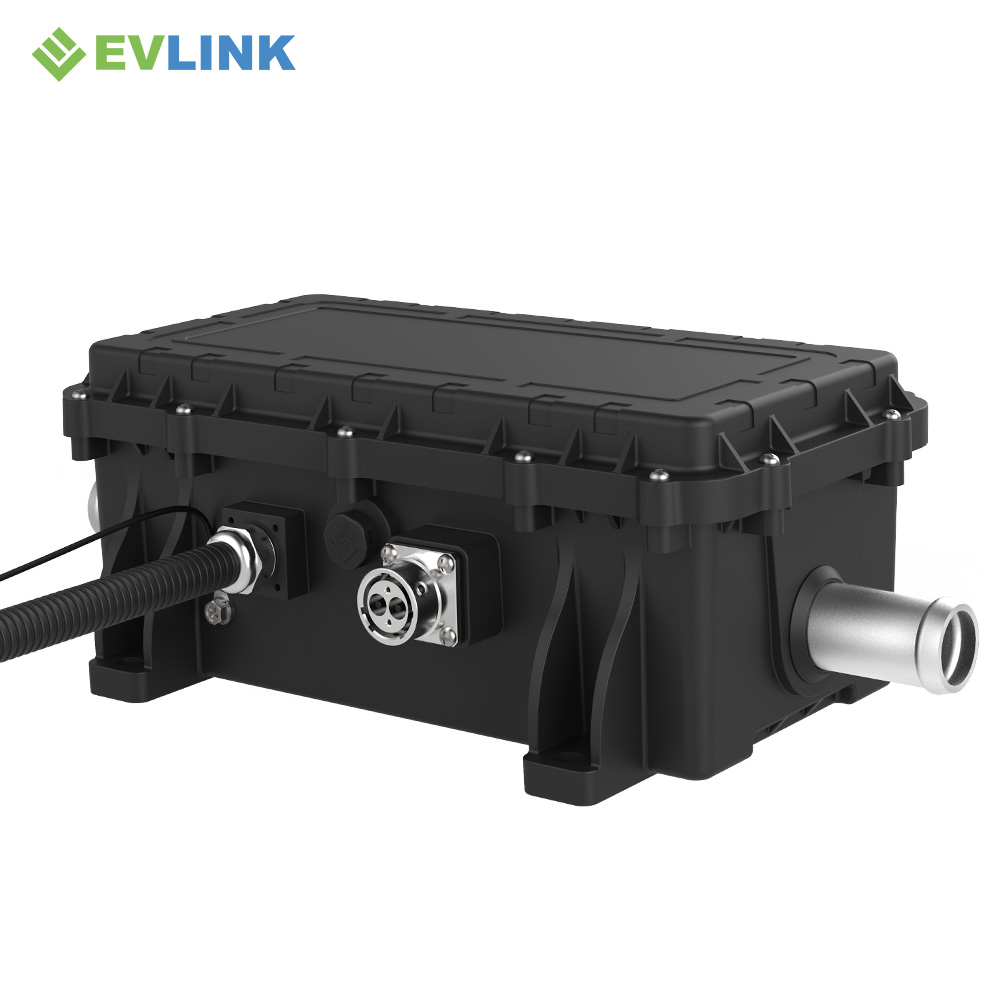
400v 24kw

Rated Voltage:Customizable
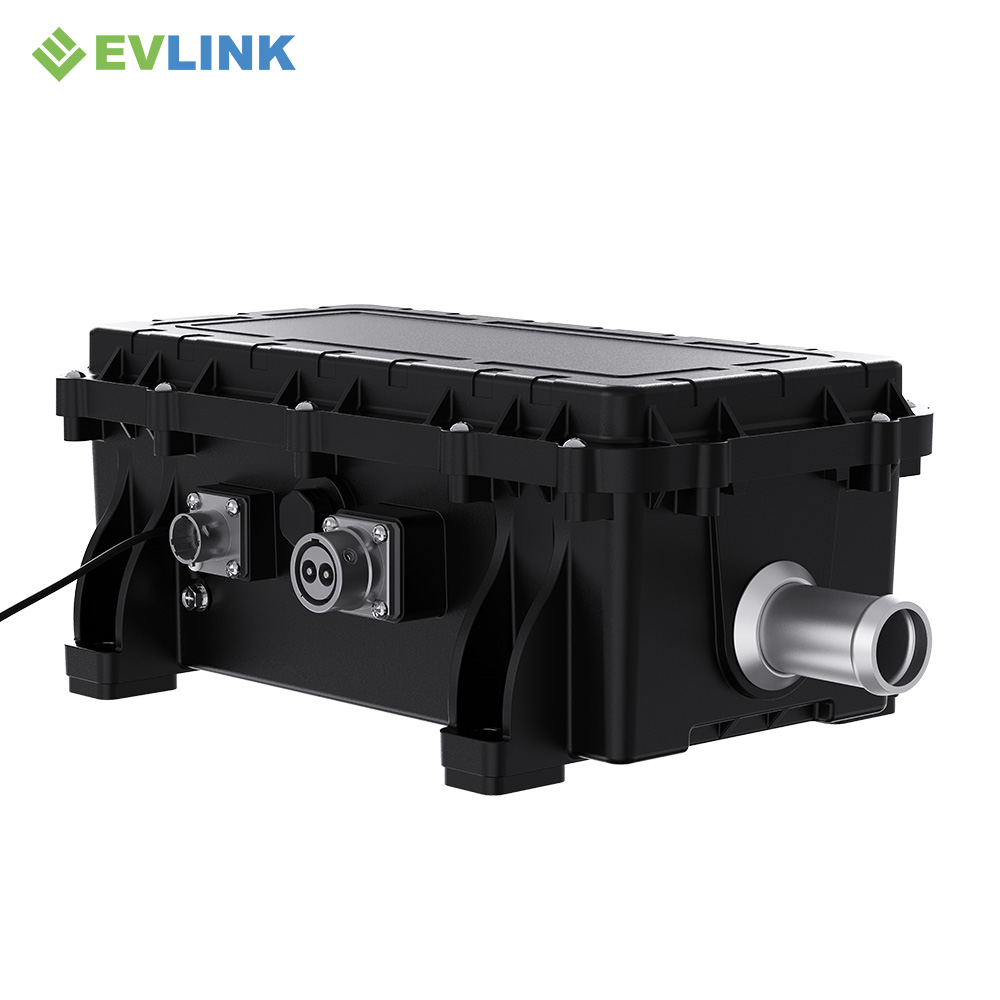
400v 24kw

Rated Voltage:Customizable
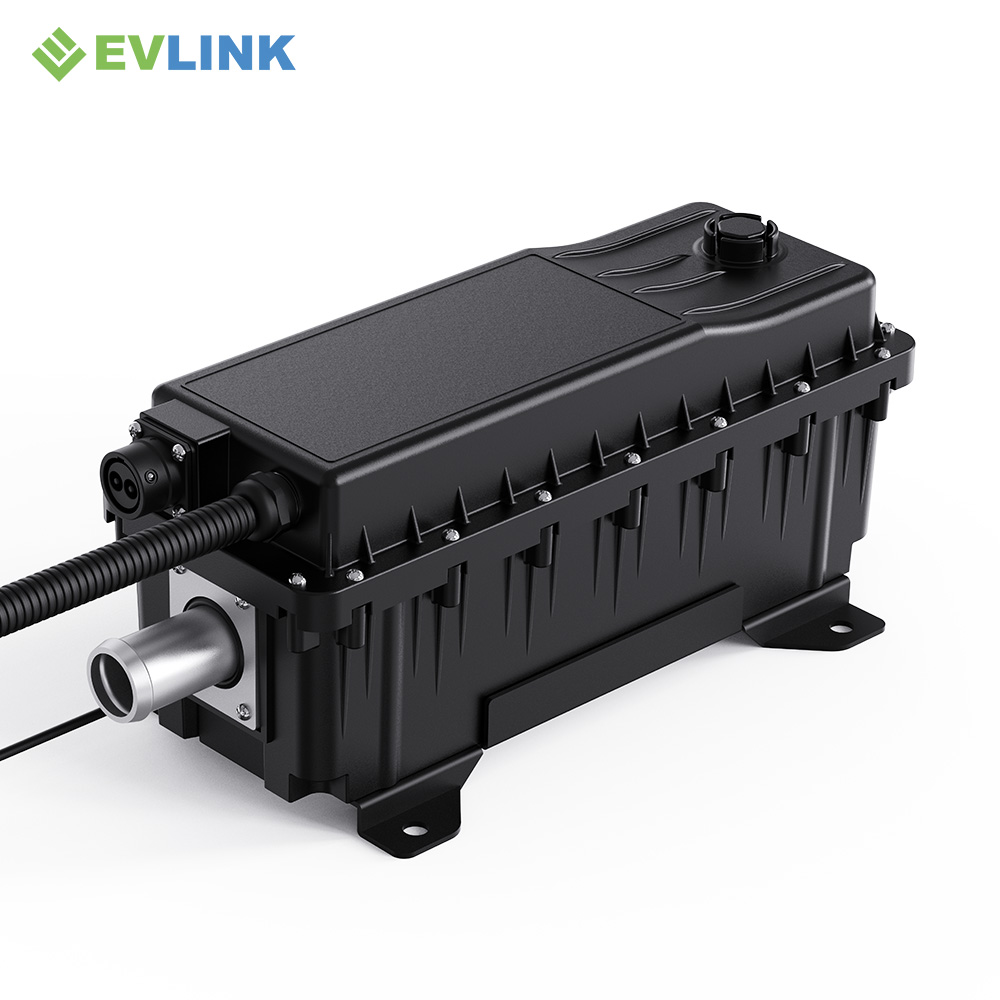
400v 24kw

Rated Voltage:Customizable
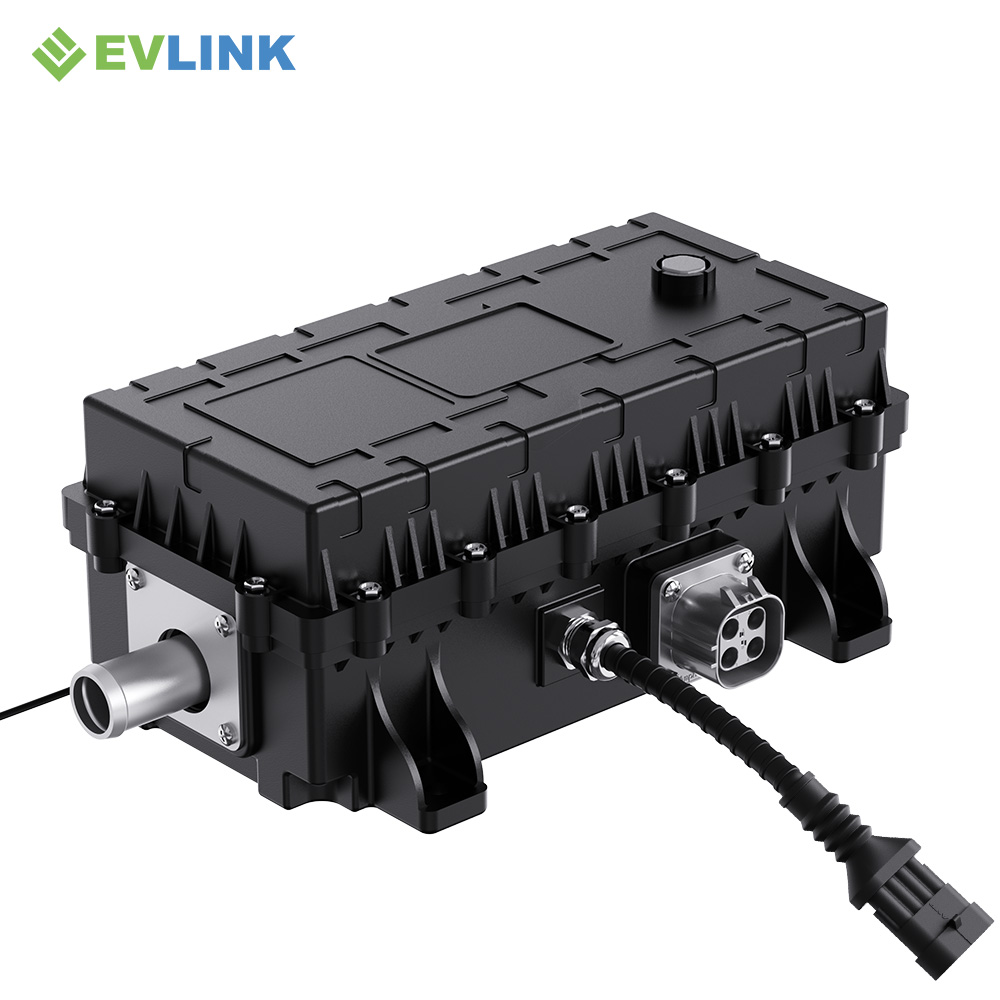
400v 24kw

Rated Voltage:Customizable
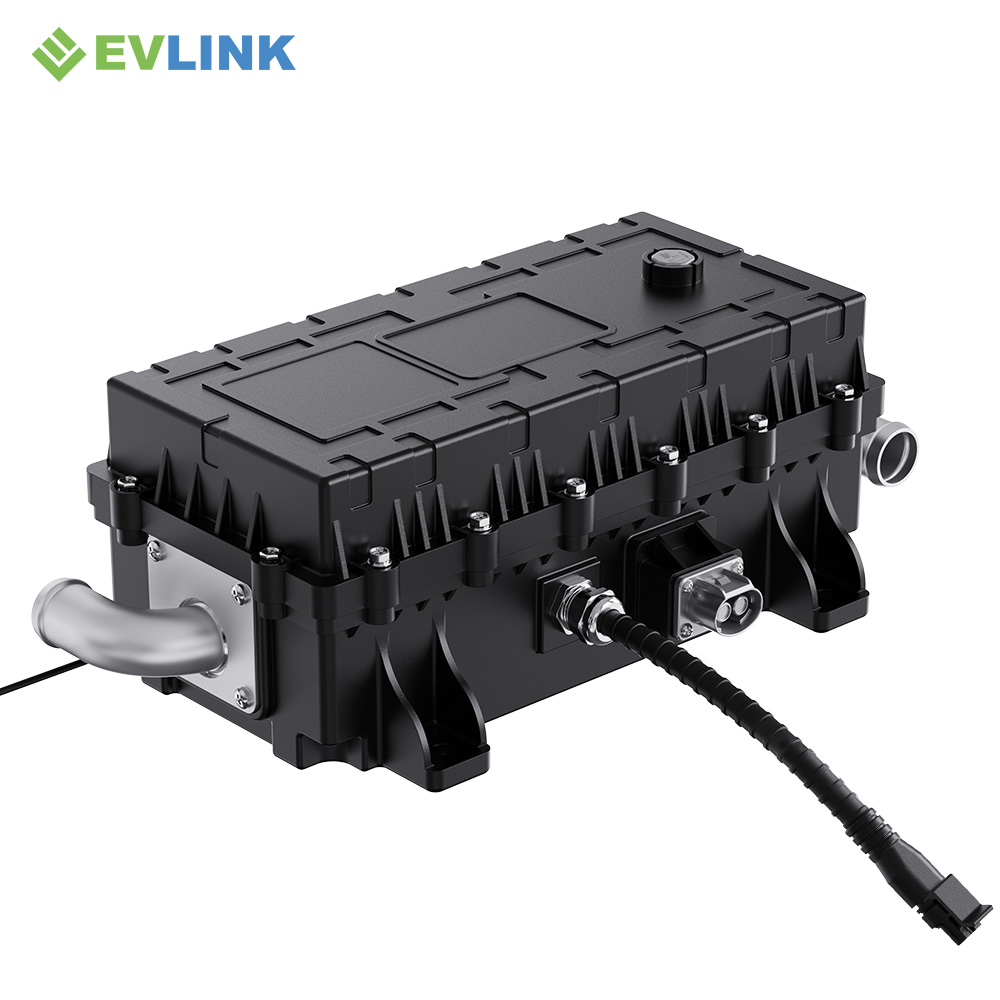
400v 24kw

Rated Voltage:Customizable
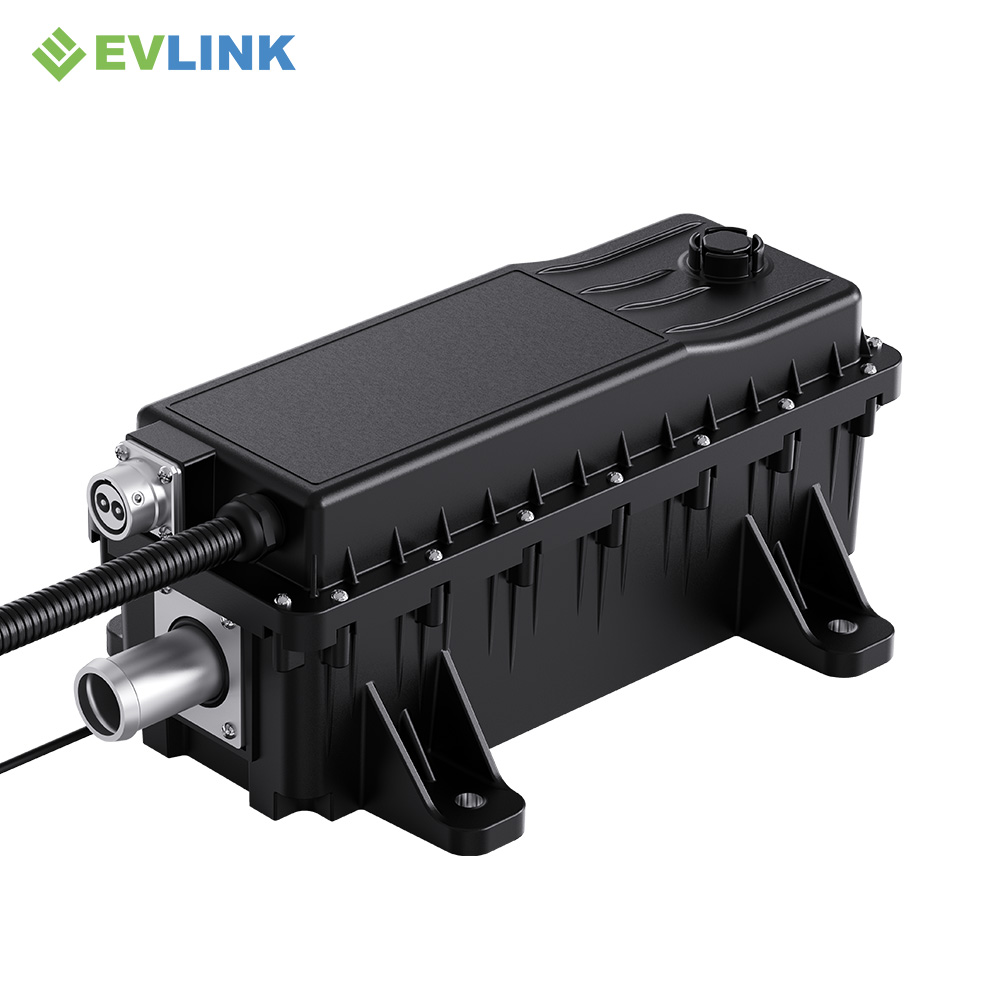
400v 24kw

Rated Voltage:Customizable

400v 24kw

Rated Voltage:Customizable
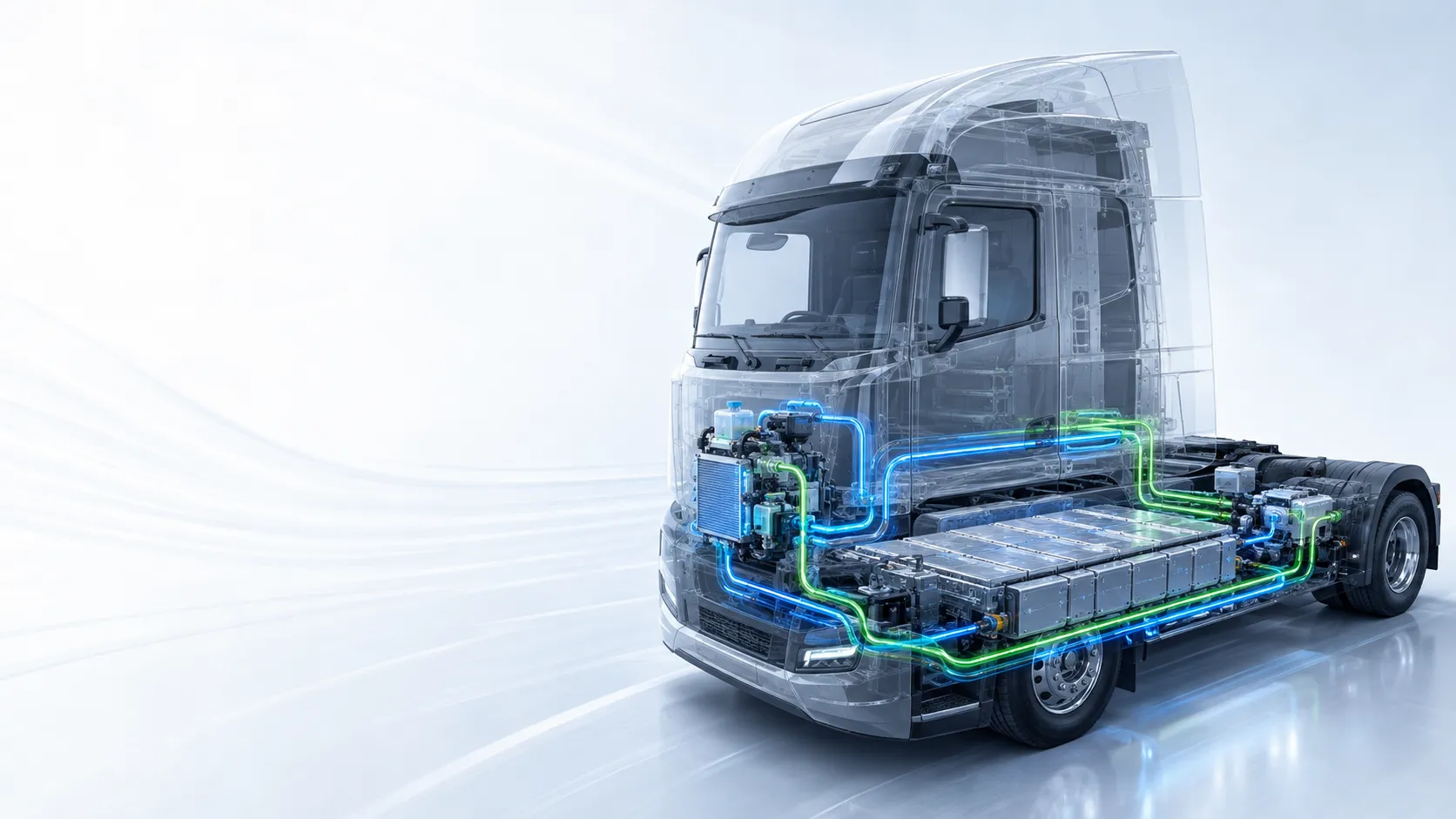
BUYER COMPARISON

Compare Models Using Decision-Critical Data

Every real model card and child page should expose the same fields so engineering and purchasing teams can compare quickly.

Electrical

Rated power; nominal, minimum and maximum HV input; LV supply; current limits; pre-charge; HVIL.

Thermal & Hydraulic

Output at defined conditions; inlet/outlet limits; coolant; flow; pressure drop; dry-run logic.

Mechanical

Dimensions; mass; mounting; orientation; port type and direction; connector and harness clearance.

Control & Safety

CAN messages; command modes; feedback; diagnostics; derating; overtemperature and insulation protection.

Environment

Operating and storage temperature; altitude; vibration; ingress protection and duty cycle.

Validation

Test standards, conditions, reports, sample revision, deviations and acceptance criteria.

Commercial

Prototype availability, lead time, MOQ, forecast volume, change control and release status.

APPLICATIONS

High Voltage Coolant Heater Application Pathways

The application page explains duty and system needs; the model page confirms the exact heater configuration.

Electric Bus

electric-bus

Battery conditioning and passenger/cabin heating around repeated route duty.

Electric Truck

Cold-start and battery preconditioning for long-haul and regional duty.

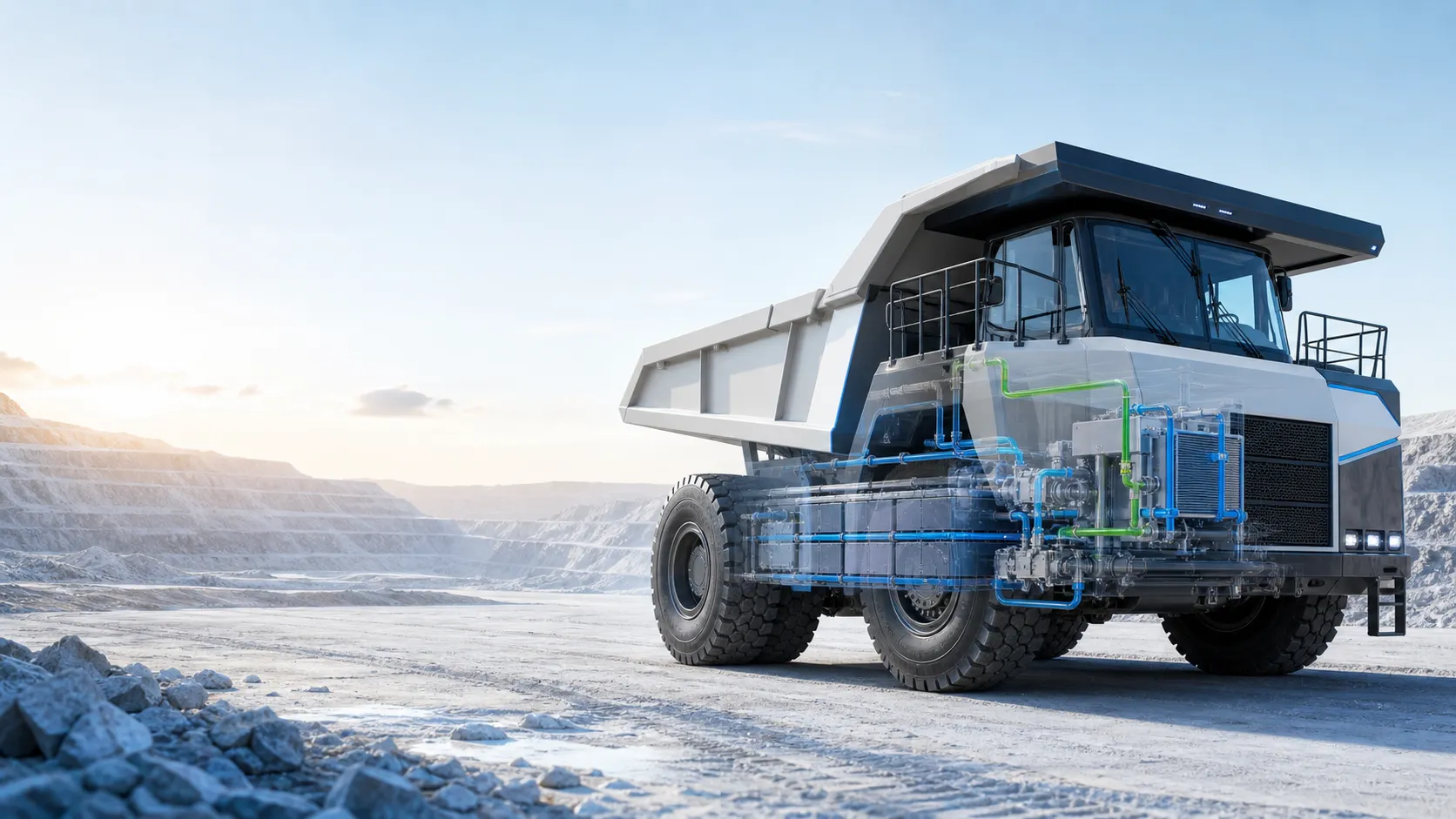
Electric Mining Truck

Electric Mining Truck

Heavy-duty heating designed around dust, vibration and extreme operating conditions.

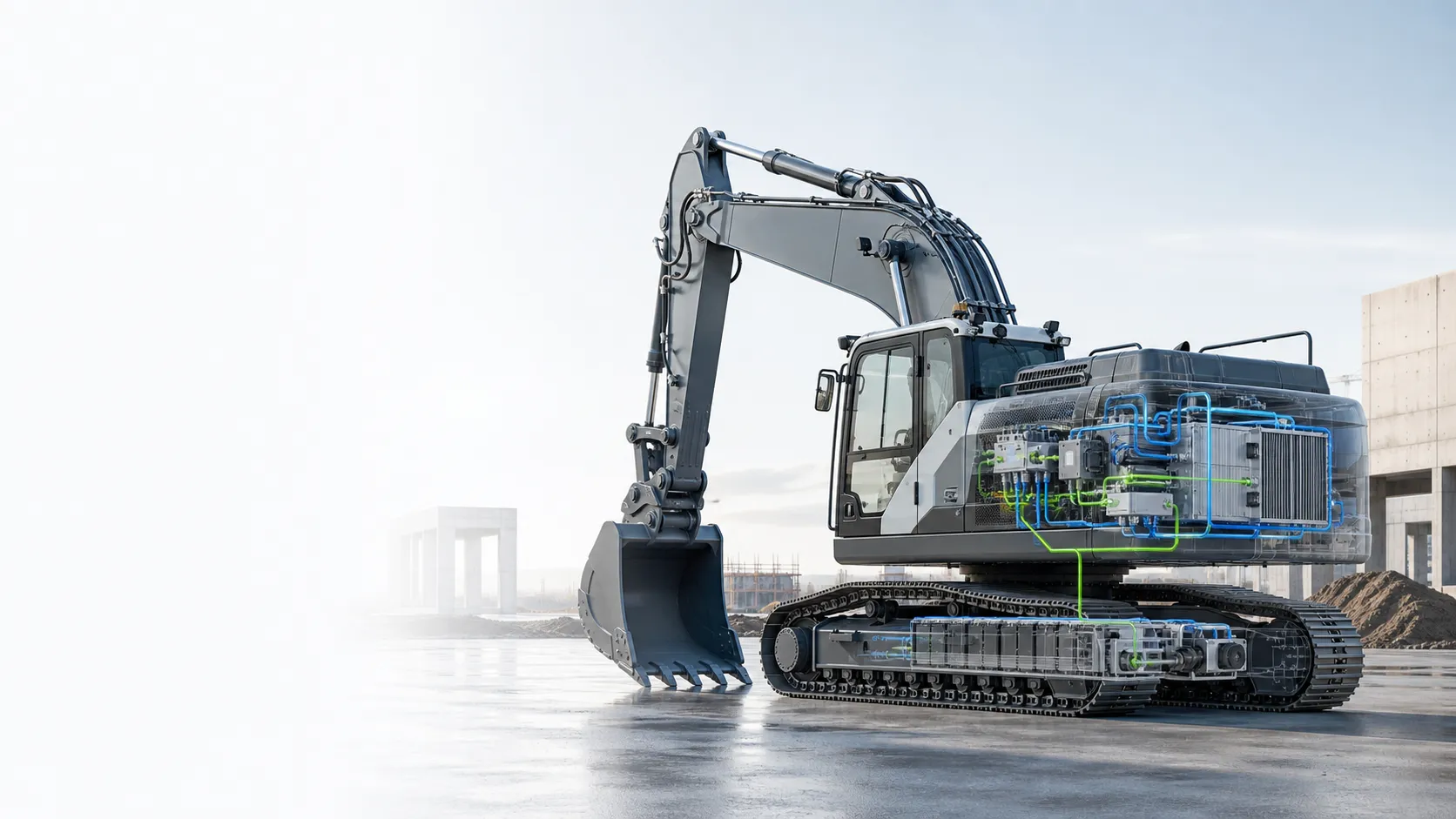
Construction Machinery

Construction Machinery

Machine-specific coolant heating for off-highway duty and installation constraints.

Agricultural Machinery

Agricultural Machinery

Seasonal, cold-start and mixed-duty thermal management for electric machinery.

Energy Storage

Data Center Liquid Cooling

Project-specific liquid-loop heating where the released heater configuration is suitable.

ENGINEERING INTEGRATION

From Heater Selection to Vehicle Release

The heater must work inside the vehicle’s complete thermal, electrical and control architecture. EVLINK can review requirements, sizing, package, interfaces, CAN, prototype integration and validation scope.

01 | Requirement Review

Thermal load, voltage, coolant, environment, standards and project timing.

02 | Product Selection

Match a released heater series to the operating window and installation constraints.

03 | Integration & Validation

Close drawings, interfaces, CAN, samples, tests and release documentation.

Q-SERIES VALIDATION

Laboratory Testing for Vehicle Integration Confidence

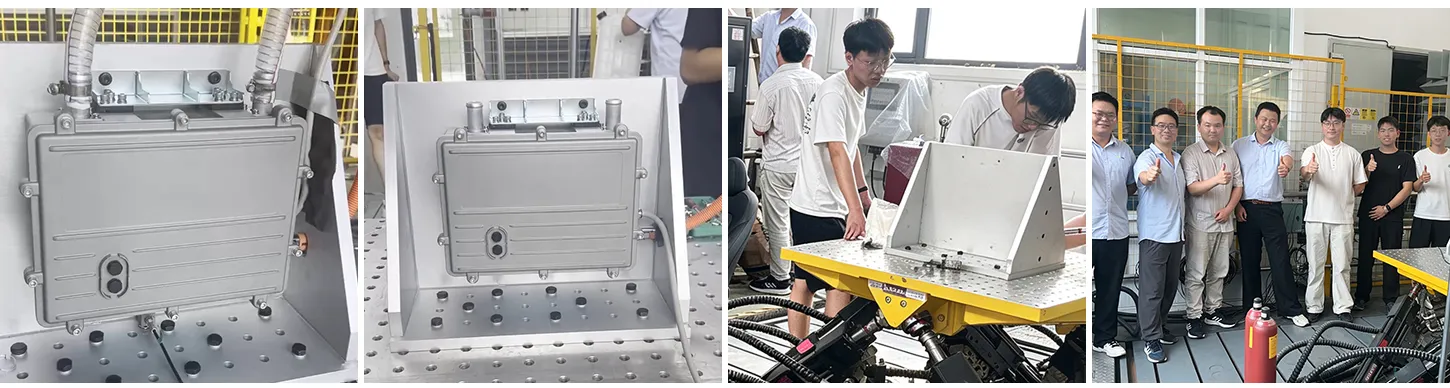
EVLINK has completed Q-series PTC coolant-heater laboratory validation activities at Shanghai University of Engineering Science (SUES), including the documented vibration-test setup and related water-circulation and powered-performance evaluation.

Ask our engineers for the applicable validation matrix and available evidence for your selected model and operating conditions.

TECHNICAL INSIGHTS

Plan the Heater Before You Freeze the Package

Use engineering articles to answer pre-selection questions and link readers back to this collection page and the correct released model.

How to Size an HVCH

Estimate the thermal load, heat-up time and losses before choosing rated power.

HVCH Wiring and CAN

Define HV, LV, HVIL, commands, feedback, faults and control responsibility.

Coolant Flow and Pressure Drop

Understand how circuit conditions affect delivered heating and protection logic.

FREQUENTLY ASKED QUESTIONS

HVCH Selection and Model Page FAQ

Clear answers for engineering, purchasing and program teams.

Provide the vehicle type, heating objective, battery or cabin thermal load, nominal and operating high-voltage range, low-voltage supply, coolant, flow and pressure conditions, target inlet and outlet temperatures, installation space, connectors, CAN requirements, ambient conditions and validation standards.

Only when it is a real released model or a technically distinct series with unique specifications, drawings and buyer value. Do not create near-duplicate pages merely by changing a power or voltage keyword.

It may be possible within a coordinated coolant architecture, but the answer depends on thermal load, circuit topology, valves, pump capacity, control strategy and operating priority. EVLINK should review the system conditions before confirming a model.

Confirm the released model, rated and operating voltage, output at the required coolant conditions, flow direction, pressure drop, coolant compatibility, mounting, HV/LV interfaces, HVIL, CAN messages, protection logic and validation plan.

No. Portfolio-level values describe the overall public range and must not be applied to an individual model without its released datasheet. The exact configuration is confirmed during selection.

Send the project requirement package together with the expected prototype timing and forecast volume. A quotation becomes reliable after the technical configuration and scope are confirmed.

TALK TO EVLINK ENGINEERING

Define the Right Electric Compressor Configuration

Share the operating points, voltage window, refrigerant, control interface, installation space, NVH target and validation plan.

Submit Your Sourcing Request

To make it easier for you to receive a quote, simply leave your information, and we will contact you as soon as possible.

Contact Form Demo