Book Appointment Now



Electric vehicles require a very different heating strategy from conventional gasoline or diesel vehicles.
In an internal-combustion vehicle, waste heat from the engine can be used to warm the cabin and coolant circuit. A battery electric vehicle does not have the same continuous source of waste heat. When ambient temperatures fall, the vehicle therefore needs an independent and controllable source of thermal energy.
This is where the High Voltage Coolant Heater, commonly known as an HVCH, becomes an important part of the EV thermal management system.
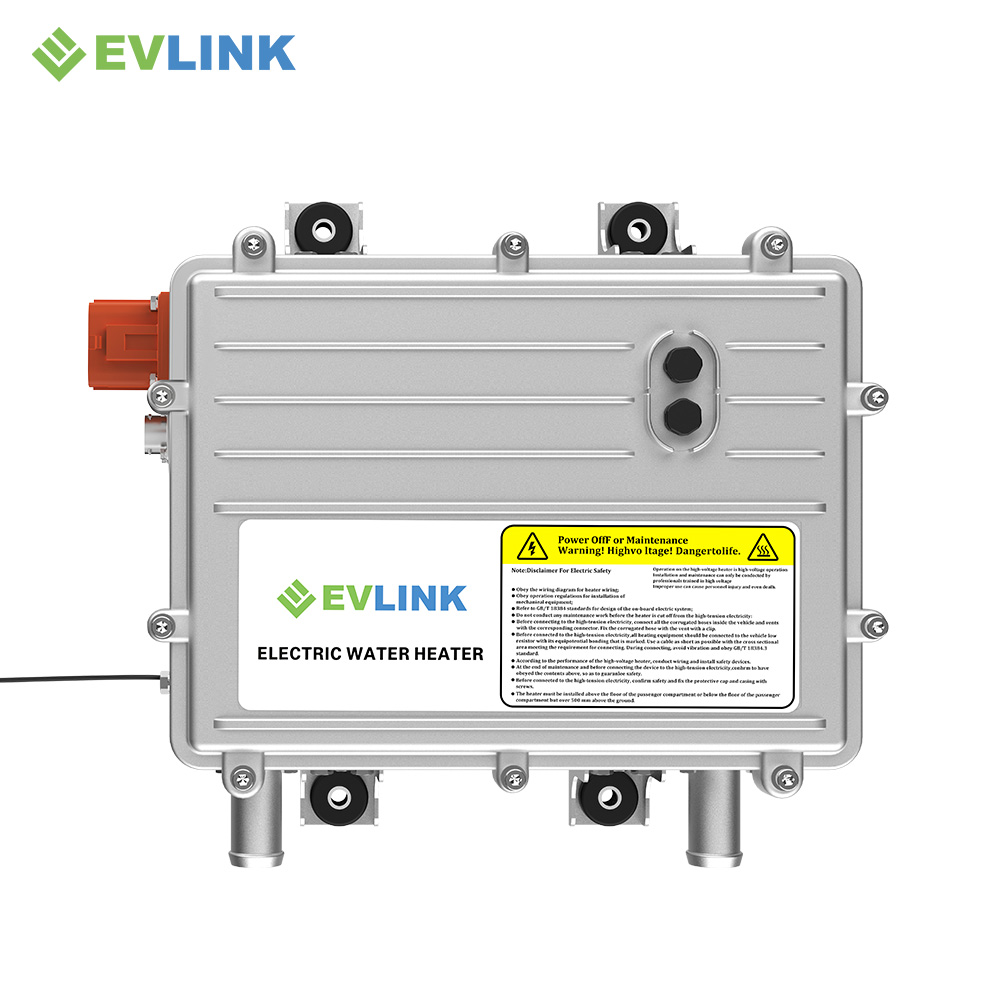
A High Voltage Coolant Heater converts electrical energy from the vehicle’s high-voltage system into heat and transfers that energy into circulating coolant.
The heated coolant can then be used for cabin heating, battery temperature conditioning, defrosting, and other thermal management requirements.
But in an actual vehicle project, an HVCH is more than simply a heater.
Its voltage range, heating power, coolant flow, CAN communication, installation position, protection strategy, and vehicle control logic all need to work together.
So how does the system actually work?
The basic process can be divided into five stages.
The HVCH is connected to the vehicle’s high-voltage electrical system.
Depending on the vehicle architecture, the heater may be designed for different voltage platforms, such as:
The nominal platform voltage is only part of the specification.
For an OEM project, engineers also need to consider the actual operating voltage range, power demand, electrical interface, insulation requirements, and vehicle control strategy.
When the vehicle requests heating, the heater receives electrical power from the high-voltage system.
It does not necessarily operate at full power continuously. Heating output can be adjusted according to the real-time thermal demand of the vehicle.
Inside the heater, electrical energy is converted into thermal energy by the heating element.
In PTC-based coolant heater designs, the characteristics of the PTC heating material contribute to stable and controllable heat generation as temperature changes.
Different heater designs may use different internal heating technologies, but the engineering objective is the same:
Generate heat quickly, safely, and efficiently from the vehicle’s high-voltage power supply.
Fast heat generation is particularly important for commercial electric vehicles.
An electric bus starting operation on a cold winter morning, for example, cannot wait for another vehicle component to gradually create enough waste heat for the cabin.
The thermal system needs to respond quickly.
The High Voltage Coolant Heater is installed as part of the vehicle’s liquid thermal management circuit.
A coolant pump circulates fluid through the heater.
As coolant passes through the internal heat-transfer area, heat from the heating element is transferred into the coolant.
The warmed coolant then leaves the heater and continues through the thermal circuit.
The basic flow looks like this:
High-Voltage Power
        ↓
High Voltage Coolant Heater
        ↓
Thermal Energy
        ↓
Circulating Coolant
        ↓
Battery / Cabin / Thermal System
Using coolant as the heat-transfer medium gives vehicle engineers flexibility.
The heater does not need to be located directly beside the component that requires heat. Thermal energy can be transported through the coolant circuit to different parts of the vehicle.
Once the coolant reaches the required temperature, it can be directed to different thermal loads.
One of the most common functions is cabin heating.
Heated coolant passes through a heat exchanger. Air moves across the heat exchanger and transfers thermal energy into the passenger compartment.
This is especially important for:
These vehicles may operate for long periods in cold environments, so stable heating is not simply a comfort feature.
It can be part of the vehicle’s normal operating requirements.
The battery is another major thermal load.
Battery performance is strongly influenced by temperature.
At low temperatures, battery performance and charging capability can be reduced. Before driving or charging, the thermal management system may therefore need to raise the battery temperature toward the required operating range.
A High Voltage Coolant Heater can supply thermal energy to the battery coolant circuit as part of a Battery Thermal Management System (BTMS).
Depending on the vehicle architecture, the battery and cabin may use separate circuits or share thermal energy through valves, pumps, and heat exchangers.
Cold-weather performance is also related to vehicle safety.
The HVAC system must provide enough heat to support:
For an electric vehicle without engine waste heat, the coolant heater becomes an important source of controllable thermal energy.
Modern EV thermal management systems are increasingly software-controlled.
A High Voltage Coolant Heater therefore does not simply turn on and off.
It needs to communicate with the vehicle control system.
In many OEM projects, this communication is handled through CAN communication.
Depending on the project, the vehicle may send commands such as:
The heater may return information such as:
The exact CAN protocol depends on the vehicle manufacturer and system architecture.
This is why CAN integration should normally be discussed early in a vehicle development project.
A heater may have the correct voltage and heating power but still require engineering work before it can communicate correctly with the vehicle controller.
The role of an HVCH becomes clearer when looking at the complete electric vehicle thermal system.
It can support several important functions at the same time.
Electric vehicles cannot rely on combustion-engine waste heat.
A dedicated electric coolant heater can provide heat immediately when required.
For buses and commercial vehicles with large cabin volumes, this becomes particularly important during winter operation.
Battery temperature affects both performance and charging.
By supplying heat to the battery coolant circuit, an HVCH can help support battery preheating and cold-weather temperature management.
Because heat is transported by coolant, the vehicle manufacturer has more flexibility when designing the overall thermal system.
One heater may support different functions depending on:
This allows the thermal management system to distribute heat according to actual vehicle requirements.
There is no single HVCH power level suitable for every vehicle.
Selecting the correct heater requires several engineering inputs.
A passenger vehicle, city bus, heavy truck, and electric mining truck have very different thermal loads.
Larger vehicles generally require greater heating capacity.
Operating environment is one of the most important factors.
A vehicle working in mild weather has very different requirements from a truck or mining vehicle expected to start and operate in extremely cold conditions.
For cold-climate projects, engineers should pay particular attention to:
Coolant flow affects the amount of heat that can be transferred through the system.
The heater, pump, coolant circuit, and vehicle controller must therefore be considered together.
Both insufficient and inappropriate flow conditions can affect system performance.
The heater must be compatible with the actual high-voltage architecture of the vehicle.
Common project platforms include:
400V / 600V / 800V
However, a project should never be selected only by the nominal voltage.
The actual working-voltage range needs to be confirmed.
Packaging is often one of the biggest challenges in commercial vehicle projects.
Engineers need to consider:
If a standard product cannot fit the available space, customized mechanical development may be required.
In an OEM project, control strategy can be just as important as mechanical installation.
A typical CAN integration may include:
Vehicle manufacturers may have different message definitions, communication timing, fault logic, and diagnostic requirements.
For this reason, cooperation between the heater supplier and the vehicle control engineering team is often required before prototype validation.
A High Voltage Coolant Heater operates inside a high-voltage electrical and liquid thermal system.
Protection and diagnostics are therefore important parts of the design.
Depending on the product and vehicle requirements, monitoring and protection may cover conditions such as:
The exact protection strategy should be evaluated according to the vehicle platform and application environment.
High Voltage Coolant Heaters are used in many types of electric vehicles—not only passenger cars.
Electric buses have large passenger compartments and frequent door opening.
During cold-weather operation, this can create a substantial cabin heating load.
The thermal system may also need to maintain battery temperature throughout daily operation.
Electric trucks require reliable heating while operating for long periods and under varying environmental conditions.
Important project considerations may include:
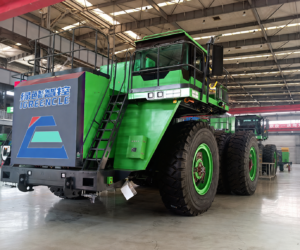
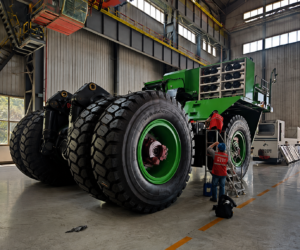
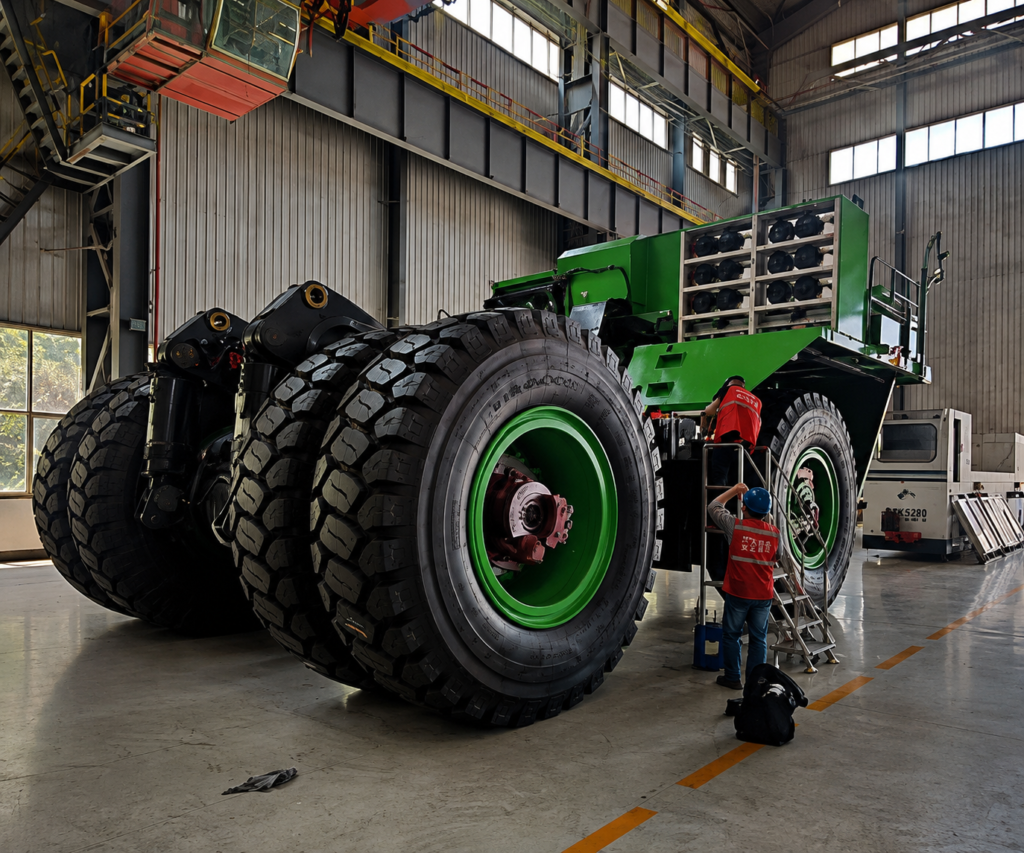
Mining vehicles can face especially demanding conditions.
Typical challenges include:
For these vehicles, selecting an HVCH based only on heating power is not enough.
The complete operating environment must be considered.
Electrified excavators, loaders, and other construction machines require thermal management for batteries, cabins, and high-voltage systems.
Packaging and vibration requirements can be very different from passenger vehicles.
Electric agricultural machinery may operate in cold, wet, dusty, or highly variable outdoor conditions.
Product durability, installation design, and system integration are therefore important parts of the heater selection process.
Providing complete project information can significantly improve the product-selection process.
Before contacting a supplier, it is useful to prepare the following:
For example:
For example:
The target power range in kW.
Including:
Including:
Including:
Including:
Including:
With this information, the engineering team can determine whether an existing product is suitable or whether customization is required.
For some projects, an existing standard heater can meet the vehicle requirements.
This can reduce development time.
However, commercial vehicle and off-highway projects often require customization.
Typical customized items may include:
The best solution depends on the vehicle platform and project requirements.
A successful HVCH project involves more than producing a prototype that can generate heat.
A typical engineering process may include:
Confirm the vehicle platform, voltage, heating power, coolant circuit, installation space, CAN requirements, and operating environment.
Select an existing product or develop a customized solution.
Produce samples for system and vehicle integration.
Verify:
Evaluate the product according to applicable project requirements, which may include:
Complete installation, CAN communication, and thermal-system commissioning.
Transfer the validated design into controlled production with inspection and final testing.
For OEM projects, this development process is often just as important as the heater specification itself.
A High Voltage Coolant Heater is an electric thermal-management component that converts high-voltage electrical energy into heat and transfers that heat to circulating coolant.
It can support cabin heating, battery temperature conditioning, and other vehicle thermal management functions.
Not necessarily.
Many High Voltage Coolant Heaters use PTC heating technology, while different heater architectures may use other heating-element technologies.
The correct terminology depends on the actual product design.
Yes, depending on the thermal system architecture.
Valves, pumps, heat exchangers, coolant circuits, heating capacity, and vehicle control strategy determine how the thermal energy is distributed.
Yes.
The heater must be designed for the actual operating-voltage range and electrical requirements of the 800V vehicle platform.
Many OEM electric vehicle applications use CAN communication so that the vehicle controller can command heating output and monitor operating status and faults.
The specific communication requirements depend on the project.
A High Voltage Coolant Heater may appear to be a relatively simple component, but its performance is closely connected with the vehicle’s:
Battery system
HVAC system
High-voltage architecture
Coolant circuit
Vehicle controller
Operating environment
For this reason, heater selection should not be based only on kilowatt rating.
A practical engineering evaluation should consider:
Voltage + Power + Coolant + Installation + CAN + Environment + Validation
For electric buses, trucks, mining vehicles, construction machinery, and other commercial EV platforms, early cooperation between the vehicle engineering team and the thermal management supplier can help reduce integration issues later in the project.
EVLINK provides engineering support for High Voltage Coolant Heater, Battery Thermal Management System, and customized EV thermal management projects.
Share your:
Our engineering team can review your requirements and recommend a suitable solution for your vehicle platform.
Link EV to Us.