Book Appointment Now


PRODUCTS | HIGH-VOLTAGE CABIN HEATING
High-Voltage PTC Air Heater
800 V DC rated · 5 kW rated output
Reference configuration
Direct air heating for vehicle HVAC assemblies, including electric bus windshield defrosting. EVLINK can review project-specific voltage, output and mounting dimensions.
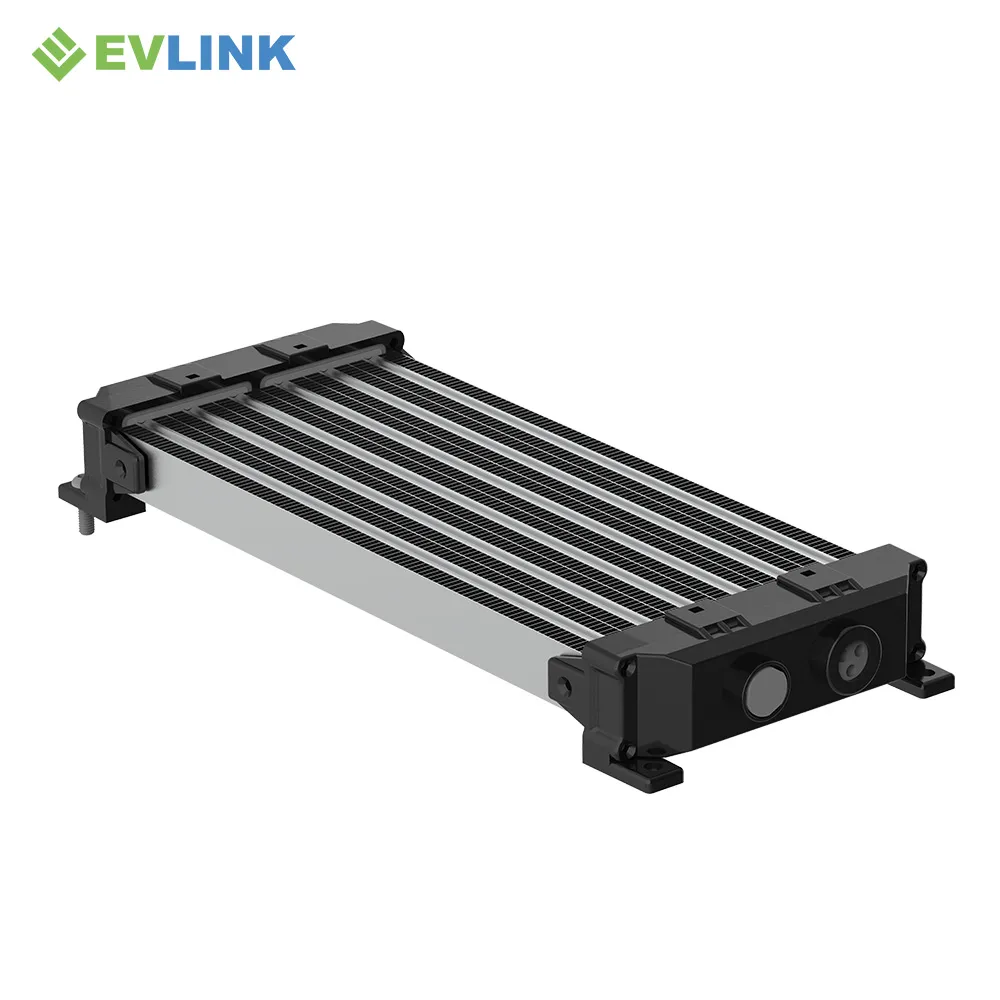
High Voltage Air Heater for Cabin Heating
A PTC cabin heater transfers heat directly to the air in an HVAC duct. For cabin heating or windshield defrosting, share the airflow, inlet air temperature, duct layout, available electrical power and mounting envelope. Confirm the operating limits for the proposed unit.
For automotive PTC air heater projects, confirm whether the HVAC assembly is intended to heat the cabin, support windshield defrosting or do both. The heater output must be reviewed at the airflow, inlet air temperature and supply voltage expected in the vehicle.
Find the right heater for your vehicle
Tell us your vehicle application, supply voltage, required heating output, available airflow and installation space. EVLINK can review the proposed heater configuration and provide the applicable specification and drawing for your project.
PRODUCT VIEWS
Explore the Heater from Every Angle
Explore the heater from different angles. Images are product renderings; confirm connector arrangements and mounting details against the drawing for your selected configuration.
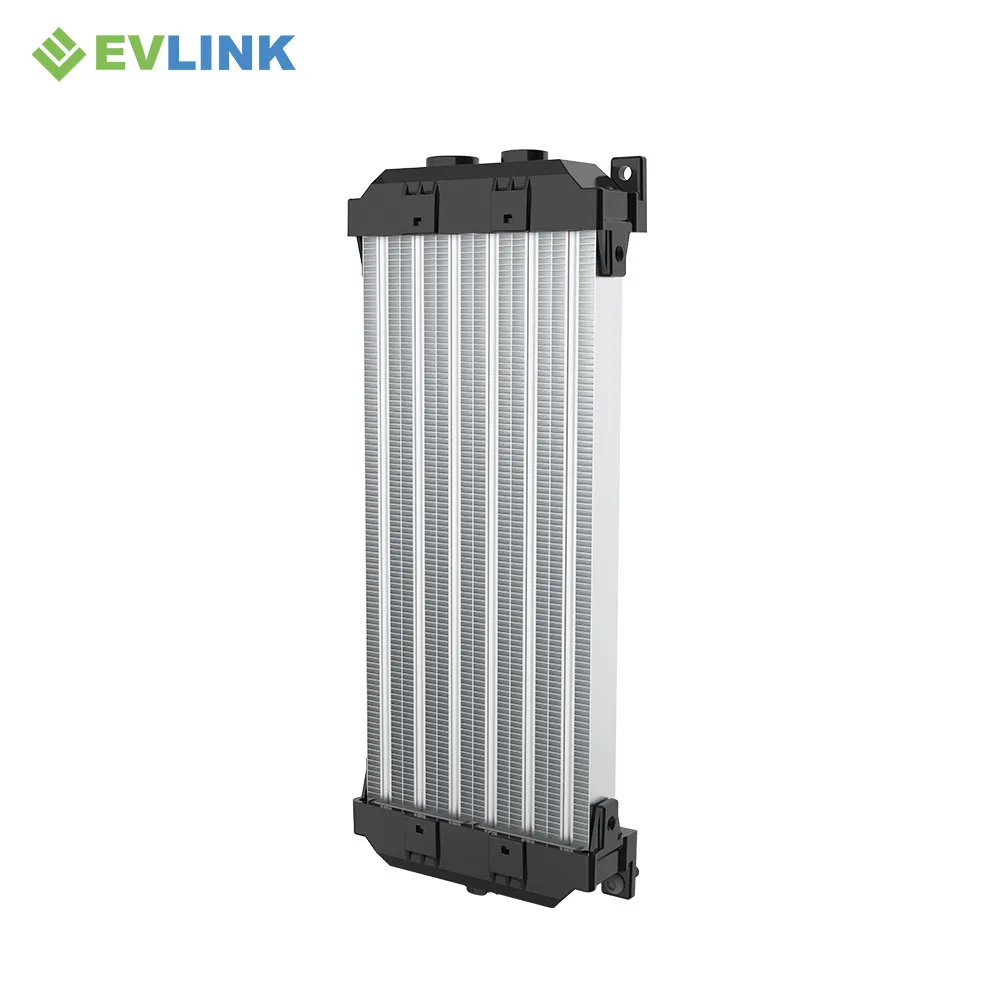
Overall product view
Finned heating surface
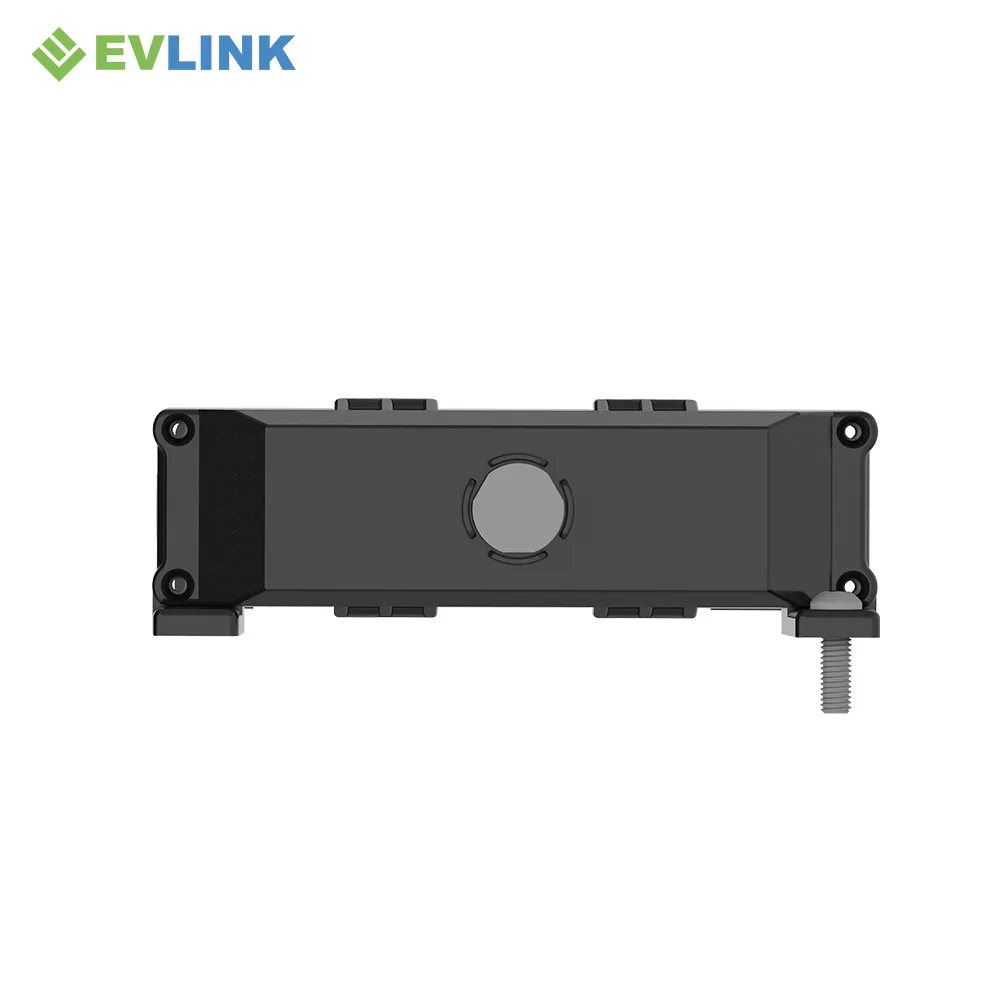
End connection view
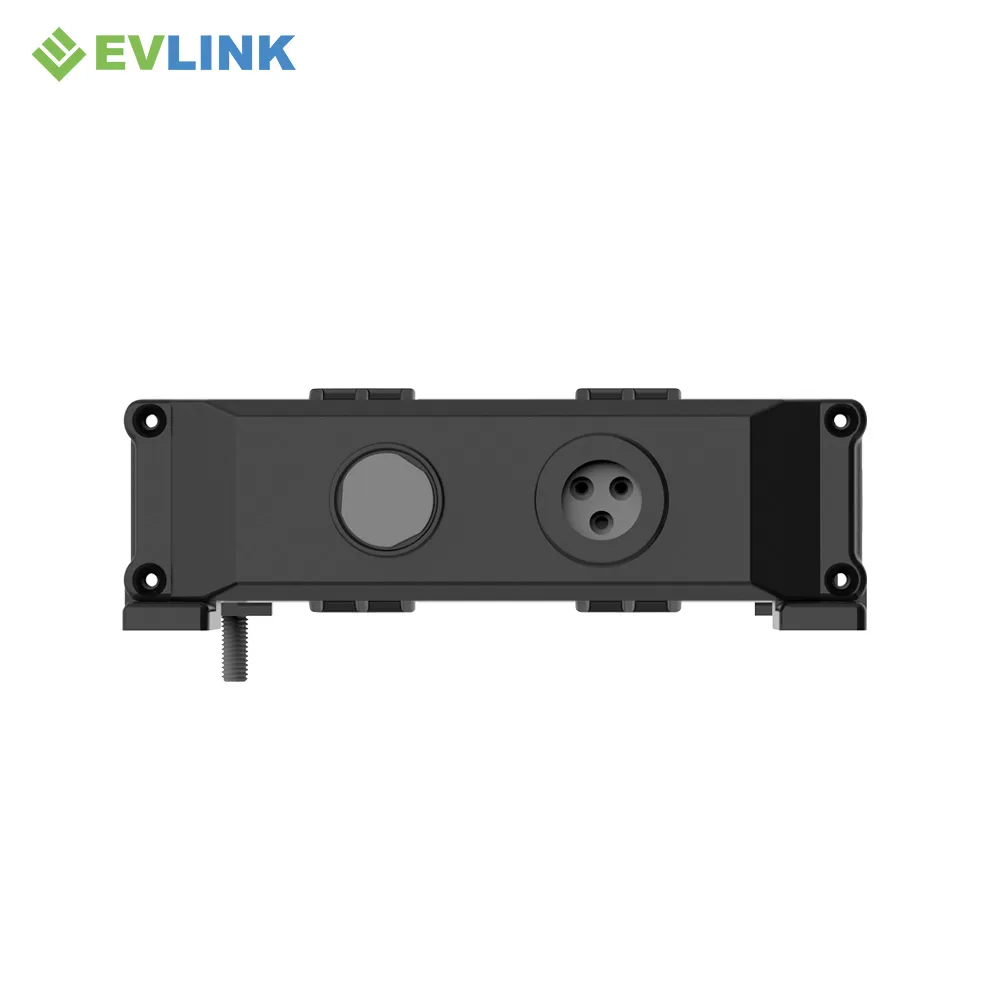
Opposite end and mounting view
TECHNICAL PERFORMANCE
Heater Selection and Specifications
Ask EVLINK for the current drawing and specification for the proposed configuration. Rated power must be interpreted together with the stated voltage and air-side test conditions.
| Parameter | Reference configuration |
|---|---|
| Rated voltage | 800 V DC (reference configuration); customizable |
| Rated output power | 5 kW (reference configuration); customizable |
| Maximum current | Less than 16 A |
| Control | Heater without integrated control; thermostat or temperature sensor used with system controller |
| Operating and storage ambient temperature | −40 to +125 °C, as stated in the supplied specification |
| Water protection rating | IP67 as stated in the supplied product specification; applicable configuration and test conditions to be confirmed |
Reference data is from the supplied product document. Confirm the selected configuration, operating voltage range, power rating conditions, airflow and released drawing with EVLINK before selection.
| Review item | Information to agree for the selected configuration |
|---|---|
| Electrical supply | Rated voltage, operating range and available electrical power |
| Heating output | Required power and applicable measurement conditions |
| Airflow | Airflow, inlet temperature and HVAC operating modes |
| Installation | Envelope, mounting, orientation and service access |
| Control and protection | Connector, control method and documented protection requirements |
Designed for HVAC integration
Review the proposed heater position, air path, connectors and mounting against the released drawing. The product images show the heater configuration; interface details must be confirmed for the selected model.
Air heater or coolant heater?
An air heater transfers heat directly to an air stream. A coolant heater heats a liquid circuit and may serve a cabin heat exchanger or another thermal load where the system is designed accordingly. The right architecture depends on the vehicle’s heating requirements and integration boundaries.
PTC air heating for electric vehicle cabins
The high-voltage PTC air heater transfers heat to air passing through the heater. It can be considered during the design of an electric vehicle HVAC assembly where direct air heating is required. The complete heating performance depends on the selected heater, air path and vehicle power allocation.
Define the air-side boundary
Confirm airflow direction, inlet air temperature, airflow range and the operating conditions required by the heater supplier. Consider duct geometry, obstructions, filter conditions and access for inspection as part of the installed system.
Define the electrical boundary
Provide the available supply voltage range and power budget in each intended operating mode. Review connectors, wiring, grounding and protective devices against the released heater drawing and approved vehicle electrical design.
Where can the PTC air heater be considered?
Project suitability depends on the selected configuration and the vehicle’s approved HVAC design. The following are examples of applications for discussion, not claims that a specific vehicle or installation has been validated.
Electric buses and coaches
The supplied product information identifies bus windshield defrosters as a principal application. Review the required defrosting task, available power and duct arrangement for the selected vehicle.
Electric trucks
Evaluate the space available within the cab HVAC assembly alongside the desired heat output and vehicle electrical limits.
Construction and agricultural vehicles
Define the cab environment, mounting arrangement and installation constraints for the equipment being developed.
HVAC system suppliers
Discuss heater geometry, air-side boundary conditions, electrical connections and control responsibilities during assembly design.
What should the engineering teams confirm?
| Project interface | Questions to resolve before sample approval |
|---|---|
| Heating demand | What air-heating task, operating modes and time window must the system support? |
| Air path | What airflow and inlet temperature apply, and where is the heater installed in the duct? |
| Electrical supply | What voltage range and electrical power are available at the heater connection? |
| Control | Which controller makes the heating request, and what interfaces and feedback apply to the selected configuration? |
| Mechanical installation | Which drawing revision, mounting features, clearances and connector orientations apply? |
| Verification | Which test conditions, protection requirements and acceptance criteria are agreed for the installed system? |
From enquiry to configuration review
- Share the application: vehicle type, cabin heating task and intended operating modes.
- Define the boundaries: supply voltage, power budget, airflow, air inlet conditions and installation space.
- Review the configuration: request the applicable specification, drawing, connectors and control information.
- Agree validation: align sample configuration, test conditions and responsibilities before vehicle-level assessment.
Any custom configuration, production quantity and delivery schedule are subject to project confirmation.
High-Voltage PTC Air Heater FAQ
Can the heater be adapted to our HVAC assembly?
Share the required heating duty, supply conditions, air path and installation drawing with EVLINK. Available configuration options must be confirmed for the project.
Is the heater suitable for every 400 V or 800 V vehicle?
No. A vehicle’s nominal platform voltage alone is insufficient for selection. Compare its operating range and power budget with the released specification of the selected heater.
Is a blower or fan included?
The supplied images show the heater assembly; the scope of supply and any fan or blower must be confirmed in the quotation and applicable configuration documentation.
What information should accompany an RFQ?
Provide the vehicle application, voltage range, requested heating output, airflow and inlet temperature, space envelope, intended control interface and required quantities.
Discuss a PTC air heater configuration
Provide your vehicle application, minimum and maximum supply voltage, required heating output, airflow and inlet air temperature, available installation dimensions, control interface, expected quantity and project schedule. If replacing a heater, include its released drawing and connector information. EVLINK can review the configuration and applicable documentation with your engineering team.