Book Appointment Now
HVCH Power Verification: Request, Input and Delivered Heat
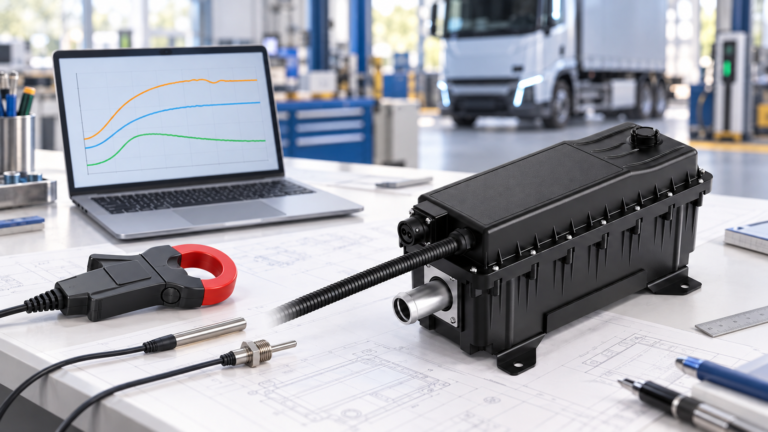
Verify HVCH power by separating requested output, electrical input and coolant-side heat transfer, with clear boundaries and project-specific acceptance criteria.



Verify HVCH power by separating requested output, electrical input and coolant-side heat transfer, with clear boundaries and project-specific acceptance criteria.
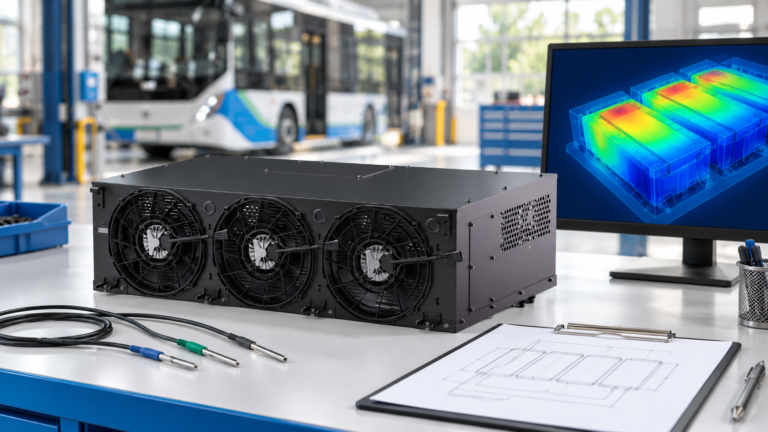
Separate measurement issues, coolant distribution and cooling capacity when investigating uneven battery temperatures in electric buses and trucks.
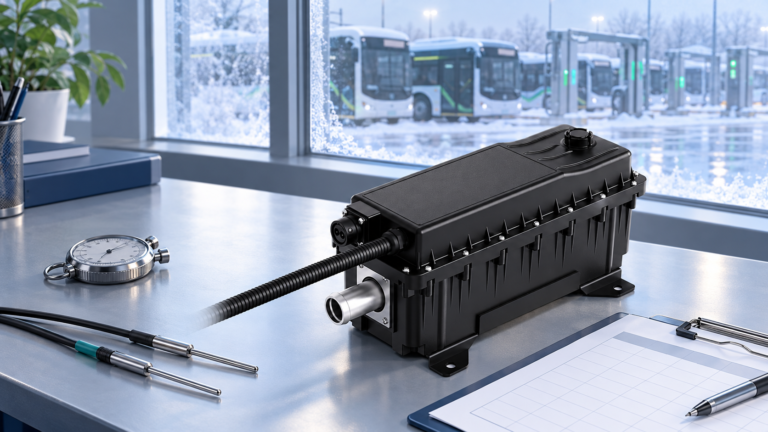
Define repeatable warm-up response evidence for an HVCH without confusing heater output, coolant temperature and vehicle readiness.
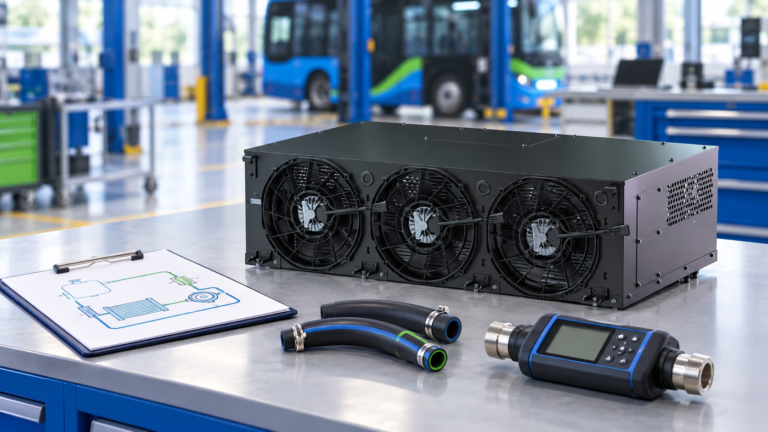
Define filling, circulation and acceptance evidence for liquid-cooled battery thermal management systems before thermal performance testing.
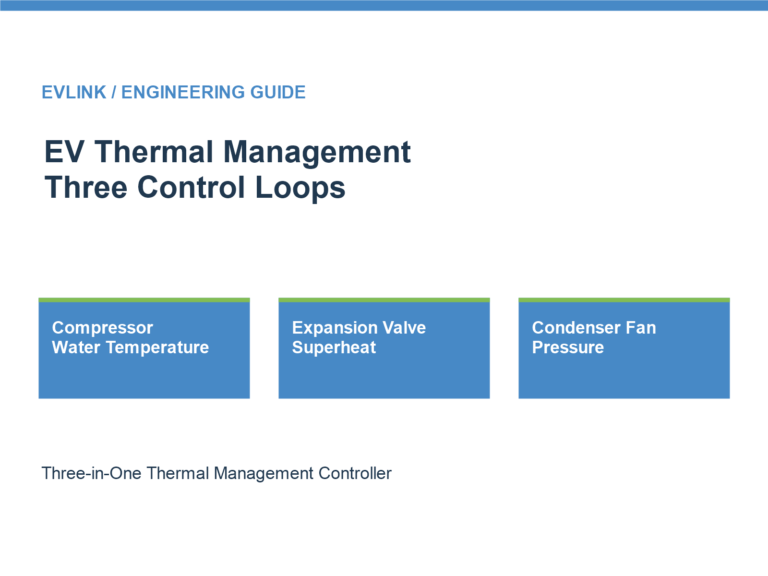
Review compressor water-temperature control, expansion-valve superheat control and condenser-fan pressure calibration for commercial EVs.
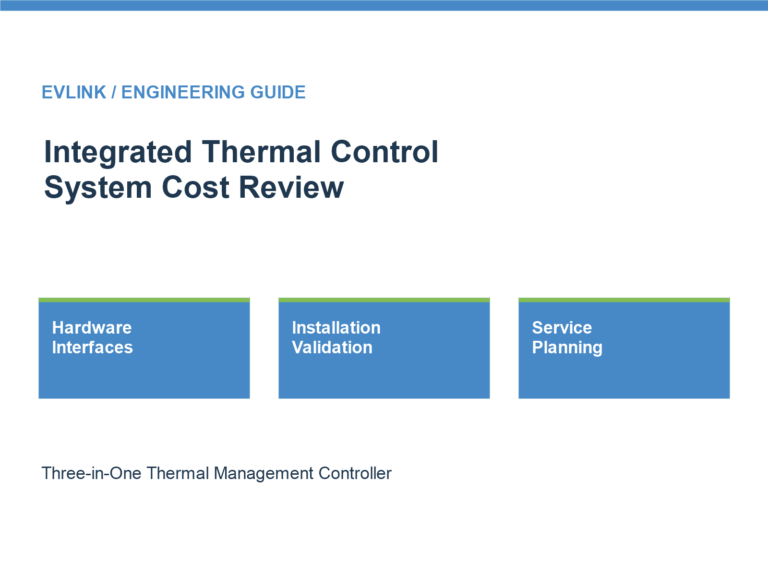
Review hardware, wiring, installation and validation considerations when integrating three thermal-control functions in an electric bus.
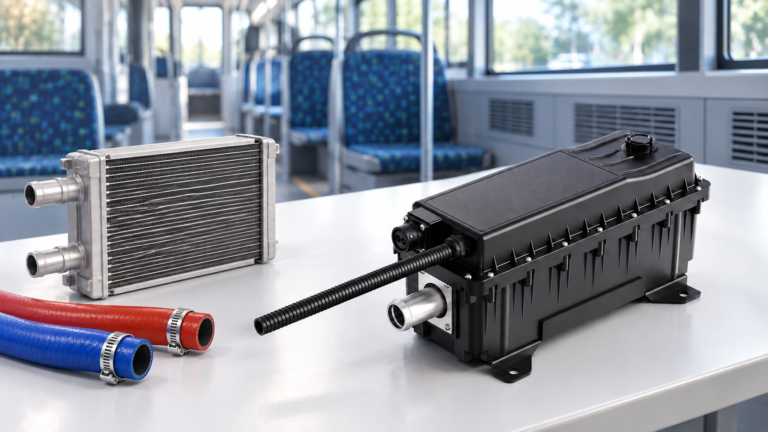
Compare air and liquid heat-delivery paths, separate cabin and battery needs, and review complete heating-system integration before selecting an HVCH.
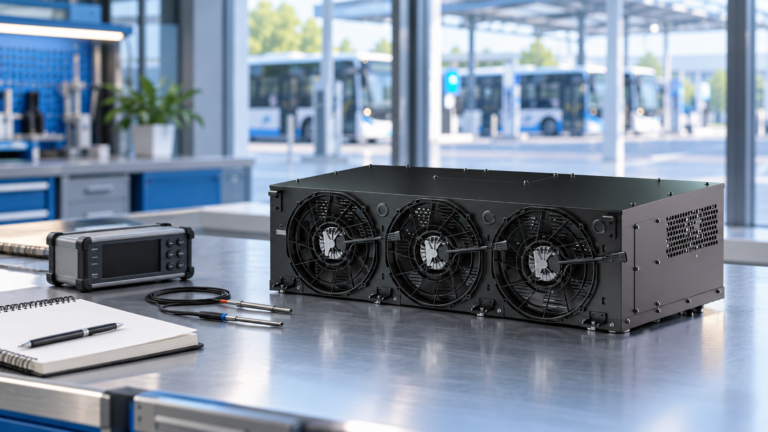
An OEM measurement review covering coolant and battery temperature points, installation, timing, cold-start checks and evidence for BTMS commissioning.
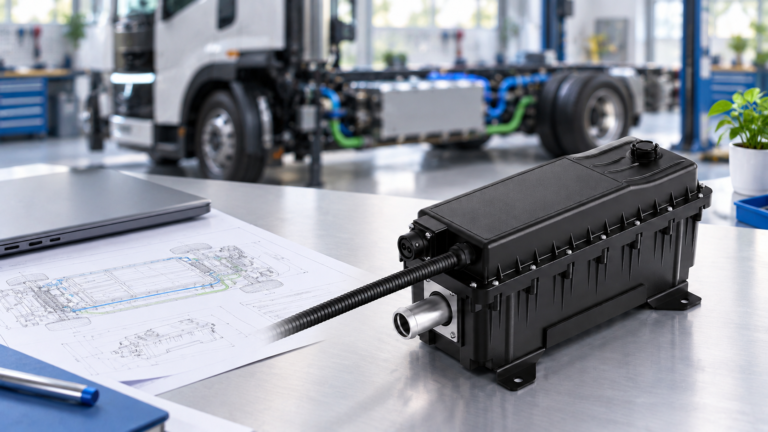
An OEM voltage-matching checklist for HVCH selection: actual supply range, conditional heating output, auxiliary power and configuration evidence.
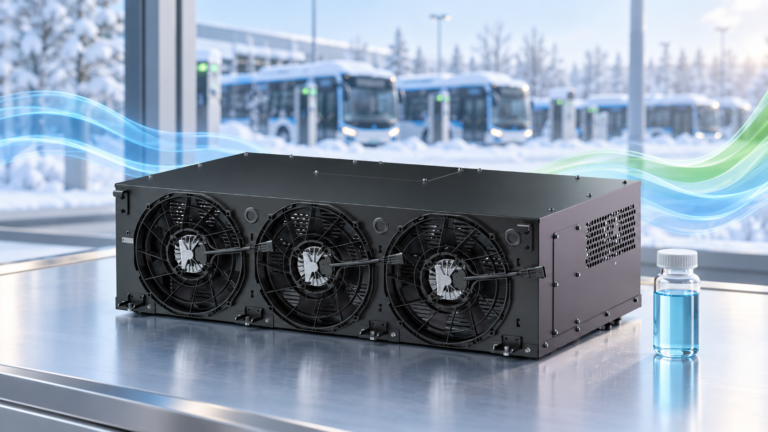
An OEM review checklist for battery-loop coolant specifications, component approval, cold-weather operation and commissioning evidence.