1. What is a 3kW Battery Thermal Management System?
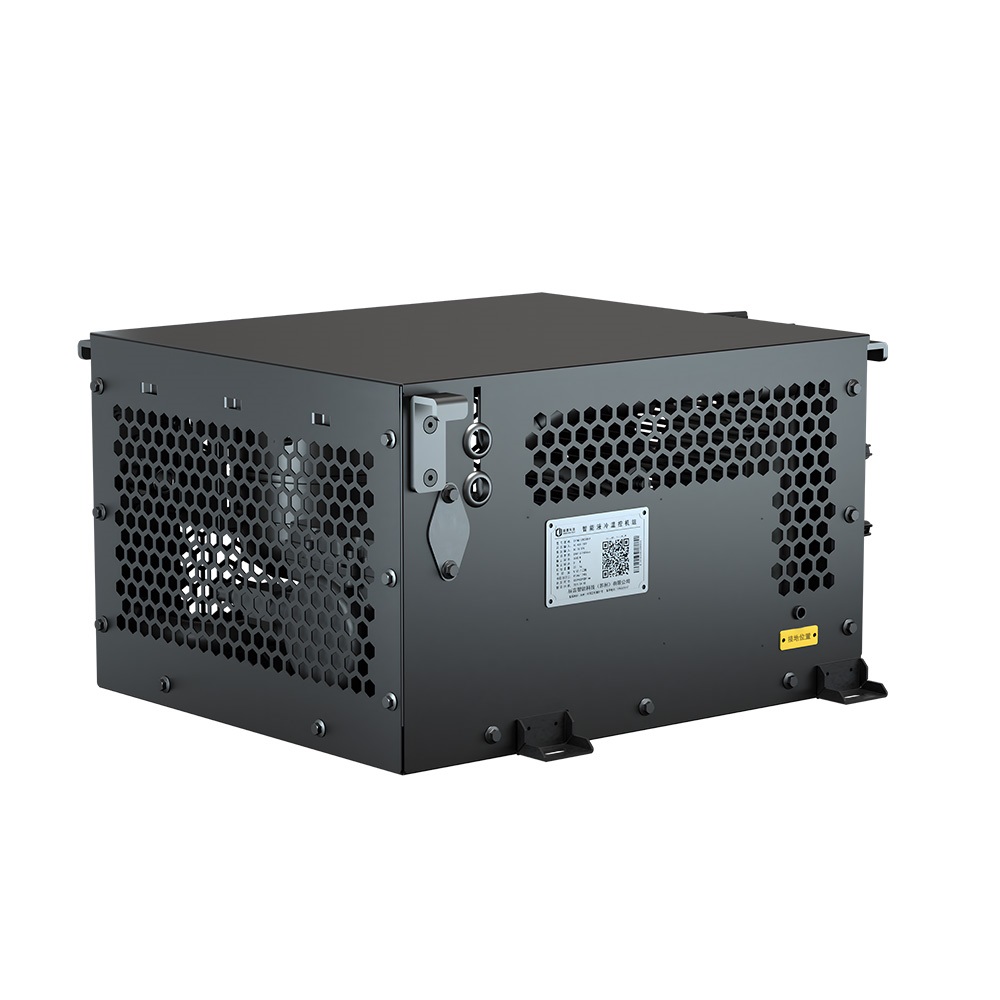
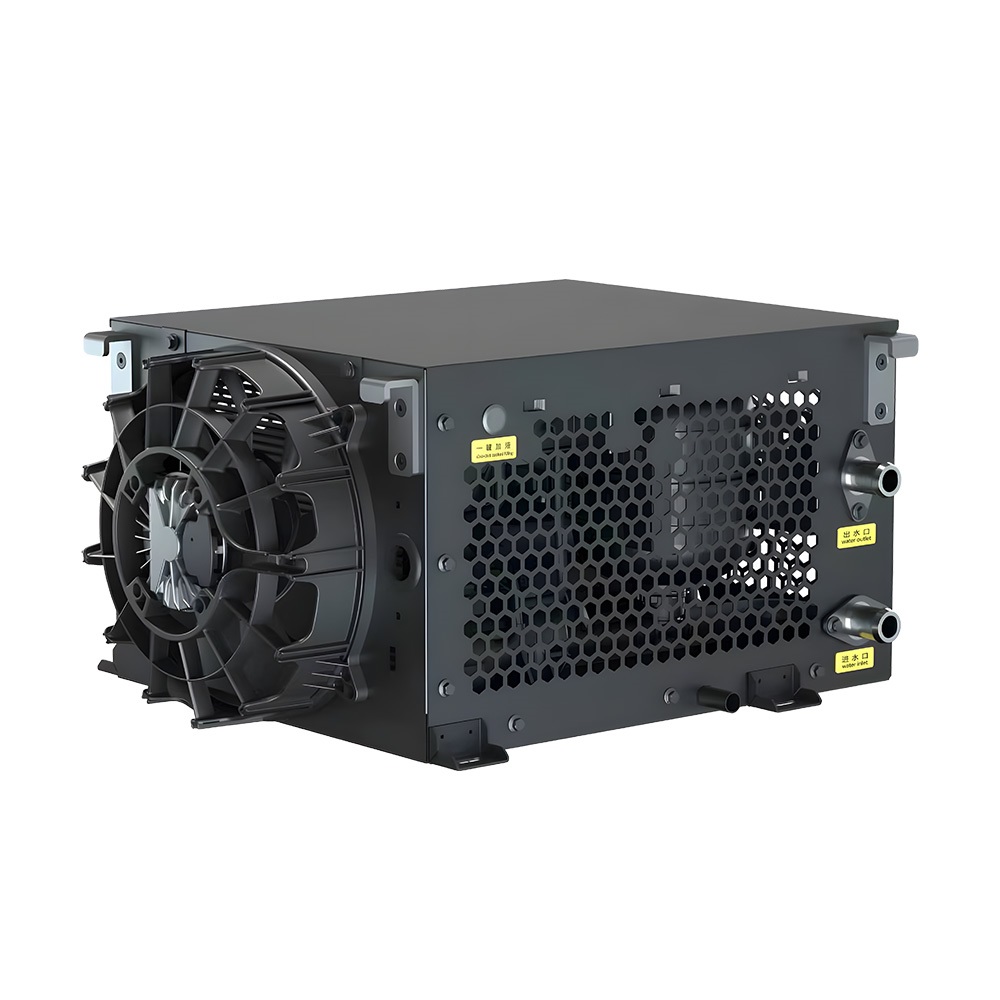
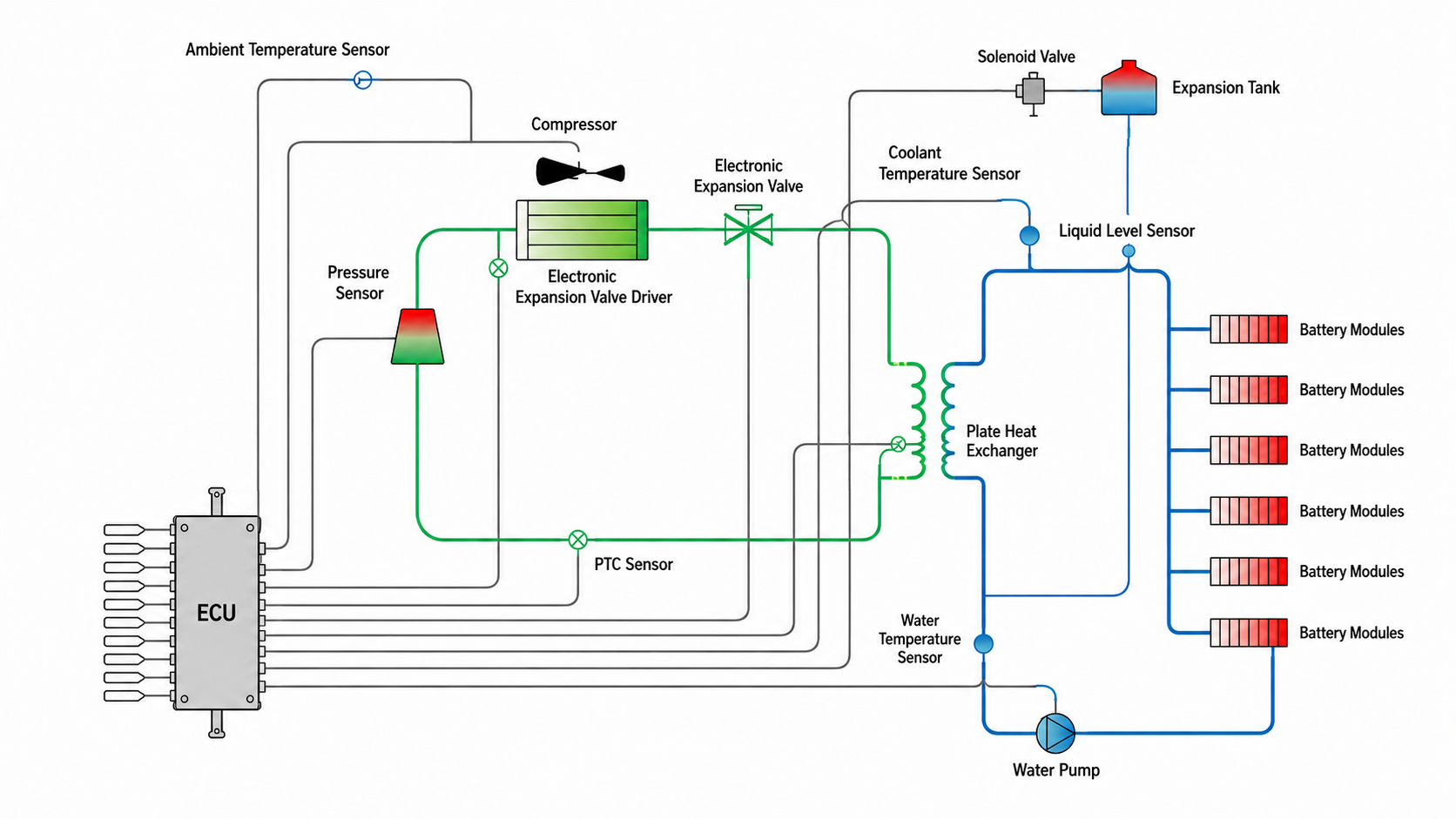
A 3kW Battery Thermal Management System (BTMS) is an active liquid cooling unit designed to control coolant temperature for electric vehicle battery systems. The LDC300HA provides 3kW rated cooling capacity and integrates coolant circulation, refrigeration cooling, ECU control and CAN communication for vehicle-level battery thermal management.
2. What voltage does the 3kW BTMS support?
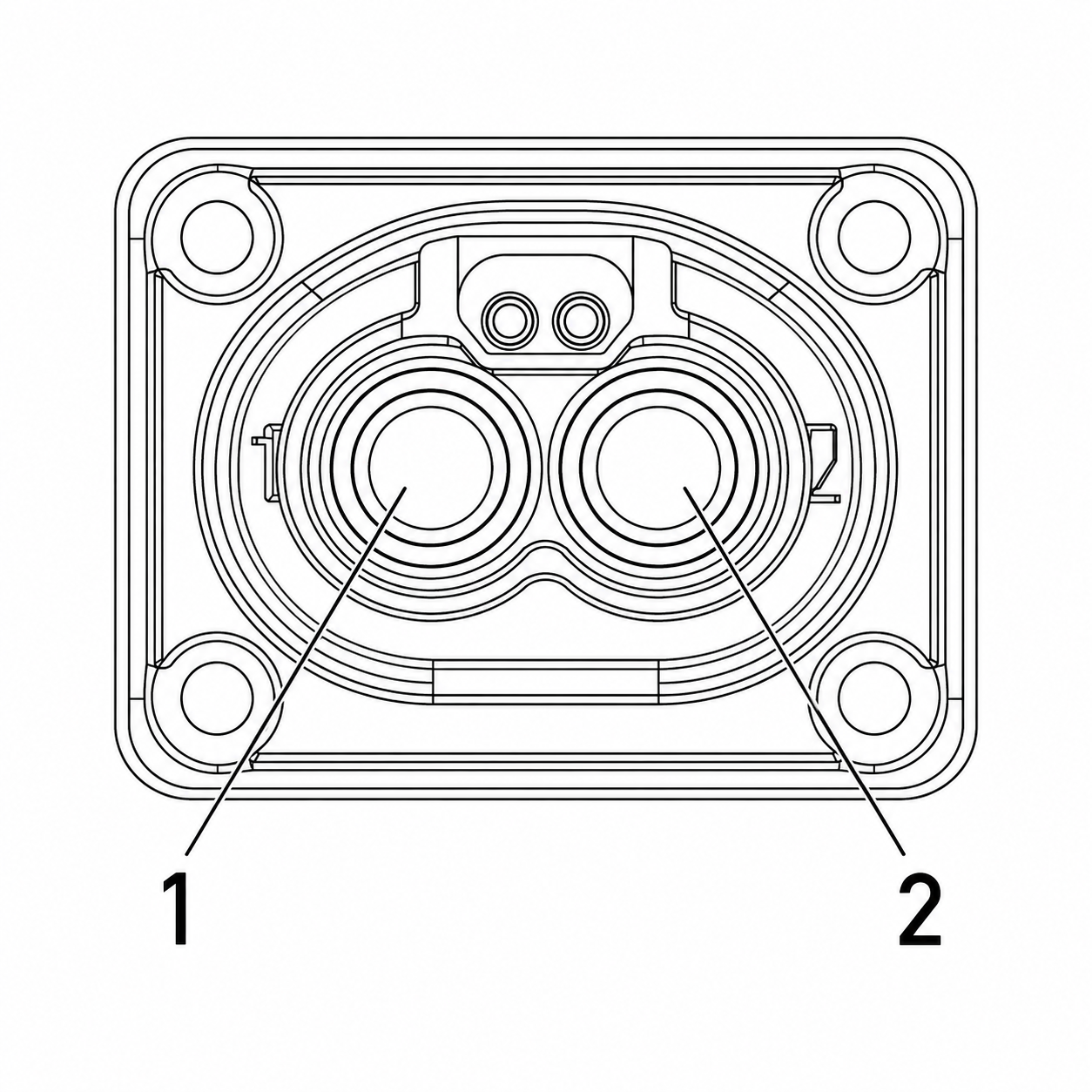
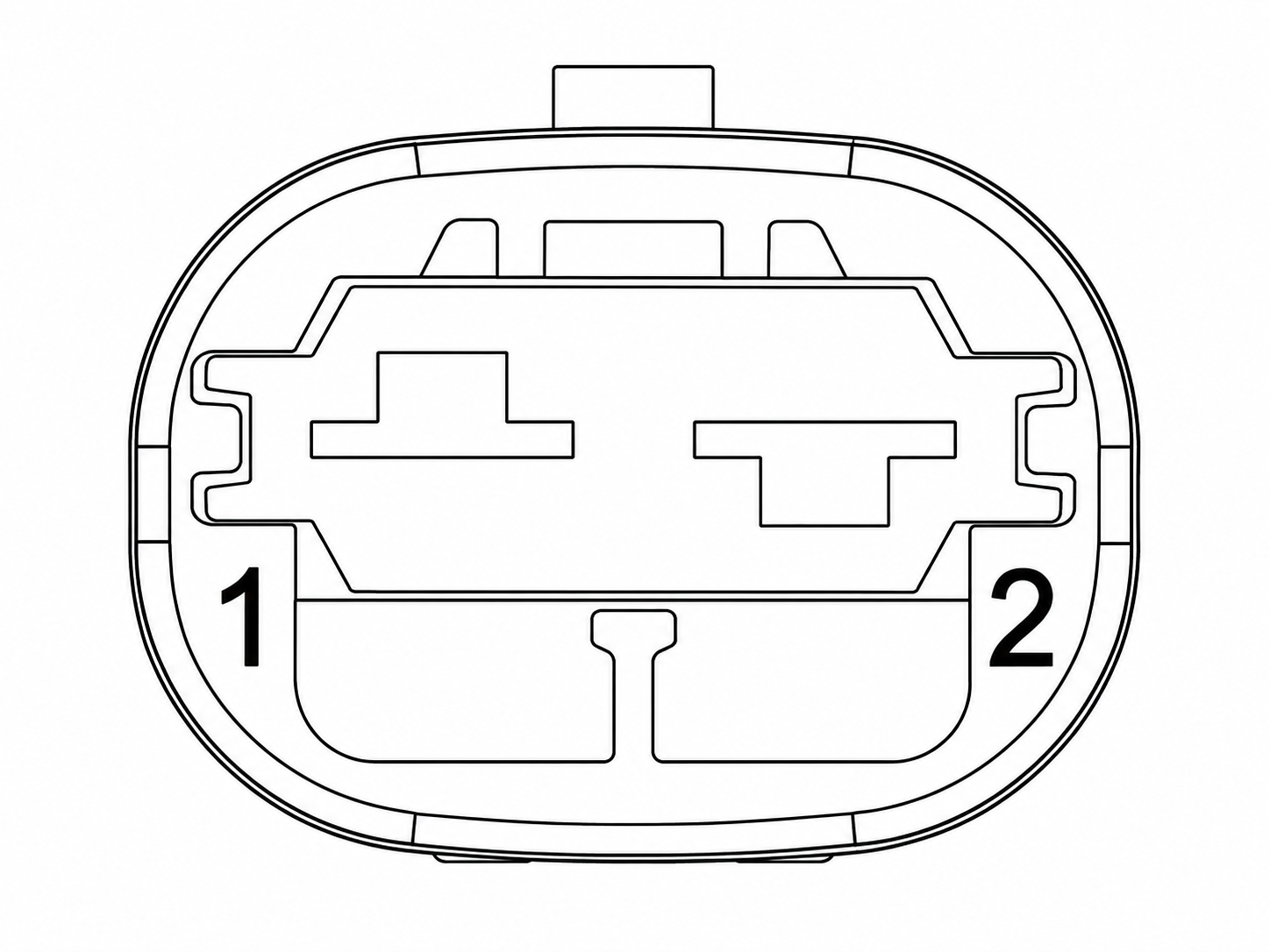
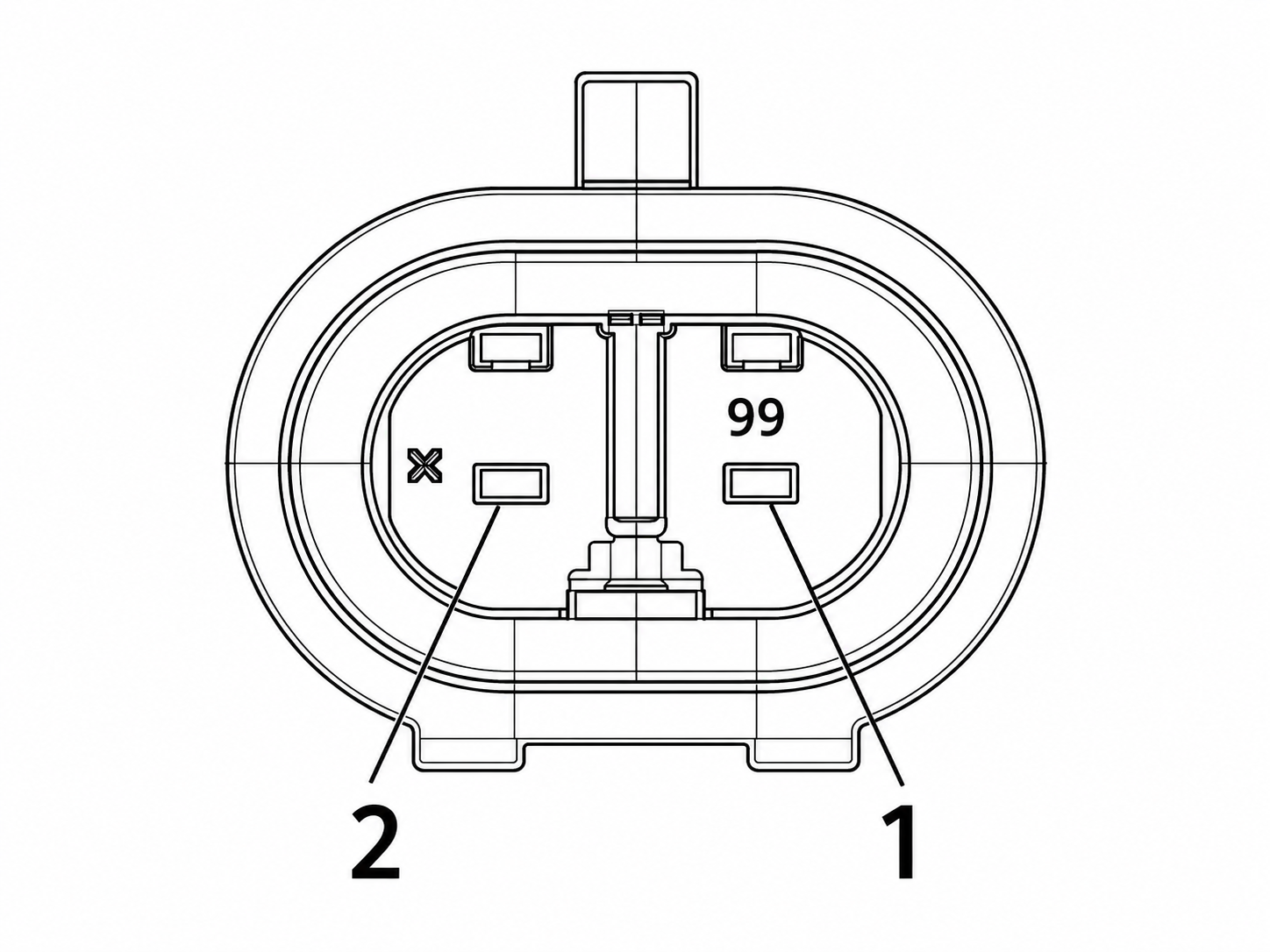
The LDC300HA supports a DC400–750V high-voltage input and a DC24V low-voltage input. This voltage range allows the 3kW BTMS to integrate with different high-voltage EV battery platforms, subject to vehicle electrical architecture and system requirements.
3. Does the 3kW Battery Thermal Management System provide heating?
Heating is optional and external on the LDC300HA. The standard unit is designed primarily for 3kW active battery cooling. If battery heating is required for low-temperature operation, the heating configuration should be evaluated separately according to the vehicle platform and thermal requirements.
4. Does the 3kW BTMS support CAN communication?
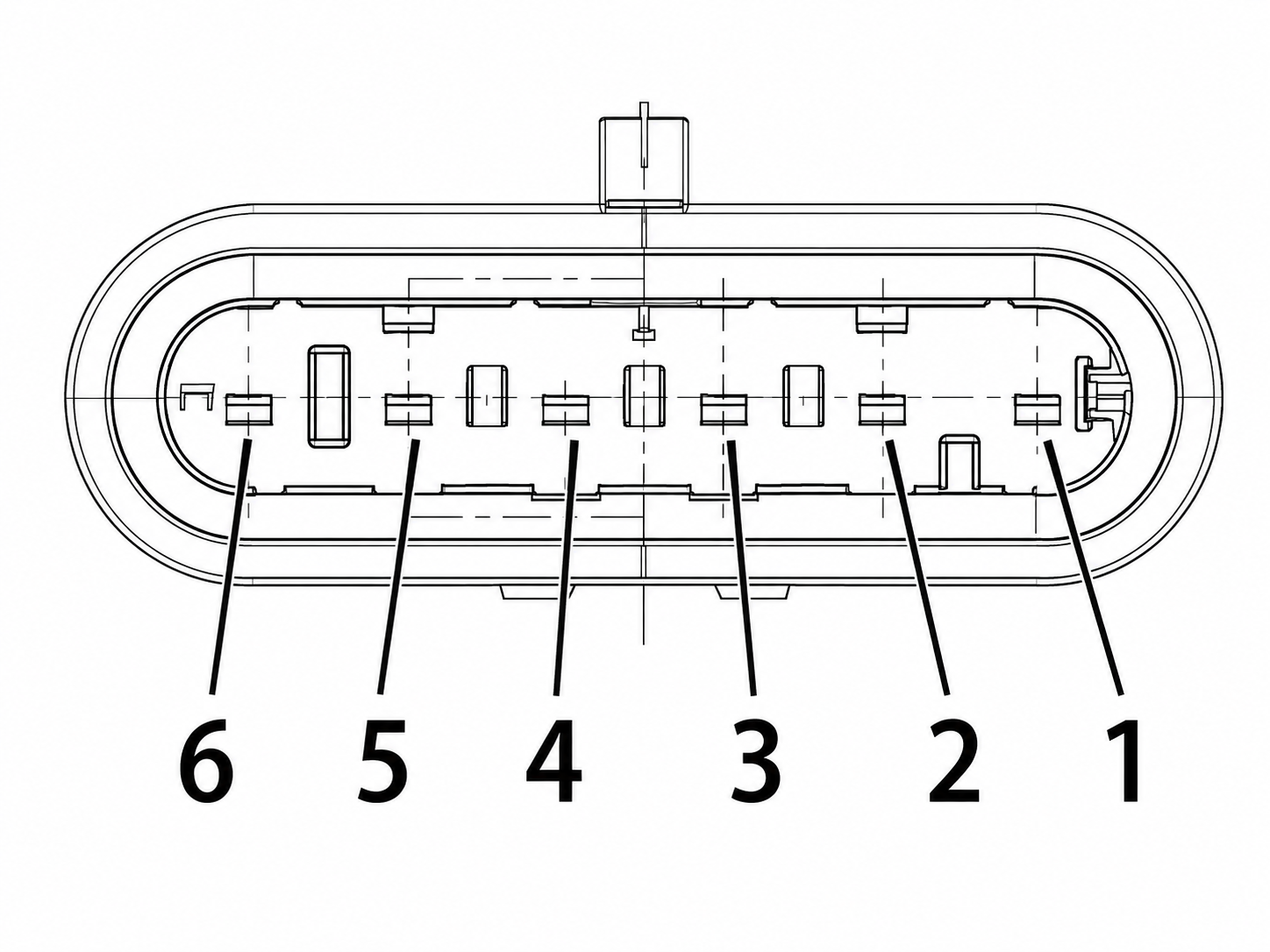
Yes. The LDC300HA supports CAN 2.0 communication at 250 kbps, enabling communication between the BTMS and the vehicle control system. CAN communication can be used for system control, operating-status monitoring and vehicle-level thermal management coordination.
5. What coolant does the 3kW battery cooling system use?
The specified coolant is a 50% ethylene glycol solution, while the refrigeration circuit uses R134a refrigerant. The system is designed for a pressure resistance of 3.5 bar and provides a rated coolant flow of 30 L/min at 130 kPa.
6. What is the operating temperature range of the 3kW BTMS?
The specified operating temperature range is -35°C to 60°C, with a storage temperature range of -40°C to 80°C. The unit also has an IP67 protection rating, supporting integration into EV platforms operating under demanding environmental conditions.
7. How do I know whether a 3kW Battery Thermal Management System is suitable for my vehicle?
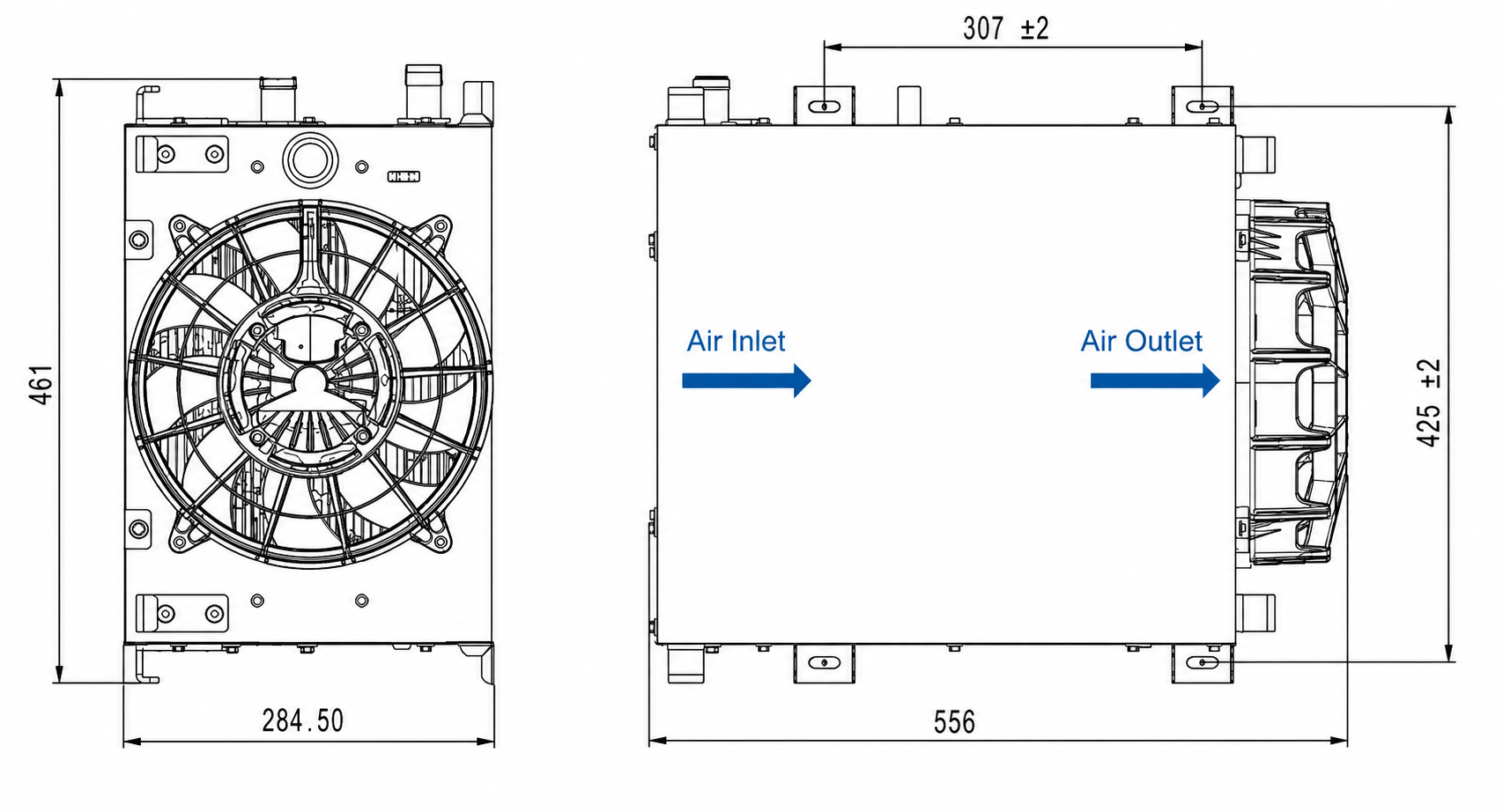
BTMS selection should be based on the actual battery thermal load rather than cooling capacity alone. Engineers should evaluate battery voltage, continuous and peak heat load, coolant flow, ambient temperature, installation space and CAN communication requirements.
If the required continuous cooling load exceeds 3kW, a higher-capacity BTMS should be evaluated.
8. Can the 3kW BTMS be integrated into a custom EV platform?
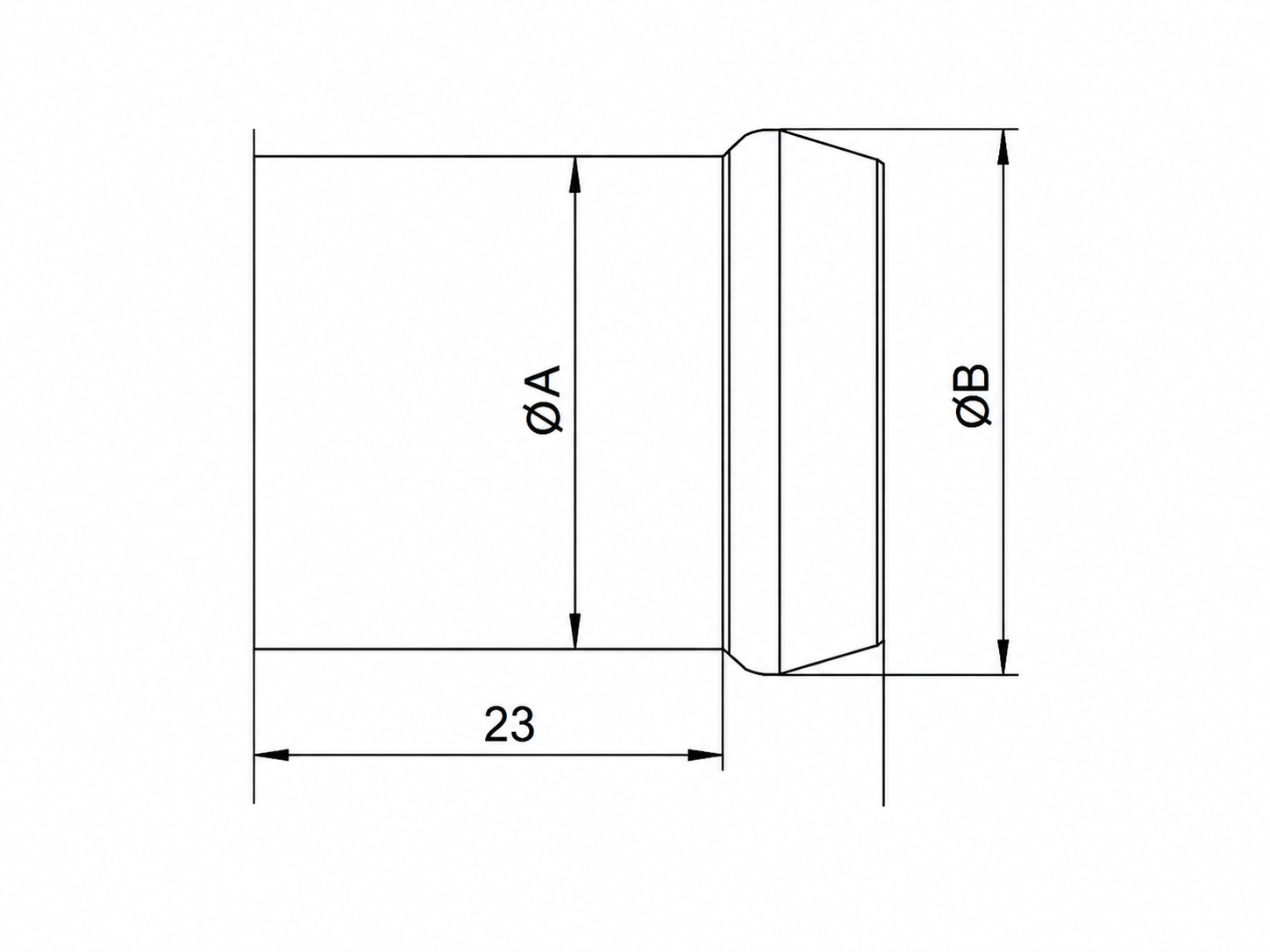
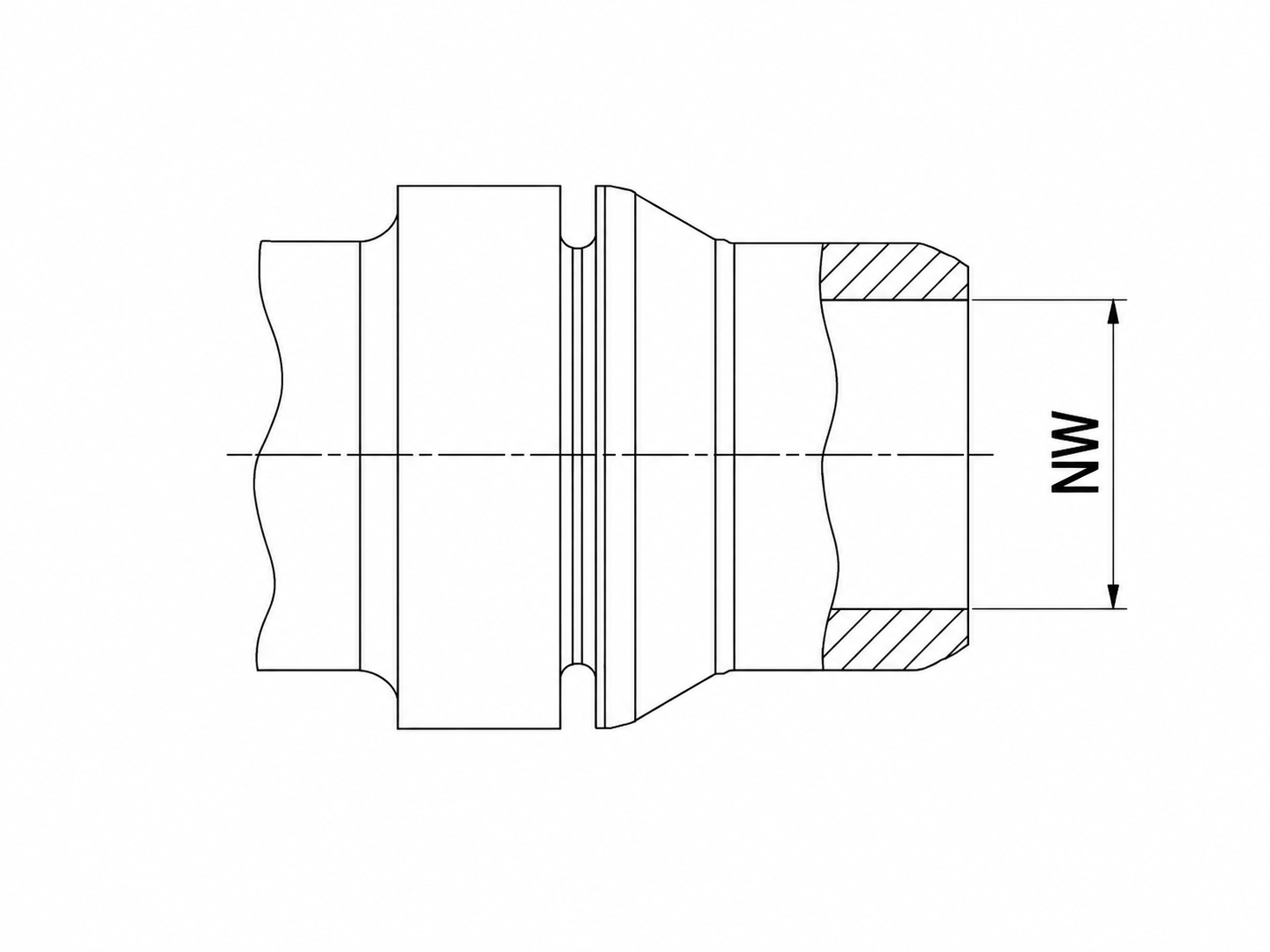
Yes. Vehicle integration should consider the high-voltage system, coolant loop, mounting space, coolant interfaces and CAN communication requirements. For the LDC300HA, the unit uses NW16 coolant supply and return interfaces and is designed for vehicle-level battery cooling system integration.
For project evaluation, customers should provide the battery voltage, thermal load, coolant requirements, installation space and CAN communication requirements.