Book Appointment Now

ENGINEERING | EV THERMAL MANAGEMENT
EV Thermal Management Engineering Services
Engineering support for battery thermal management, high-voltage coolant heating, electric compression and intelligent control—from requirements and system architecture to interfaces, prototypes, validation planning and production documentation.
EVLINK works with OEM engineering and purchasing teams to convert vehicle or equipment requirements into a clear, reviewable thermal solution. Final scope and performance depend on the selected product models and verified project inputs.
System
Architecture and sizing
Interface
Mechanical, HV/LV and CAN
Validation
Prototype to production
ENGINEERING BEFORE HARDWARE
Reduce Project Risk Before the Prototype Stage
Professional thermal integration begins with the application requirement—not a catalog model number.
01
Unclear Thermal Scope
Cooling, heating, cabin, battery, electronics and control ownership are not yet separated.
02
Component Mismatch Risk
Voltage and headline power alone do not confirm thermal, environmental or interface suitability.
03
Late Integration Changes
Mounting, connectors, coolant routing and CAN definitions are discovered too late.
04
Validation Gaps
The prototype is built before operating conditions, acceptance criteria and records are agreed.
ENGINEERING CAPABILITIES
Six Engineering Services Across the Development Cycle
Each service produces practical outputs that your engineering and purchasing teams can review. Scope is confirmed project by project.
01
Requirements Analysis & Thermal Architecture
Translate platform data and operating conditions into a defined thermal scope, operating modes and interface map.
- Duty-cycle and heat-load review
- Cooling and heating scope
- Preliminary system architecture
02
Product Selection & Sizing
Match BTMS, heater, controller and compressor options to voltage, power, coolant, environment and packaging requirements.
- Component shortlist
- Preliminary sizing basis
- Technical solution proposal
03
Mechanical & Coolant Integration
Define installation space, mounting, orientation, coolant routing, connections, service access and environmental constraints.
- 2D / 3D drawings
- Mounting interface definition
- Coolant connection information
04
Electrical & High-Voltage Interfaces
Plan HV/LV supply, connectors, wiring responsibilities, protection boundaries and electrical integration inputs.
- Electrical interface data
- Connector information
- Power and protection review
05
CAN Communication & Control Logic
Align commands, feedback, operating states, limits, fault handling and diagnostics with the VCU or BMS strategy.
- CAN communication document
- Signal and state review
- Fault and diagnostic logic
06
Prototype, Validation & Production Release
Support sample integration, issue review, agreed validation activities, optimization and final documentation preparation.
- Prototype samples
- Validation information
- Production delivery documentation
SYSTEM INTEGRATION
Engineering the Complete Thermal Interface
A product can meet its own specification and still fail at vehicle level if the surrounding interfaces are wrong. EVLINK reviews the component within the complete coolant, refrigerant, electrical and control architecture.
- Battery and power-electronics thermal loads
- Coolant and refrigerant circuits
- High- and low-voltage boundaries
- Pumps, valves, sensors and protection
- VCU / BMS commands and feedback
- Operating modes, faults and diagnostics
DEVELOPMENT WORKFLOW
From Requirement Review to Production Preparation
A gated workflow gives both teams clear inputs, outputs and decisions at every stage.
01
Requirement Collection
Confirm platform, duty cycle, thermal targets, voltage, environment, interfaces, timing and success criteria.
02
Concept & Sizing
Develop the preliminary architecture, operating modes, component selection and sizing assumptions.
03
Interface Definition
Prepare mechanical, coolant, electrical, connector and CAN information for review.
04
Prototype Delivery
Supply agreed samples and support installation, commissioning and initial issue tracking.
05
Validation & Optimization
Review agreed test results, investigate issues and update the configuration or control logic.
06
Production Preparation
Freeze the approved configuration and organize production, quality and delivery documentation.
START WITH RELIABLE DATA
Engineering Inputs Required to Start a Project
Complete project data helps EVLINK identify risks early, avoid unnecessary iterations and prepare a more useful technical proposal.
- Vehicle or equipment platform and application
- Duty cycle, route, workload or operating profile
- Battery capacity, chemistry and thermal data
- High- and low-voltage levels
- Required cooling and heating power
- Ambient and coolant temperature ranges
- Installation envelope, mounting and service access
- Coolant, flow, pressure and refrigerant requirements
- Connector and wiring requirements
- VCU / BMS / CAN protocol and control ownership
- Target standards and validation plan
- Prototype timing and forecast annual demand
ENGINEERING DELIVERABLES
Clear Technical Outputs for Engineering and Purchasing Teams
The exact document set is agreed for each selected product and development phase.
01
Technical Solution Proposal
Recommended scope, assumptions, architecture and product configuration.
02
Selection & Sizing Results
The technical basis used to narrow products and operating limits.
03
2D / 3D Product Drawings
Geometry and installation data for packaging and design review.
04
Installation Interface Definition
Mounting, orientation, envelope and service requirements.
05
Electrical Connection Information
HV/LV supplies, connectors, signals and responsibility boundaries.
06
Coolant & Refrigerant Information
Port definitions, routing inputs, flow and fluid requirements.
07
CAN Communication Documentation
Commands, feedback, states, faults and diagnostic information.
08
Prototype & Validation Information
Samples, agreed test conditions, records and change review.
VALIDATION PLANNING
Prove the System Against the Agreed Operating Conditions
Validation should follow the selected model, final installation, customer specification and target market. EVLINK does not publish unsupported laboratory accreditation or universal compliance claims; the test scope and evidence must be confirmed for each project.
- Cooling and heating performance
- Cold-start and preconditioning behavior
- Coolant flow, pressure and leak checks
- Electrical protection and insulation review
- CAN commands, states, faults and diagnostics
- Transient load and charging conditions
- Installation orientation and service access
- Environmental and vibration requirements
- Prototype vehicle or equipment integration
- Issue tracking and design optimization
- Customer acceptance criteria
- Final model-specific documentation
APPLICATION ENGINEERING
Engineering Support Across Vehicle, Equipment and Infrastructure Platforms
Start with the application page, then bring the verified project data into the engineering workflow.
06
Data Center Liquid Cooling
A separate flow, pressure, redundancy and monitoring pathway.
PRODUCT INTEGRATION
Products That Support the Engineering Architecture
Product selection follows the thermal load, voltage, interfaces, environment, control requirements and validation plan.
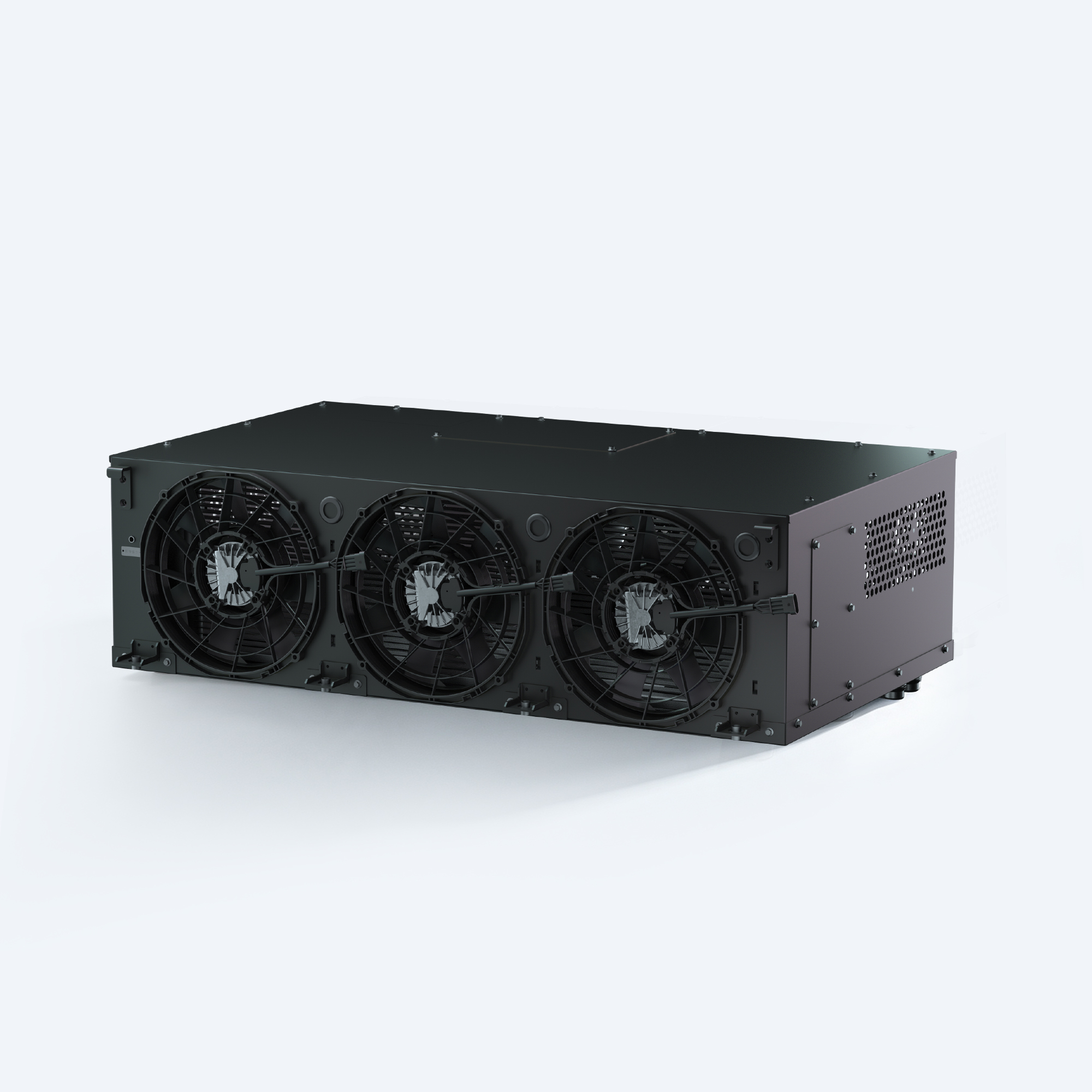
01 | Battery Thermal Management System
Battery cooling and heating configured around the operating requirement.
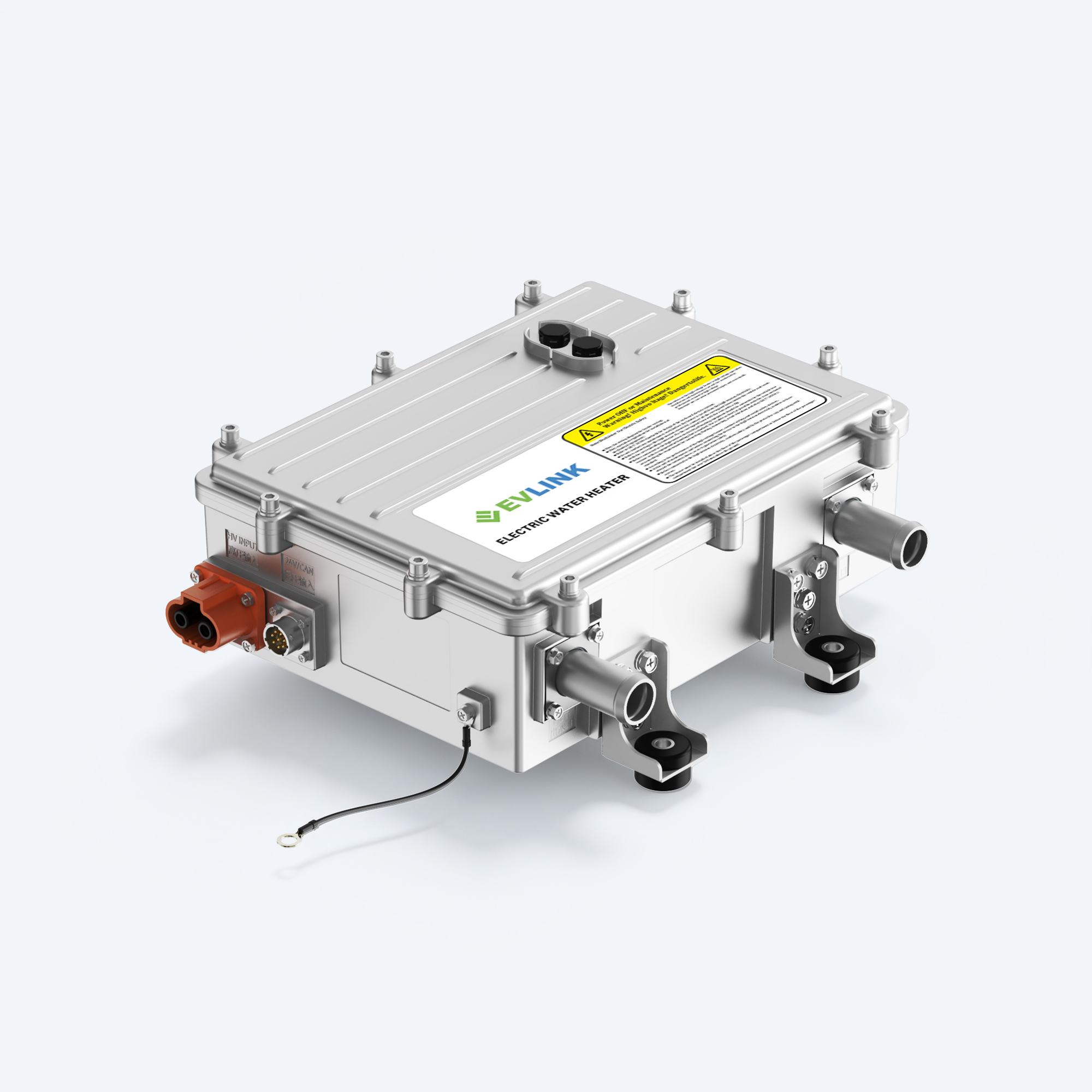
02 | High Voltage Coolant Heater
Controlled coolant heating for battery and related thermal loads.
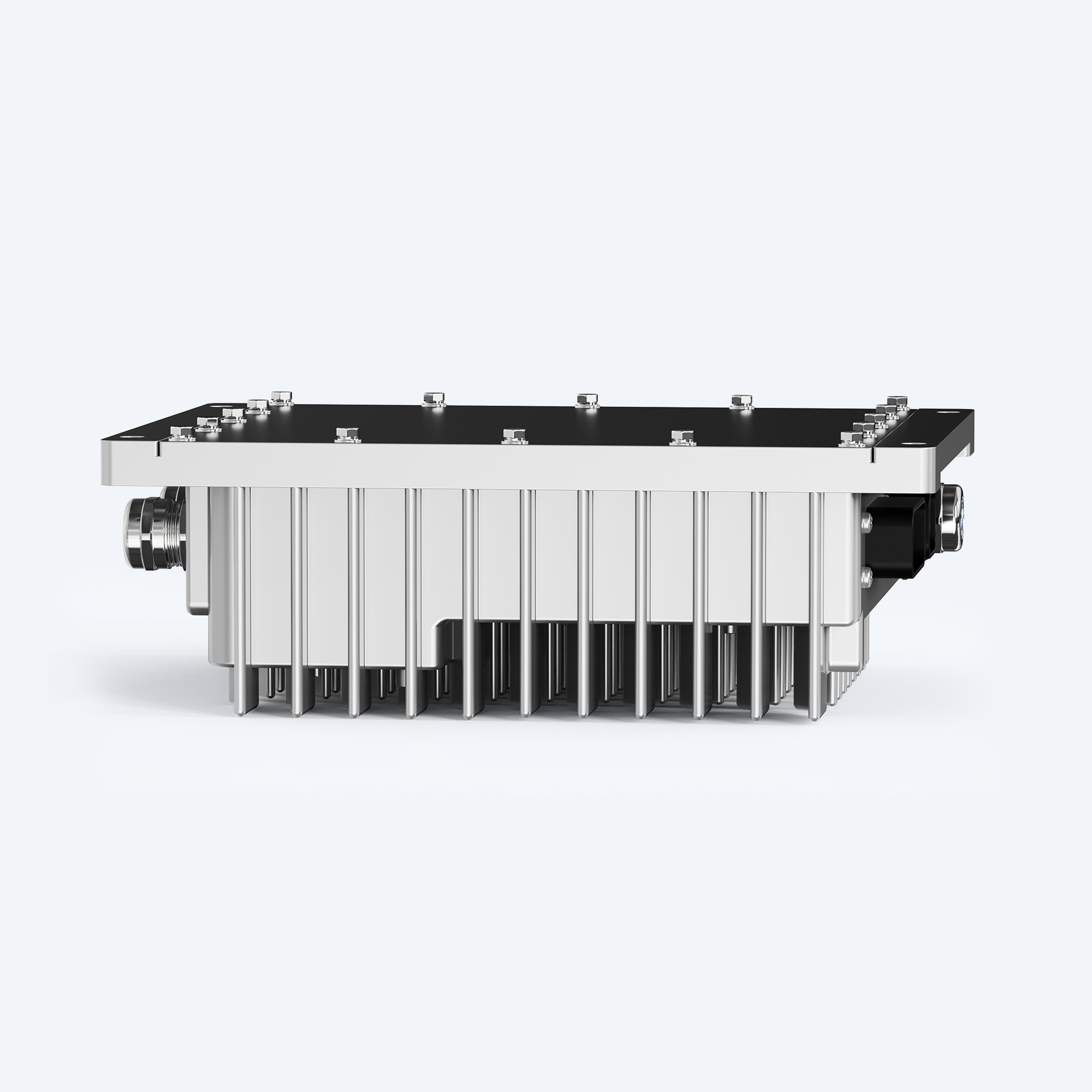
03 | Three-in-One Controller
Coordinated thermal power, operating modes and CAN communication.
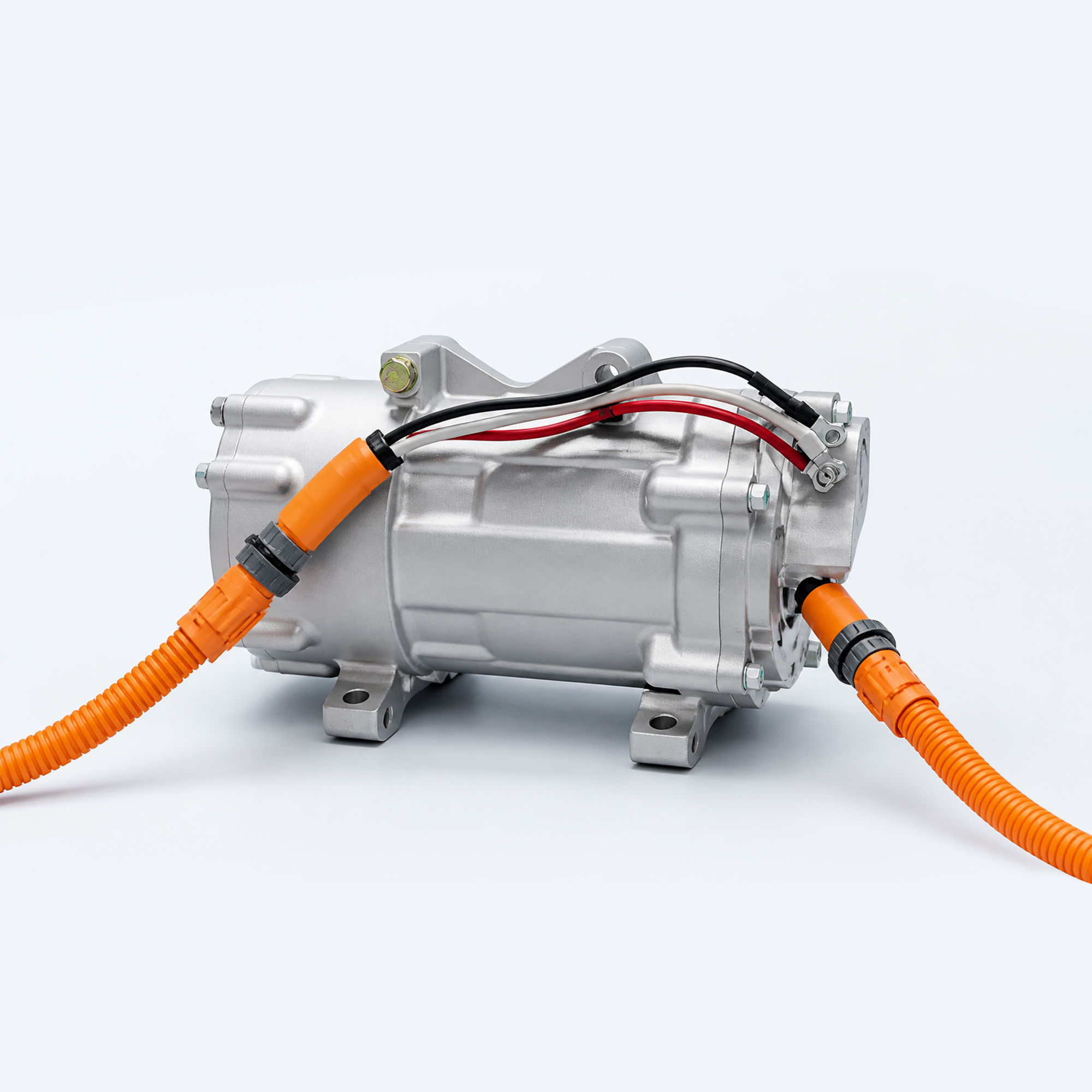
04 | Electric Compressor
Active refrigerant compression for project-specific cooling circuits.
ENGINEERING EVIDENCE
Support Every Capability Claim with Verifiable Proof
The ZIP includes three matching proof images. Upload them to WordPress and replace these editable placeholders before publication.
01
Engineering & CAN Integration
Replace with the supplied EVLINK engineering image and a factual caption.
02
Prototype Testing & Validation
Use authentic test conditions, equipment and model-specific information.
03
Factory & Quality Control
Show traceable assembly, inspection and release evidence.
FREQUENTLY ASKED QUESTIONS
EV Thermal Management Engineering Services FAQ
What EV thermal management engineering services does EVLINK provide?
EVLINK can support requirement review, preliminary architecture, product selection and sizing, mechanical and coolant interfaces, electrical connections, CAN communication, prototypes, validation planning, optimization and production documentation. Final scope is confirmed for the selected models and project phase.
What information is needed before product selection?
Provide the platform, duty cycle, battery and voltage data, cooling and heating targets, ambient range, coolant requirements, installation space, connectors, CAN protocol, validation plan, timing and forecast demand.
Can EVLINK customize the thermal management solution?
Project-specific product configuration and interfaces can be evaluated. The degree of customization depends on technical feasibility, selected models, development timing, validation requirements and commercial conditions.
Can EVLINK support CAN communication integration?
CAN commands, feedback, operating states, limits, faults and diagnostics can be reviewed against the VCU or BMS strategy. Exact signals and functions must be confirmed for the selected controller and project.
Do you provide 2D and 3D product drawings?
Relevant drawings and installation information can be included in the agreed engineering deliverables for the selected product and development stage.
What testing and validation services are available?
The validation plan is defined around the product model, final installation, customer specification and target market. Specific standards, laboratory accreditation and performance claims should only be published when supporting records are verified.
Can EVLINK support prototype and vehicle integration?
Prototype samples, installation information, commissioning discussion and issue review can be included in the project workflow. The responsibility boundary and on-site scope should be agreed before the project starts.
How does the engineering process move toward mass production?
After requirements, interfaces, prototypes and validation are approved, the configuration is frozen and the agreed production, quality and delivery documentation is prepared.
ENGINEERING PROJECT INTAKE
Ready to Define Your Thermal Management Project?
Share your platform, battery, voltage, duty cycle, thermal targets, temperature range, installation space, coolant, electrical and CAN requirements. EVLINK engineers will help identify the right technical starting point.