What information should an EV thermal management case study include?
A useful case includes the application, operating conditions, technical challenge, selected product or system, EVLINK scope, interfaces, validation method, verified result and reusable engineering lesson.
Can customer names be hidden in a case study?
Yes. An anonymized case can still be valuable when the application, technical conditions, EVLINK scope and evidence are specific. Customer names and logos should be used only with approval.
Which EVLINK products can appear in case studies?
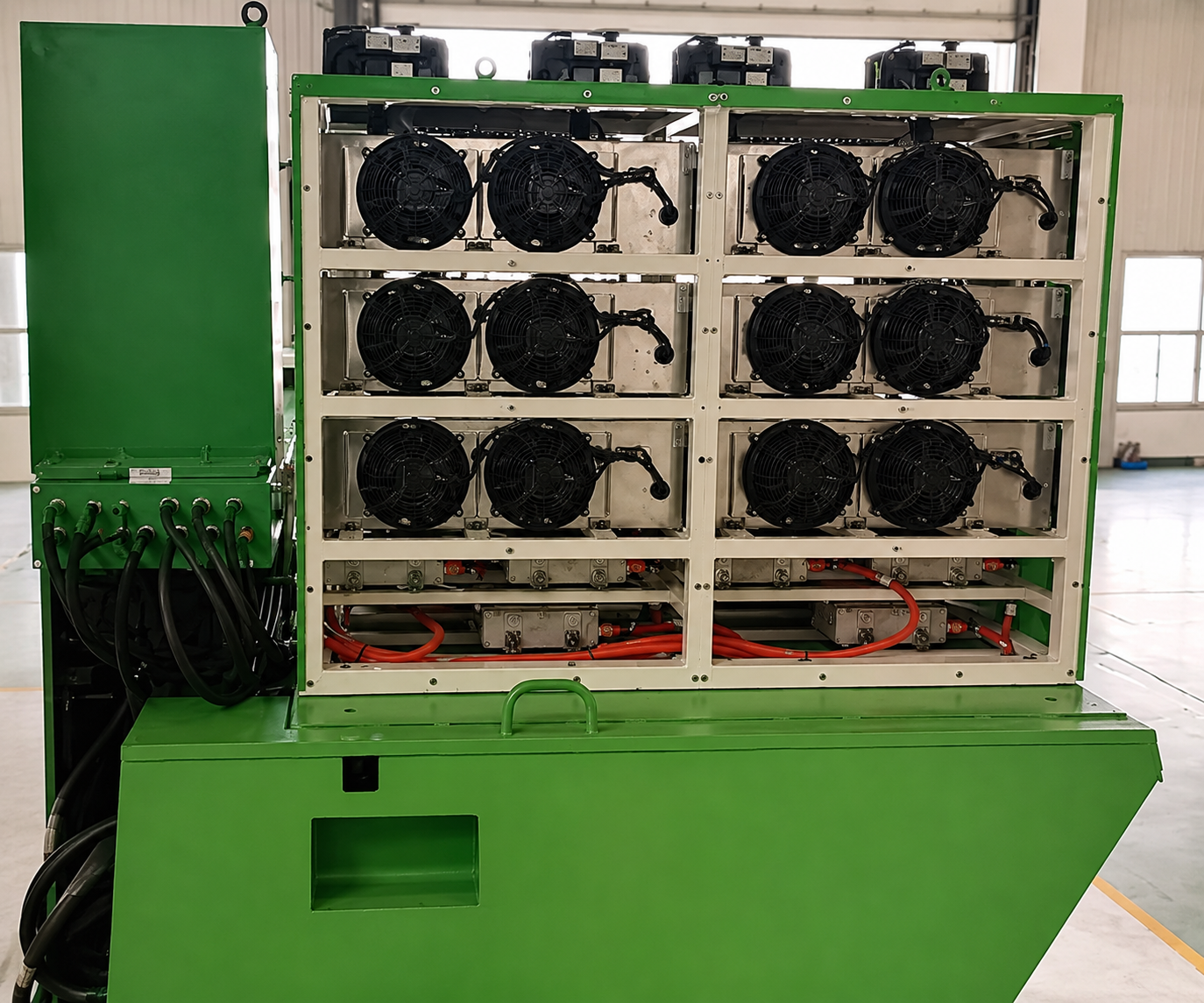
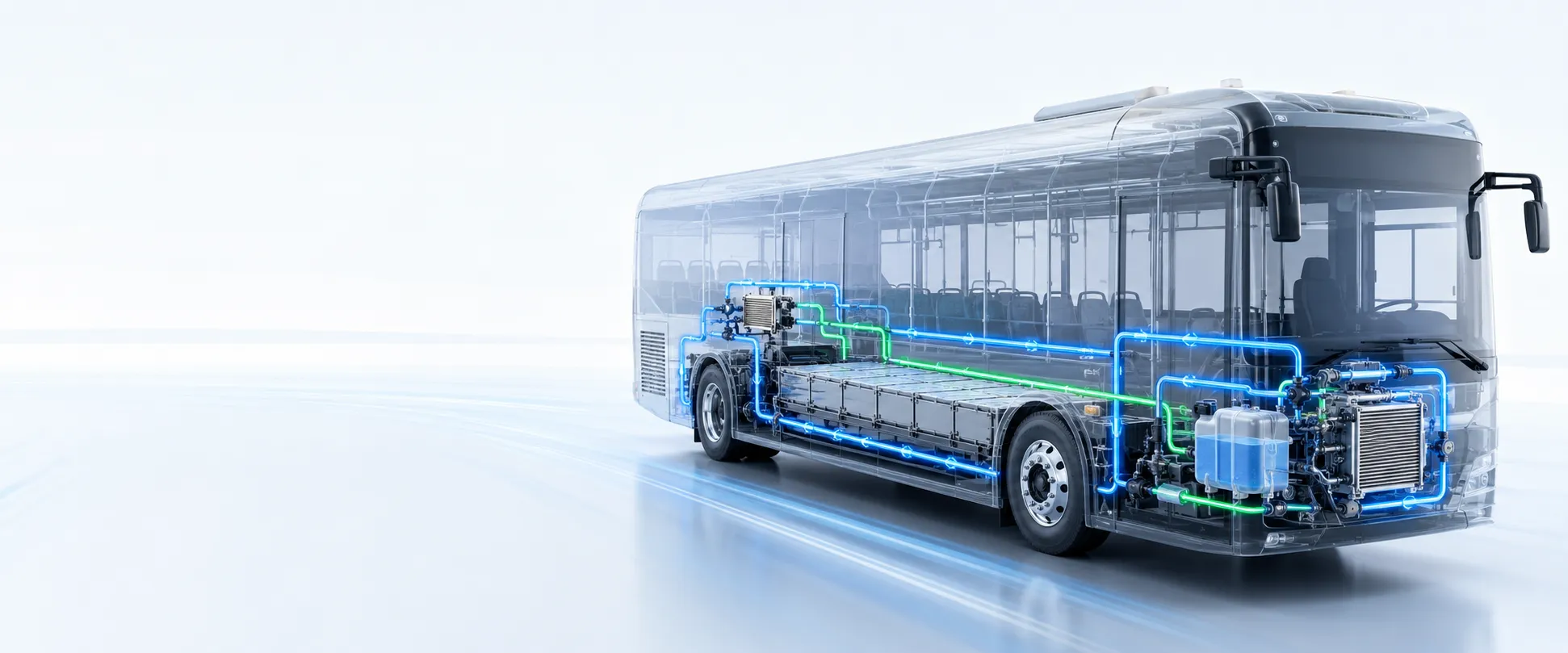
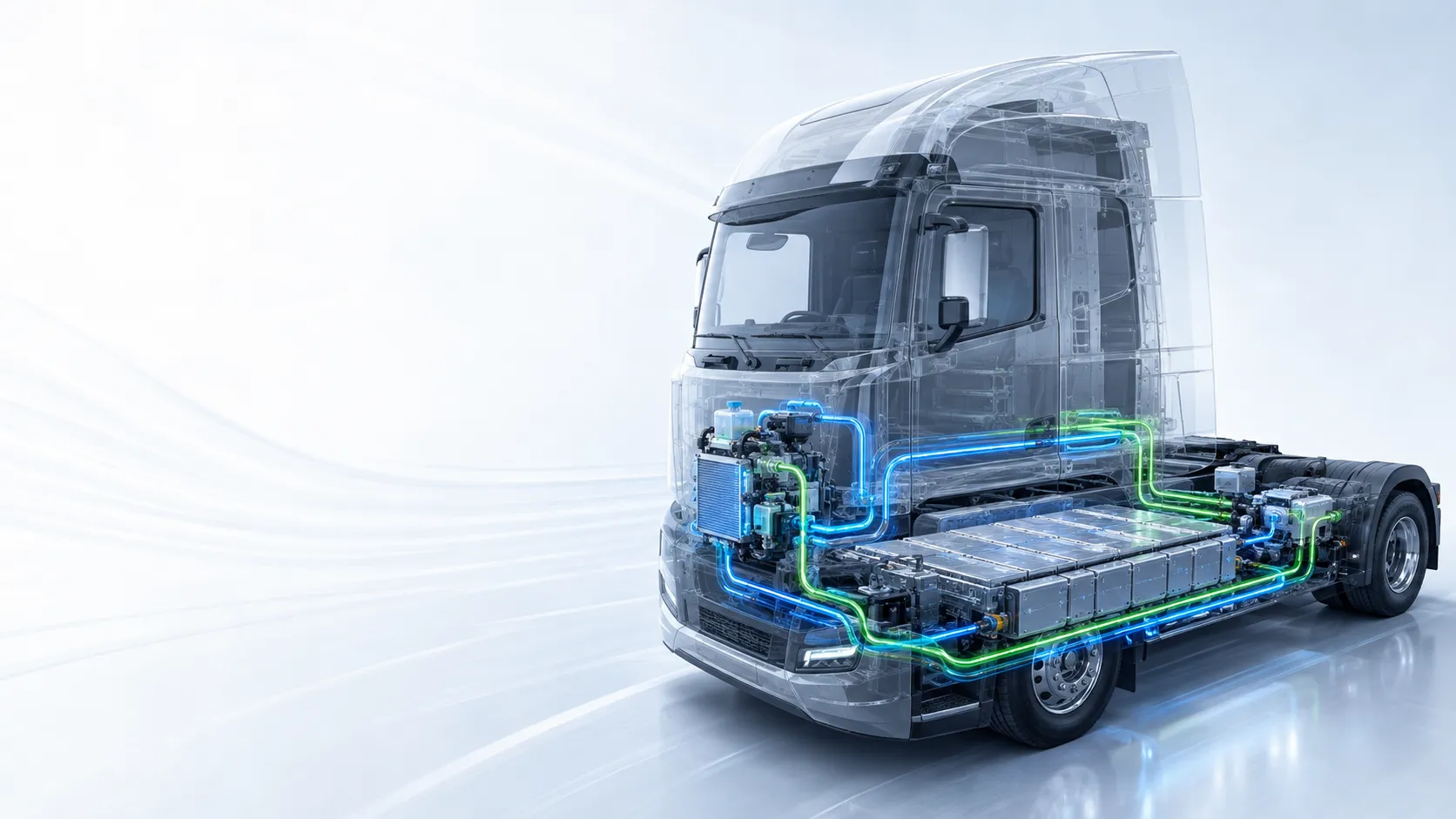
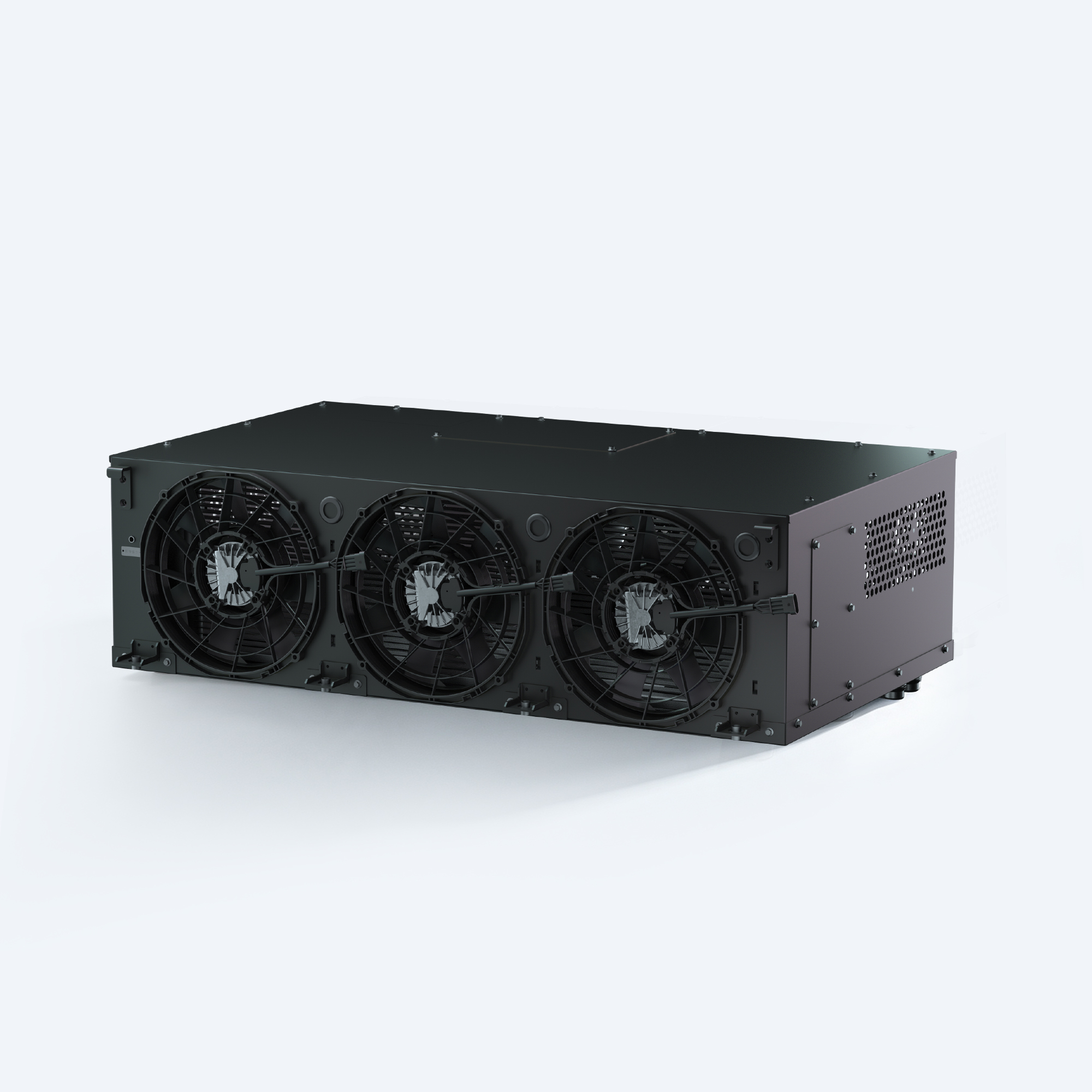
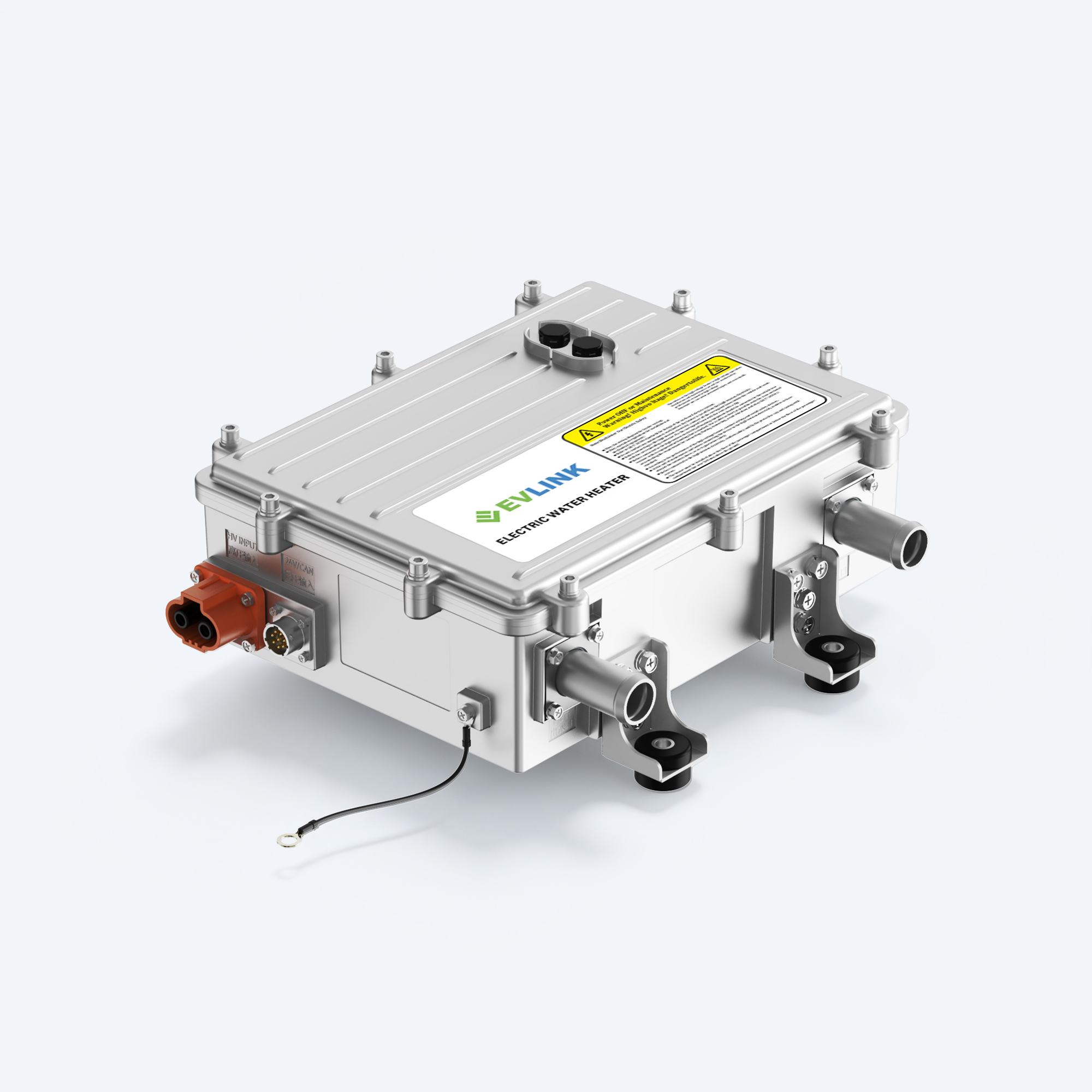
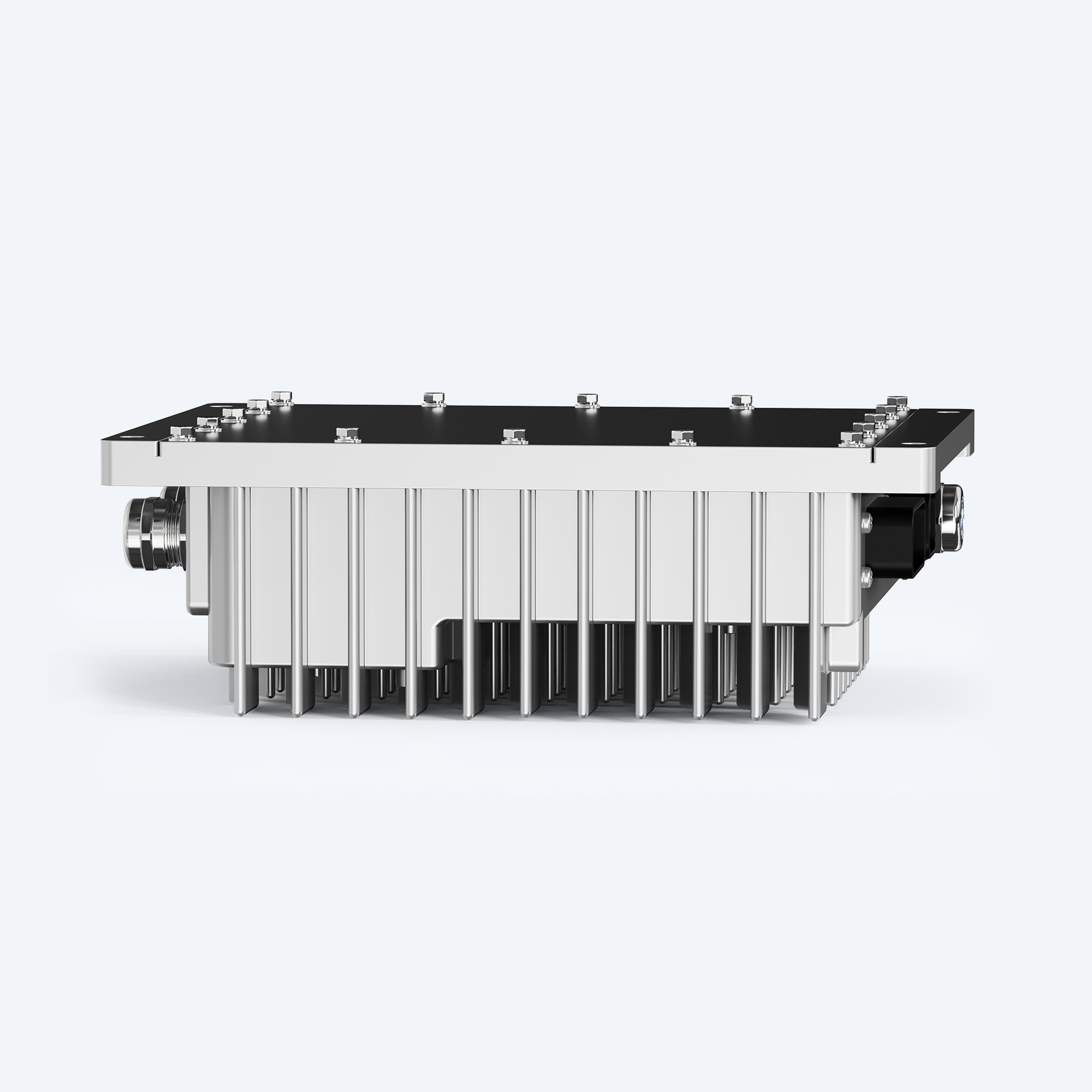
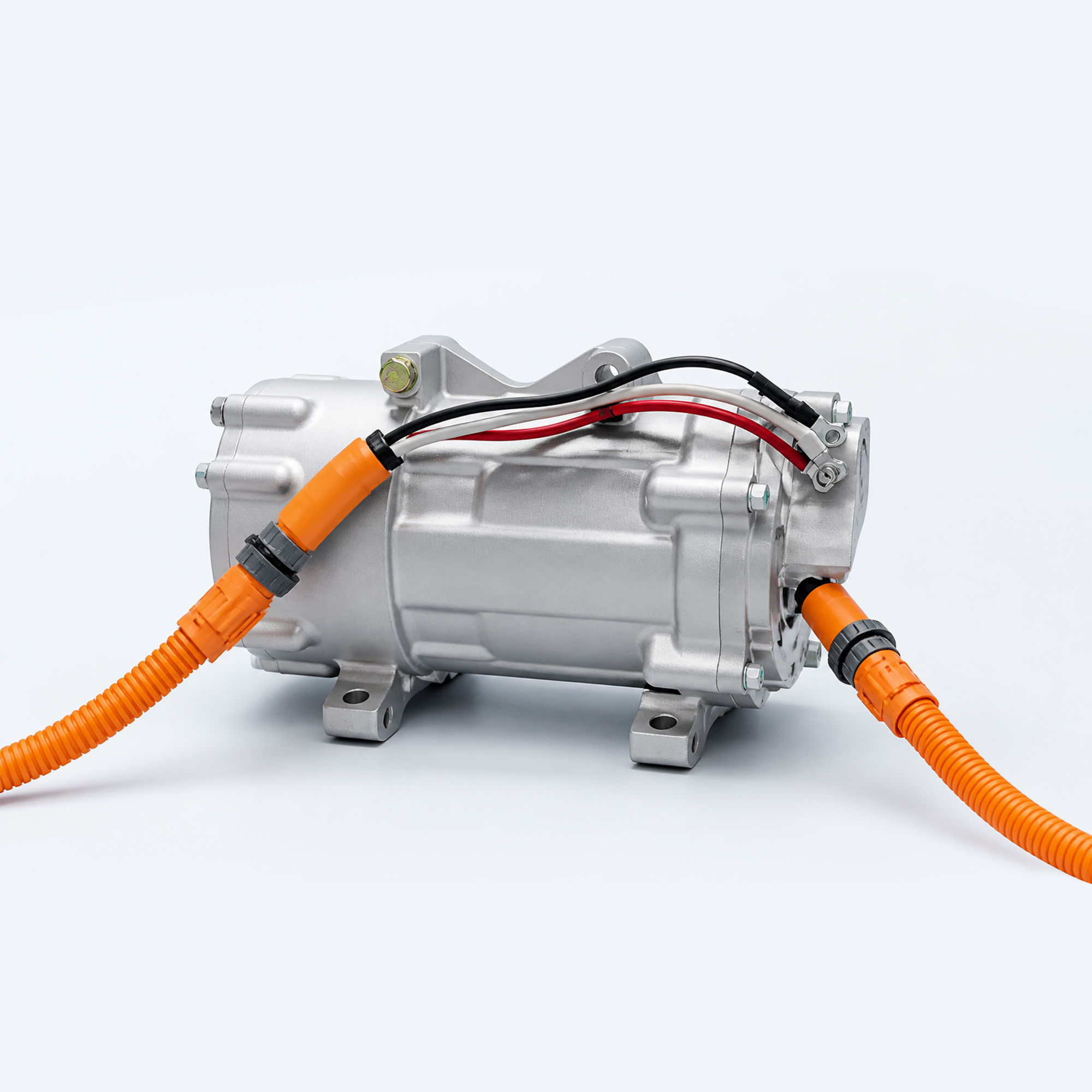
Cases may cover battery thermal management systems, high-voltage coolant heaters, three-in-one controllers and electric compressors when the applicable model and project evidence are confirmed.
Which applications can EVLINK case studies cover?
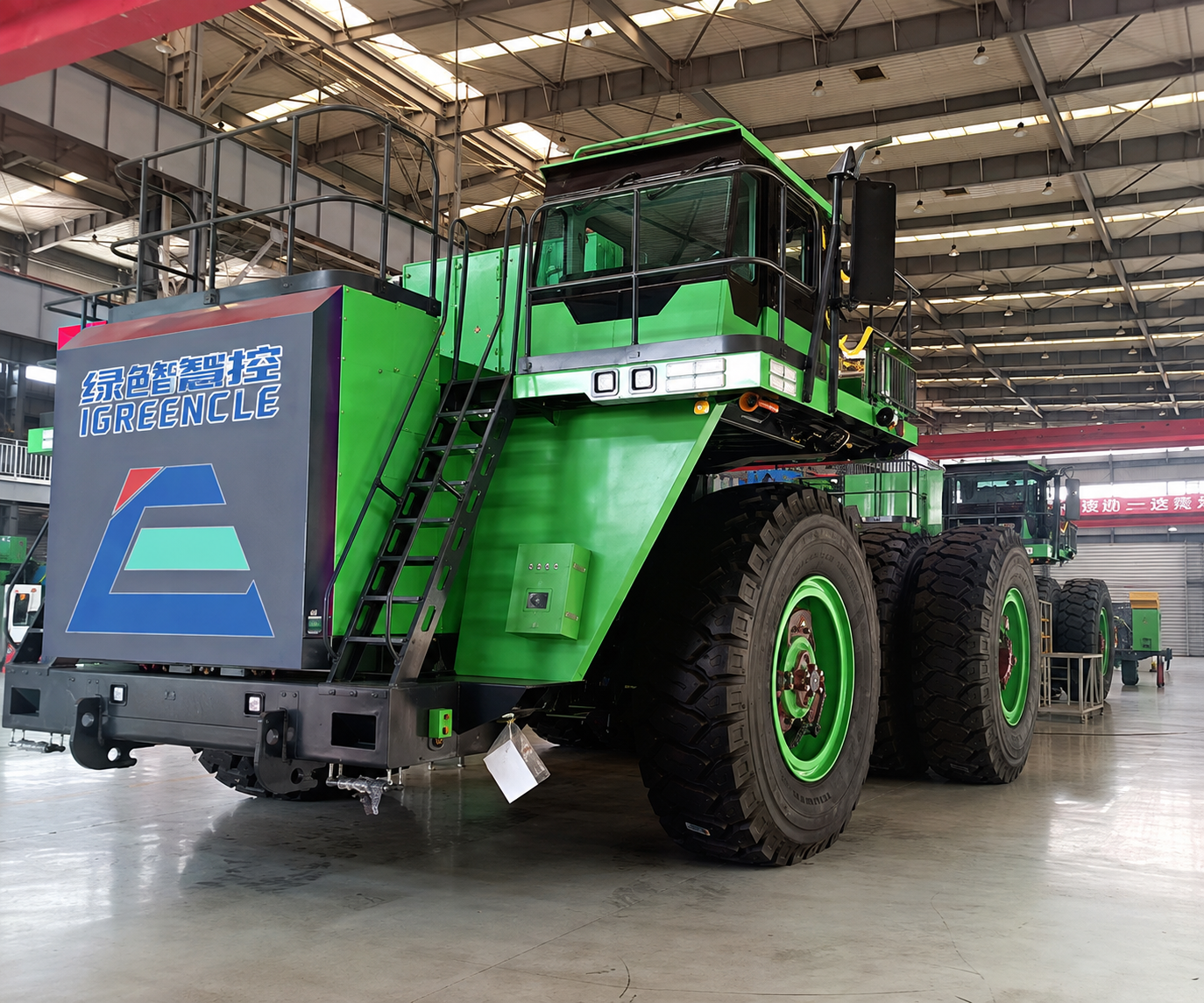
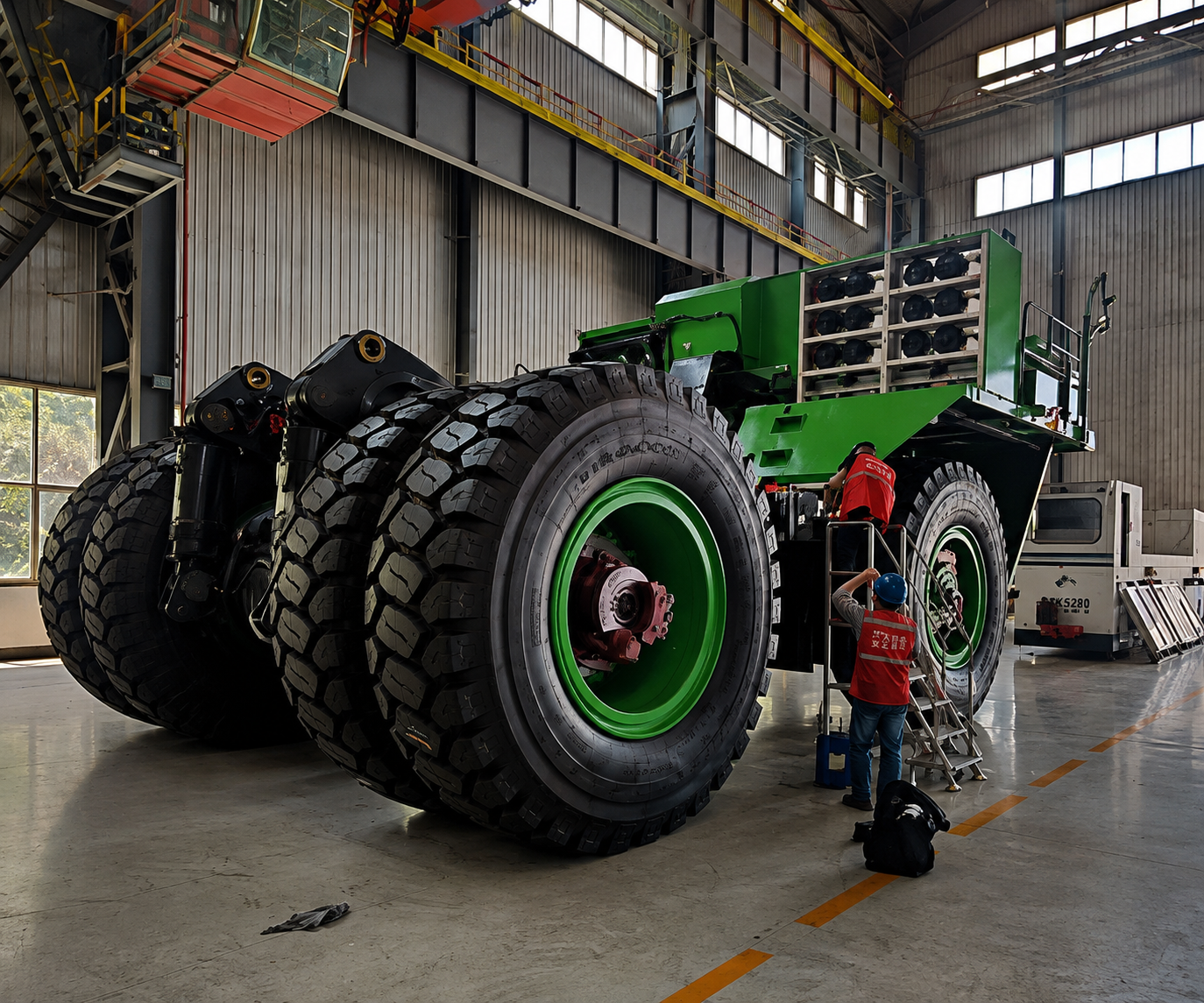
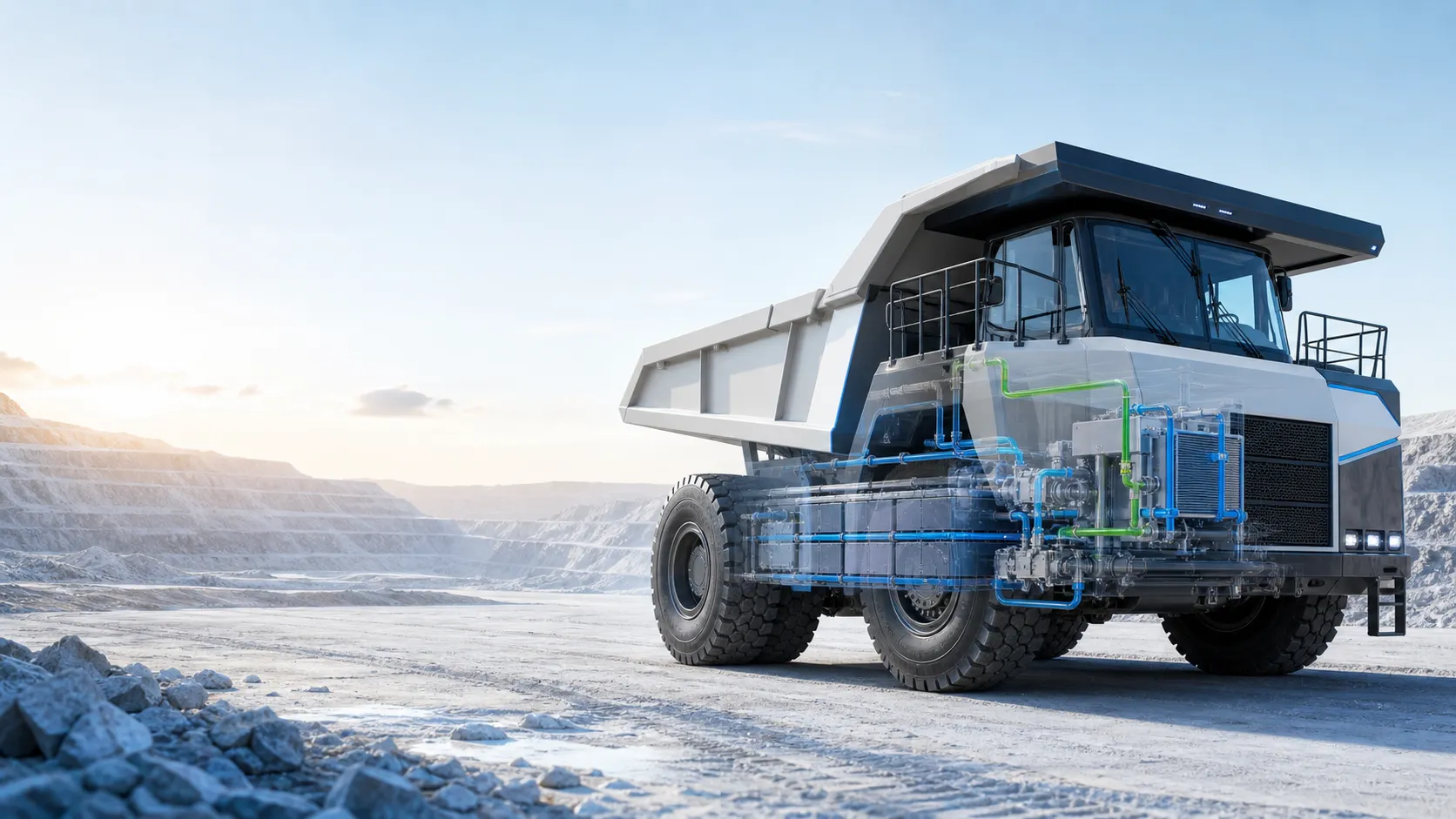
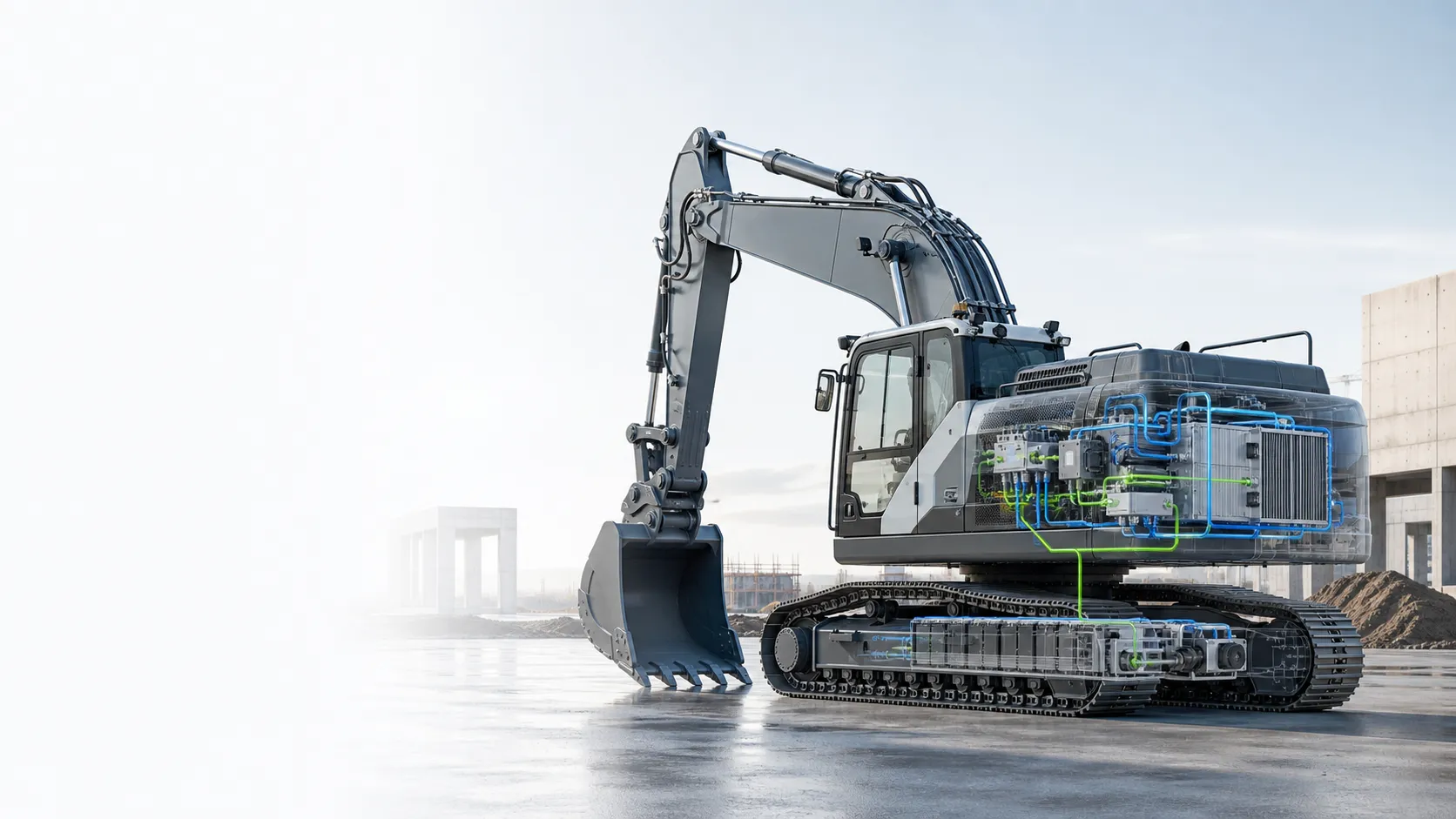
The planned structure covers electric buses, trucks, mining trucks, construction machinery, agricultural machinery and data center liquid cooling. Only applications supported by real evidence should be published as cases.
How should performance results be presented?
State the measurement, baseline, sample or product configuration, operating condition, test method, period and approval status. Avoid isolated percentages or guaranteed outcomes without evidence.
How can a buyer discuss a similar project with EVLINK?
Share the vehicle or equipment platform, duty cycle, voltage, thermal targets, installation space, coolant or refrigerant conditions, connectors, CAN requirements, validation stage and timing.