Book Appointment Now


APPLICATION | AGRICULTURAL MACHINERY
Electric Agricultural Machinery Thermal Management Solutions
Battery cooling, high-voltage coolant heating, electric compression and intelligent control solutions engineered for electric tractors, orchard and vineyard machines, autonomous field robots and other agricultural equipment.
Each agricultural machinery thermal management system is configured around seasonal duty, implement loads, low-speed airflow, charging windows, dust and crop debris, cold starts, compact packaging and field serviceability.
Season-Ready
Cold start to harvest
CAN / CAN FD
Machine integration
Custom
Compact architecture
AGRICULTURAL DUTY CHALLENGES
Why Agricultural Machinery Needs a Dedicated Thermal Strategy
The thermal architecture must follow real farm work, implement power demand and seasonal availability—not a generic passenger-vehicle drive cycle.
01 | Seasonal Peak Operation
Planting, spraying and harvest create intense operating windows where downtime is costly.
02 | Low-Speed, High-Load Work
PTO, hydraulic and implement loads can be high while vehicle speed and natural airflow remain low.
03 | Dust & Crop Debris
Chaff, pollen and field dust affect heat-exchanger airflow, sealing and maintenance access.
04 | Cold Starts & Storage
Long seasonal storage and winter use require controlled battery and coolant preconditioning.
05 | Charging Between Tasks
Charging schedules must match shift changes, feeding cycles, transport and field operations.
06 | Limited Packaging Space
The machine must preserve visibility, implement mounts, PTO, hydraulics and service access.
INTEGRATED ARCHITECTURE
One Coordinated Agricultural Thermal System
EVLINK can coordinate battery cooling, coolant preheating, electric compression and thermal control around the tractor or machine VCU, BMS, charging strategy and implement duty cycle.
1 | Battery Cooling Loop
Controls pack temperature during travel, PTO work, hydraulic operation and charging.
2 | Battery Heating Loop
Supports scheduled preconditioning, cold starts and low-temperature charging.
3 | Power & CAN Control
Coordinates heaters, compressors, pumps and machine operating modes.
Battery Pack
Traction and implement energy
BTMS
Battery cooling
Thermal Controller
Power, modes and CAN
HVCH
Cold-start heating
Coordinated Control Layer
Cooling demand • Heating demand • Operating mode • CAN status
PTO / Hydraulic Load
Travel / Charging
Cabin / Electronics
MACHINE PLATFORMS
Electric Agricultural Equipment We Can Evaluate
Final suitability and product selection depend on verified battery, duty-cycle, environment and installation data.
01 | Electric Tractor
Compact and utility tractors for mixed farms, livestock, municipal and general work.
02 | Orchard & Vineyard Machine
Narrow equipment requiring compact packaging, low noise and precise control.
03 | Autonomous Field Robot
Battery-powered robotic platforms with long low-speed duty and remote monitoring.
04 | Electric Implement & Harvester
Electrified implements and specialist machines with variable process loads.
PRODUCT PORTFOLIO
EVLINK Products for Agricultural Machinery Thermal Management
Use individual components or combine them in an engineering-defined machine architecture.
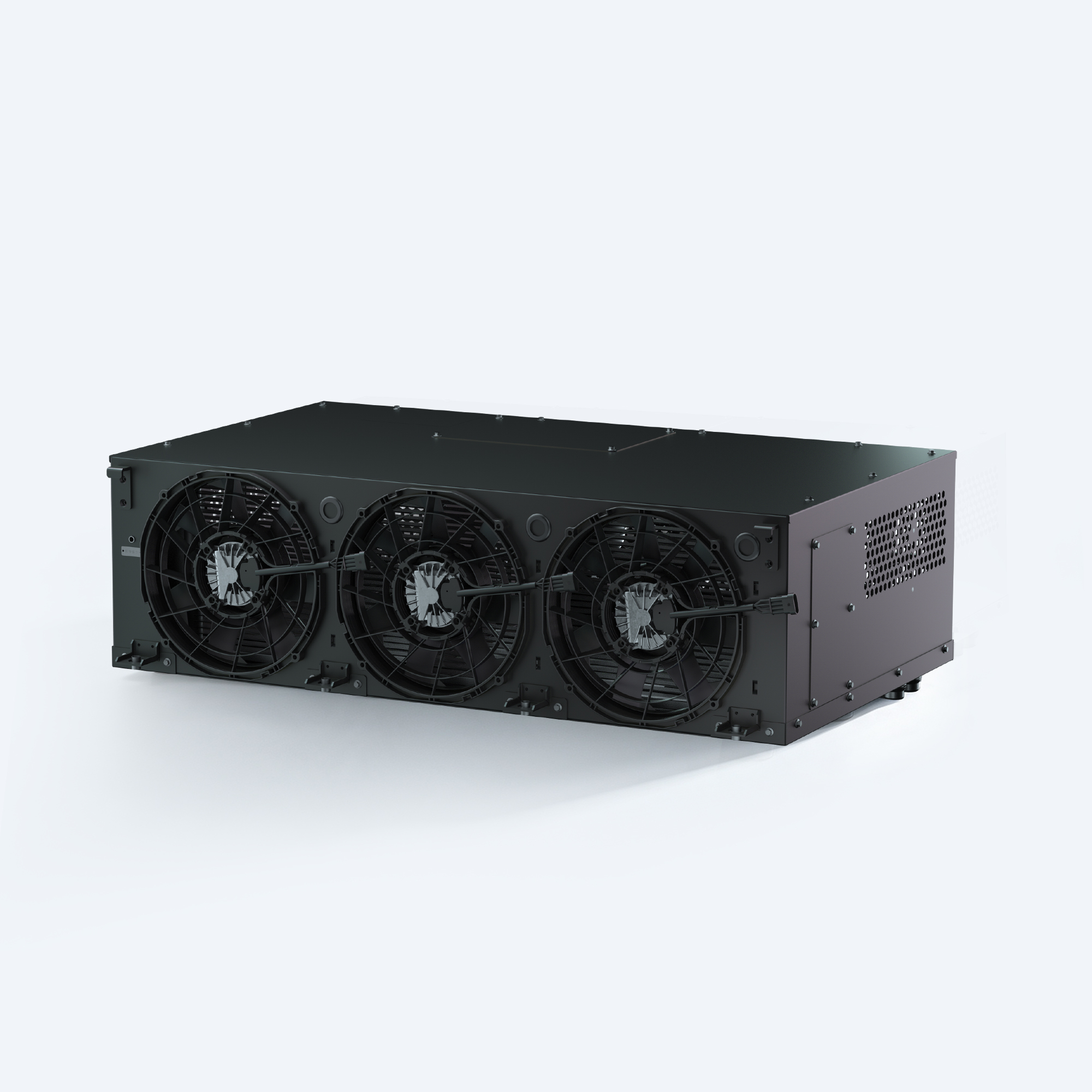
01 | Battery Thermal Management System
Liquid cooling and heating support for battery operation, charging and seasonal standby.
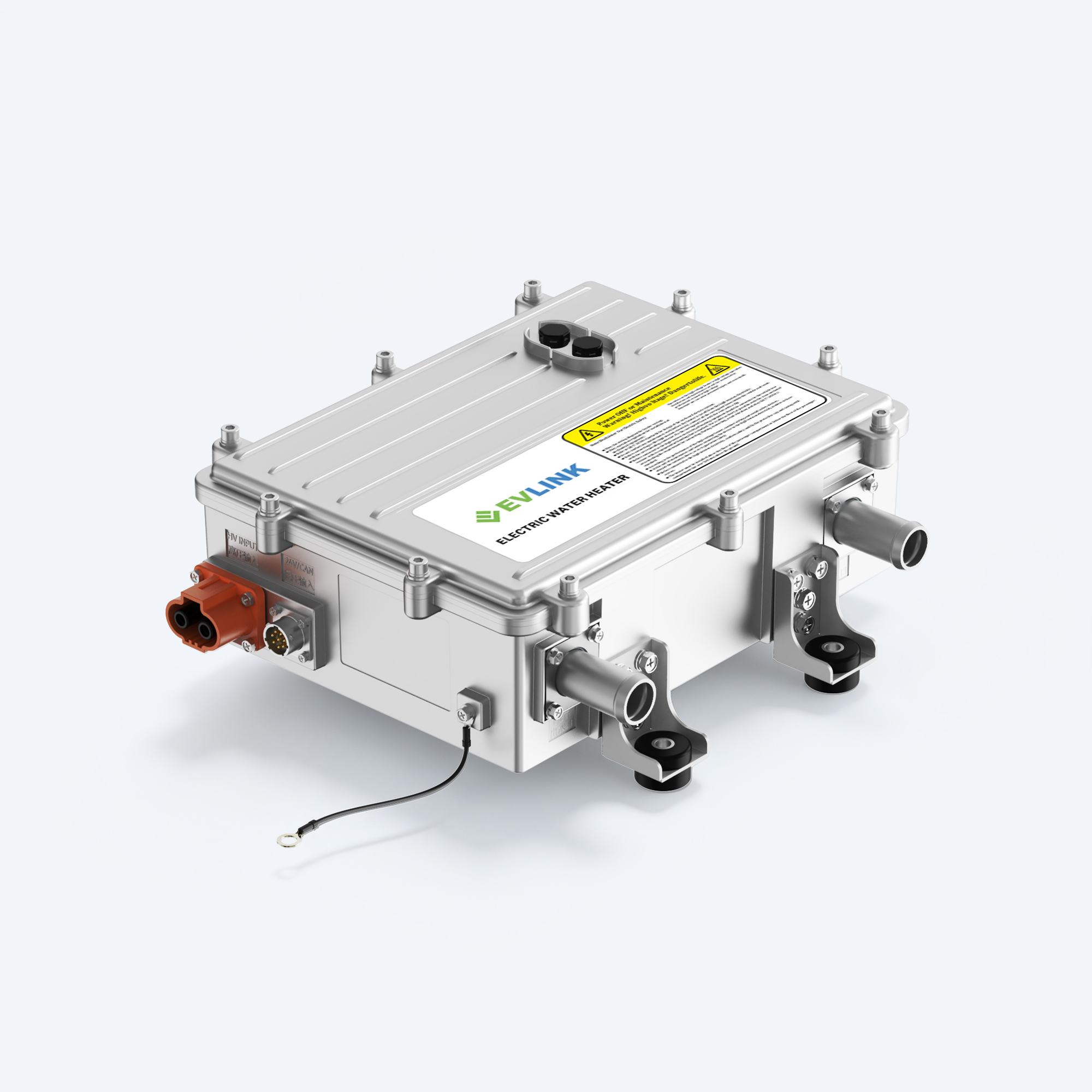
02 | High Voltage Coolant Heater
Controlled coolant heating for battery preconditioning and cold-weather operation.
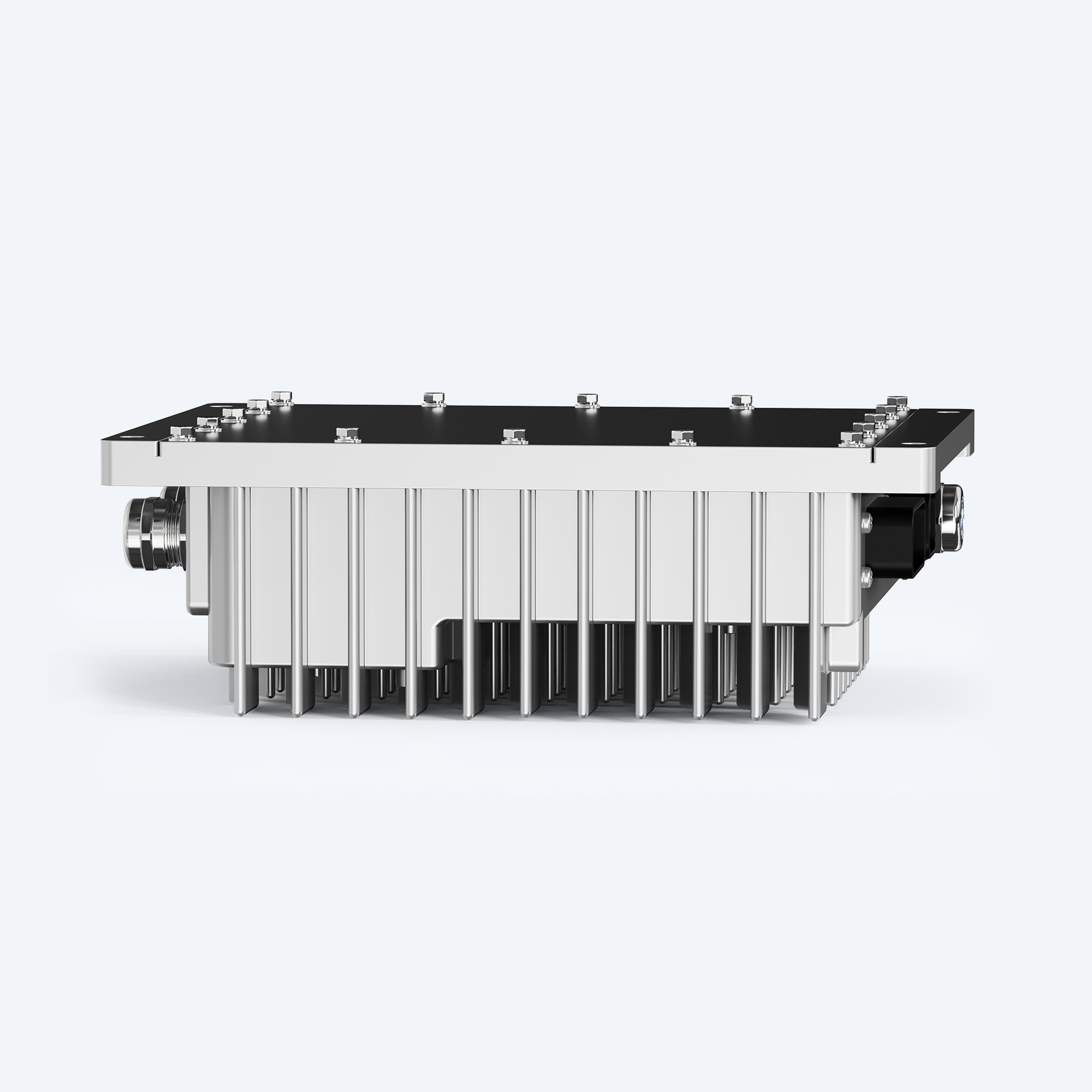
03 | Three-in-One Controller
Integrated thermal power control and CAN communication for compact architectures.
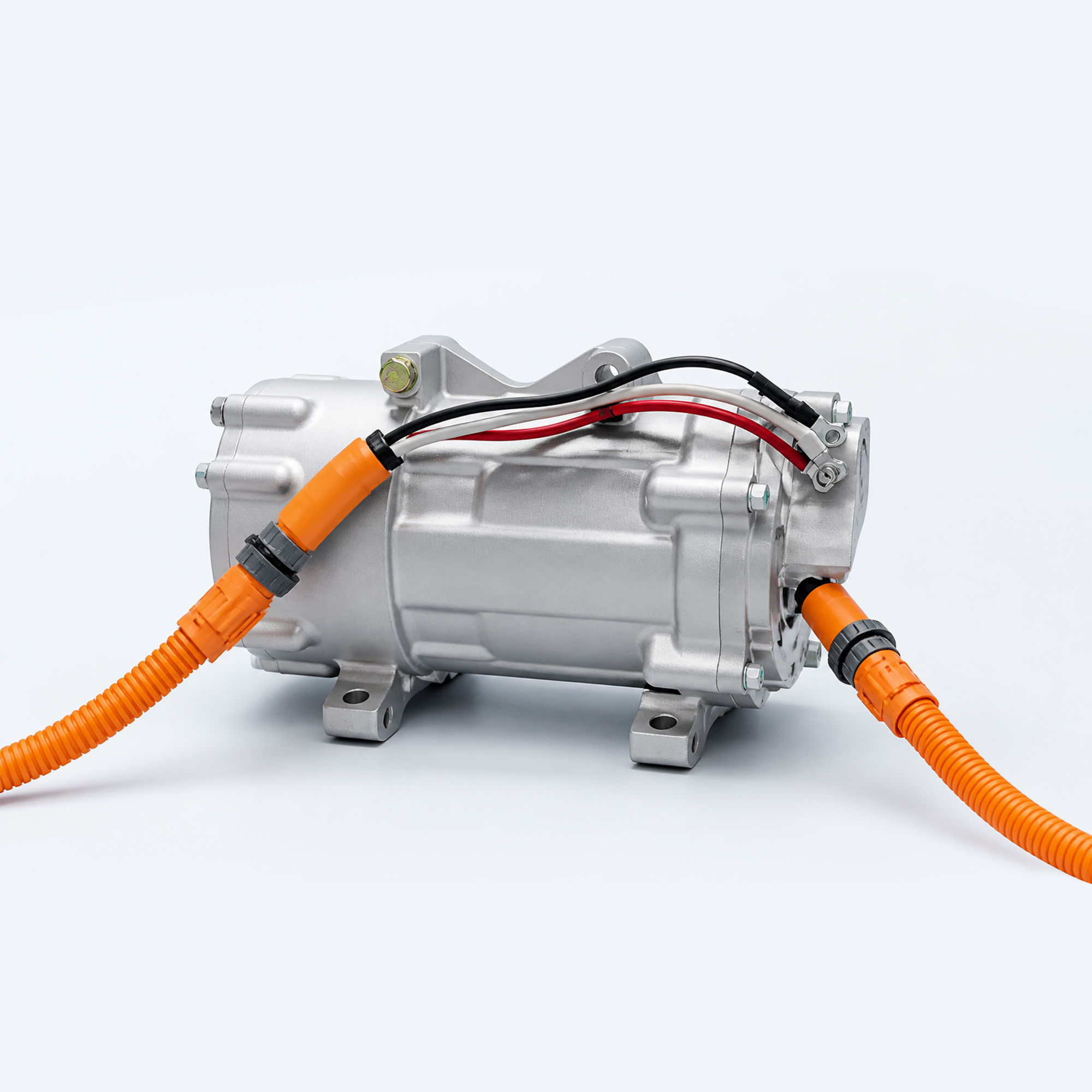
04 | Electric Compressor
Active refrigerant compression for battery and machine cooling circuits.
COMPLETE FARM WORK CYCLE
Thermal Management from Preconditioning to Seasonal Storage
01 | Scheduled Preconditioning
Bring the battery and coolant into the required range before the shift.
02 | Road & Yard Travel
Manage traction demand, cabin load and changing airflow.
03 | PTO & Implement Work
Respond to variable process, hydraulic and auxiliary power demand.
04 | Low-Speed Field Operation
Maintain temperature during seeding, spraying, mowing or cultivation.
05 | Charging Window
Coordinate cooling or heating with planned AC or DC charging periods.
06 | Seasonal Standby
Define storage, wake-up, maintenance and low-temperature restart strategy.
PROJECT INPUTS
Information Required for an Agricultural Machinery Project
Share the machine architecture, implement loads, seasonal work profile and environment. EVLINK engineers can then size components and define mechanical, coolant, electrical and control interfaces.
- Machine type, operating mass and target task
- Battery capacity, chemistry and pack layout
- High- and low-voltage platforms
- Traction, PTO, hydraulic and implement duty cycle
- Charging type, maximum power and available windows
- Minimum and maximum ambient temperature
- Dust, crop debris, pollen and washdown exposure
- Shock, vibration, slope and mounting requirements
- Cooling and heating load targets
- Available installation and service envelope
- Coolant type, flow and pressure requirements
- Cabin and power-electronics thermal scope
- VCU, BMS, telematics and CAN communication
- Seasonal storage and wake-up requirements
- Target market, standards and validation plan
- Prototype timing and forecast annual demand
ENGINEERING DELIVERABLES
From Farm Duty Requirements to Validated Integration
Clear technical outputs help OEM engineering and purchasing teams move from concept to machine validation.
01 | Thermal Load Calculation
Evaluate traction, PTO, hydraulic, implement, charging, cabin and ambient heat loads.
02 | Component Selection & Sizing
Select suitable BTMS, heater, controller and compressor configurations.
03 | Packaging & Service Review
Plan mounting, airflow, debris protection, coolant routing and field access.
04 | Electrical & CAN Integration
Define power, signals, operating modes, limits, faults and diagnostics.
05 | Prototype Support
Support sample installation, commissioning and machine issue review.
06 | Validation Documentation
Prepare agreed drawings, interface data, test plans and project records.
VALIDATION PLANNING
Validation for Real Agricultural Conditions
The final test matrix must be agreed for the selected product model, machine installation, farm environment, target market and customer standard. Do not publish specific compliance claims without verified records.
- Cooling and heating performance
- Cold-start and scheduled preconditioning
- PTO, hydraulic and implement duty-cycle testing
- Charging thermal performance
- Coolant flow, pressure and leak checks
- Electrical insulation and protection review
- CAN communication and fault strategy
- Dust, debris and airflow-blockage requirements
- Shock, vibration, slope and mounting review
- Seasonal storage and restart review
- Installation and field serviceability
- Prototype machine verification
FACTORY & QUALITY EVIDENCE
Show the Proof Behind the Agricultural Solution
Replace these editable placeholders with authentic EVLINK production, test and project evidence with factual captions.
01
Production & Assembly
Actual workstation and process record
02
Environmental Testing
Temperature, dust or vibration evidence
03
Functional Validation
Cooling, heating, leak and CAN checks
04
Traceability & Delivery
Serial records, packaging and shipment
PROJECT DOCUMENTATION
Engineering Outputs Your Team Can Review
- Technical solution proposal
- Thermal load and sizing results
- 2D / 3D product drawings
- Installation interface definition
- Coolant circuit information
- Electrical connection information
- CAN communication documentation
- Prototype samples
- Validation and test information
- Production and delivery documentation
WHY EVLINK
A Practical Thermal Engineering Partner for Agricultural Electrification
A | Off-Highway Product Focus
Thermal components and support centered on demanding electric machinery.
B | Duty-Cycle Engineering
Sizing decisions are based on farm work, implements, charging and environment.
C | Integrated Product Portfolio
BTMS, heaters, controllers and compressors coordinated through one team.
D | Development Support
Support from requirements and samples through validation and production preparation.
APPLICATION CONCEPT
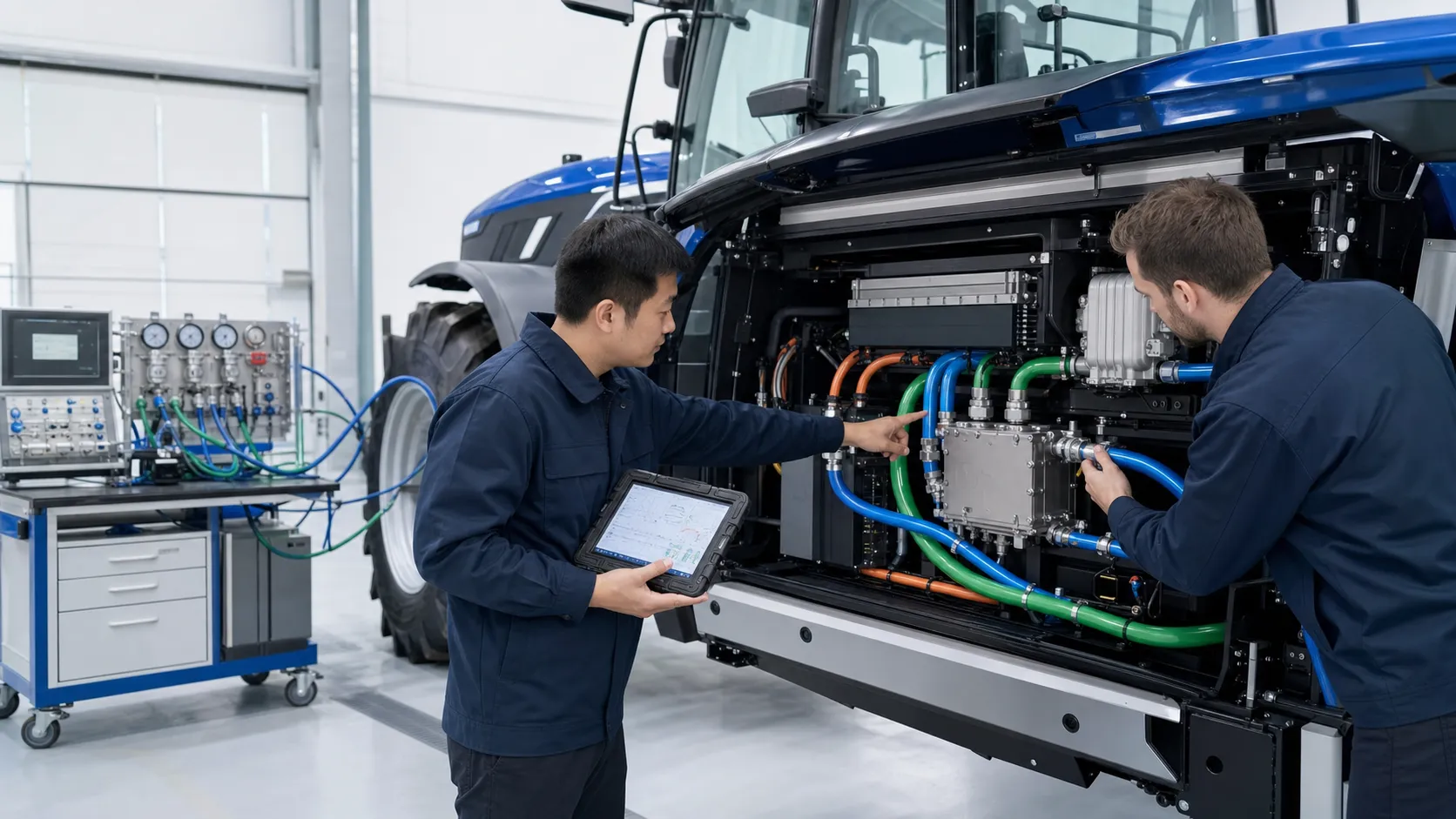
Electric Tractor Thermal Management Project
Use this module for a verified project: machine and implement, battery, seasonal duty, temperature range, customer challenge, EVLINK architecture, validation method and measurable result. Until authentic evidence is approved, label generated visuals as application concept renderings.
FREQUENTLY ASKED QUESTIONS
Agricultural Machinery Thermal Management FAQ
What is an agricultural machinery thermal management system?
It is the coordinated cooling, heating and control architecture used to keep the battery and related electrical components within their required operating ranges during travel, PTO work, hydraulic operation, charging and storage.
Why is electric tractor thermal management different from road vehicles?
Agricultural machines combine low vehicle speed, high PTO or hydraulic loads, crop debris, seasonal peaks, long storage periods, constrained packaging and remote field service. The system should be designed from the actual farm duty cycle.
How does implement load affect battery cooling?
PTO, hydraulic and electric implements can create rapidly changing power demand. The implement type, power profile and working duration should be included in thermal load calculations.
Can the battery be preconditioned before work or charging?
Preconditioning can be reviewed around ambient temperature, battery requirements, heater selection, charging schedule and machine control ownership.
Can EVLINK support tractors, orchard machines and field robots?
EVLINK can evaluate these platforms. Final component selection depends on verified battery data, duty cycle, environment, installation space and validation requirements.
Can the system communicate with the VCU and BMS?
CAN integration can be planned around the selected controller, communication protocol, operating states, diagnostics and control ownership.
What information is needed to start a project?
Provide machine and implement type, battery and voltage data, PTO and hydraulic duty, charging power, ambient range, debris exposure, available space, coolant requirements, CAN protocol and target validation plan.
START YOUR PROJECT
Need a Thermal Solution for Electric Agricultural Machinery?
Share the machine platform, battery, voltage, PTO and hydraulic duty, charging plan, temperature range, installation space, environment and CAN requirements. EVLINK engineers will help define the appropriate architecture.