Book Appointment Now

ENGINEERING | PROTOTYPE & VALIDATION
EV Thermal Management Prototype & Validation Support
Structured prototype builds and validation planning for battery thermal management systems, high-voltage coolant heaters, electric compressors and thermal controllers.
EVLINK helps project teams connect requirements to sample configuration, integration checks, test conditions, measurements, acceptance criteria, issue closure and production release decisions.
Traceable
Requirement to evidence
Measurable
Defined channels and limits
Release-Gated
Decision before production
WHY VALIDATION DISCIPLINE MATTERS
A Successful Test Must Support a Product Decision
Validation is not a collection of laboratory photos. It is a traceable link between requirements, conditions, evidence and release status.
01
A Sample Is Not a Released Product
Prototype configuration, software and manufacturing status must be identified before results are interpreted.
02
Testing Without Acceptance Criteria
Measurements cannot support a release decision when pass/fail limits were never agreed.
03
Conditions Do Not Match Duty
A convenient bench point may miss cold start, charging, high load, altitude or transient behavior.
04
Interfaces Change During Testing
Uncontrolled hose, connector, sensor or CAN changes make results difficult to compare.
05
Data Is Not Traceable
Missing calibration, setup, sample serial number or software version weakens test evidence.
06
Issues Are Closed Informally
A test failure needs root cause, action, changed configuration and retest evidence.
PROTOTYPE STRATEGY
Define the Purpose of Each Prototype Before It Is Built
One sample should not be expected to answer every technical and production question.
01
Engineering Sample
Early hardware used to check basic function, packaging and engineering assumptions.
- Configuration may still change
- Suitable for feasibility checks
- Not production-representative by default
02
Integration Prototype
Sample prepared for vehicle or system installation, communication and interface checks.
- Defined connectors and ports
- Commissioning support
- Interface issues recorded
03
Validation Prototype
Controlled sample configuration used against an approved validation plan.
- Serial and revision traceability
- Agreed test conditions
- Results linked to requirements
04
Production-Intent Sample
Sample representing the intended released design and relevant production process status.
- Approved change level
- Open issues visible
- Release evidence reviewed
VALIDATION SCOPE
Eight Areas to Consider in an EV Thermal Product Validation Plan
The actual test matrix must be selected for the product, change level, application, customer specification and target market.
01
Functional Performance
Heating, cooling, flow, temperature response and control at defined operating points.
02
Electrical Performance
HV/LV operating range, current, power, interlock and protection response.
03
CAN & Diagnostics
Commands, feedback, states, faults, timing and fallback behavior.
04
Thermal Cycling
Response to temperature changes and repeated operating conditions.
05
Mechanical & Vibration
Mounting, fasteners, connectors and structural response to agreed conditions.
06
Environmental Exposure
Application-relevant temperature, dust, moisture or ingress conditions where agreed.
07
System Integration
Interaction with battery, BMS, VCU, pumps, valves, coolant loop and vehicle controls.
08
Production Verification
Inspection, configuration and process-related checks for the intended release status.
REQUIREMENT TRACEABILITY
Connect Every Test to a Defined Requirement
A validation matrix should state what is being verified, which sample and revision are used, how the test is performed, which channels are recorded, what limit applies and how the result affects release status.
- Requirement or risk being verified
- Sample serial number and configuration
- Test method and operating conditions
- Instrumentation and data channels
- Acceptance criteria
- Result, issue and release decision
01
REQUIREMENT
Target, limit, condition
and acceptance rule
02
TEST METHOD
Setup, instrument, step
and data channel
03
TEST EVIDENCE
Conditions, raw data,
results and observations
04
DECISION
Pass, issue, change
or retest
VALIDATION MATRIX
Define Conditions, Measurements and Decisions Before Testing
This example is a planning structure, not a statement that every test is available or required.
Validation Area
Typical Inputs
Measurements / Evidence
Release Question
Thermal Performance
Inlet condition, ambient, flow, load, target and operating mode
Temperatures, flow, pressure, power, response time and stability
Does the configuration meet the agreed thermal target?
Electrical & Protection
HV/LV range, current limit, interlock, fault and restart conditions
Voltage, current, power, state transitions, fault code and recovery
Does the product respond safely inside and outside the operating window?
CAN Communication
DBC or signal definition, VCU/BMS states, timeout and diagnostic rules
Commands, feedback, timing, fault behavior and log files
Does communication support every required operating mode?
Mechanical /
Environmental
Environmental
Mounting, orientation, vibration, temperature, ingress and application duty
Inspection, leakage, functional checks and condition-specific data
Does the sample remain functional and intact after exposure?
System Integration
Vehicle loop, pumps, valves, sensors, BMS, VCU and control ownership
Mode transitions, interaction data, issue logs and system-level results
Does the complete system behave as intended in the real platform?
VALIDATION WORKFLOW
An Eight-Stage Prototype and Validation Process
The process keeps test evidence connected to the exact sample and release decision.
01
Confirm Requirements
Freeze the targets, conditions, limits, standards and responsibility boundary.
02
Define Sample Configuration
Identify hardware, software, connectors, calibration, serial number and change status.
03
Prepare the Test Plan
Map requirements to methods, channels, sequence, sample quantity and acceptance criteria.
04
Review Setup Readiness
Confirm fixtures, instrumentation, calibration, safety controls and data recording.
05
Execute & Record
Run the agreed steps and preserve conditions, raw data, observations and deviations.
06
Analyze Results
Compare results with criteria and examine transient, fault and repeatability behavior.
07
Close Issues
Assign root cause, corrective action, configuration change and retest requirements.
08
Release Decision
Approve, conditionally approve, revise or reject the tested configuration with evidence.
DATA & INSTRUMENTATION
Record Enough Context to Reproduce and Compare the Result
The exact channels depend on the product and test, but data without configuration and condition context is difficult to reuse.
01
Thermal Channels
Coolant inlet/outlet, component, battery simulation and ambient temperatures.
02
Fluid Channels
Flow, pressure, pressure drop, coolant condition and leakage observations.
03
Electrical Channels
HV/LV voltage, current, power, interlock and protection events.
04
Control Channels
Commands, feedback, states, mode transitions, timeouts, faults and diagnostics.
05
Configuration Record
Sample serial number, hardware revision, software version, connectors and calibration.
06
Test Context
Setup, instruments, calibration status, sequence, deviations and operator observations.
ISSUE CLOSURE
Turn Prototype Problems into Controlled Product Improvements
A failed test is useful when the issue is traceable, corrected and verified on the right configuration.
01
Identify
Record the failure, deviation or unexpected behavior against a requirement.
02
Contain
Protect samples and project timing while the technical risk is assessed.
03
Analyze
Use data, inspection and configuration history to determine the root cause.
04
Correct
Define the design, software, process or documentation change with ownership.
05
Retest
Repeat the affected conditions and regression checks on a controlled configuration.
06
Close
Approve evidence, update documents and carry the correct revision into release.
PROJECT INTAKE
Information Required to Plan Prototype & Validation Work
Providing the requirement, sample status and acceptance logic early prevents test scope from changing after samples and fixtures are prepared.
- Product family, target model and project phase
- Requirement specification and acceptance criteria
- Application, platform and operating duty cycle
- HV/LV, coolant, refrigerant and CAN interfaces
- Target standards and customer test specifications
- Sample quantity, hardware and software revision
- Test conditions, sequence and operating modes
- Required measurements and data format
- Fixture, vehicle or system responsibilities
- Known risks, previous issues and design changes
- Prototype, validation and release timing
- Approval authority and issue-closure process
VALIDATION DELIVERABLES
What Your Team Can Receive
The exact document set depends on the agreed scope, available facilities, customer requirements and project phase.
01
Prototype Configuration Record
Sample identity, hardware, software, interfaces and change status.
02
Validation Plan / Matrix
Requirements, methods, conditions, channels, criteria and responsibilities.
03
Setup & Instrument List
Fixture, sensors, calibration status, safety controls and data acquisition.
04
Commissioning Record
Installation, communication, operating-mode and initial functional checks.
05
Test Data Package
Conditions, raw data, processed results, observations and deviations.
06
Validation Report
Results compared with criteria and clear pass, issue or conditional status.
07
Issue & Action Log
Problem description, root cause, containment, corrective action and owner.
08
Retest Evidence
Verification of the changed configuration and relevant regression checks.
09
Release Recommendation
Approved status, residual risks, open items and production-release input.
PRODUCTS FOR VALIDATION
Validation Scope Follows the Selected Product and Change Level
Final tests and acceptance criteria must be confirmed for the exact model and project.
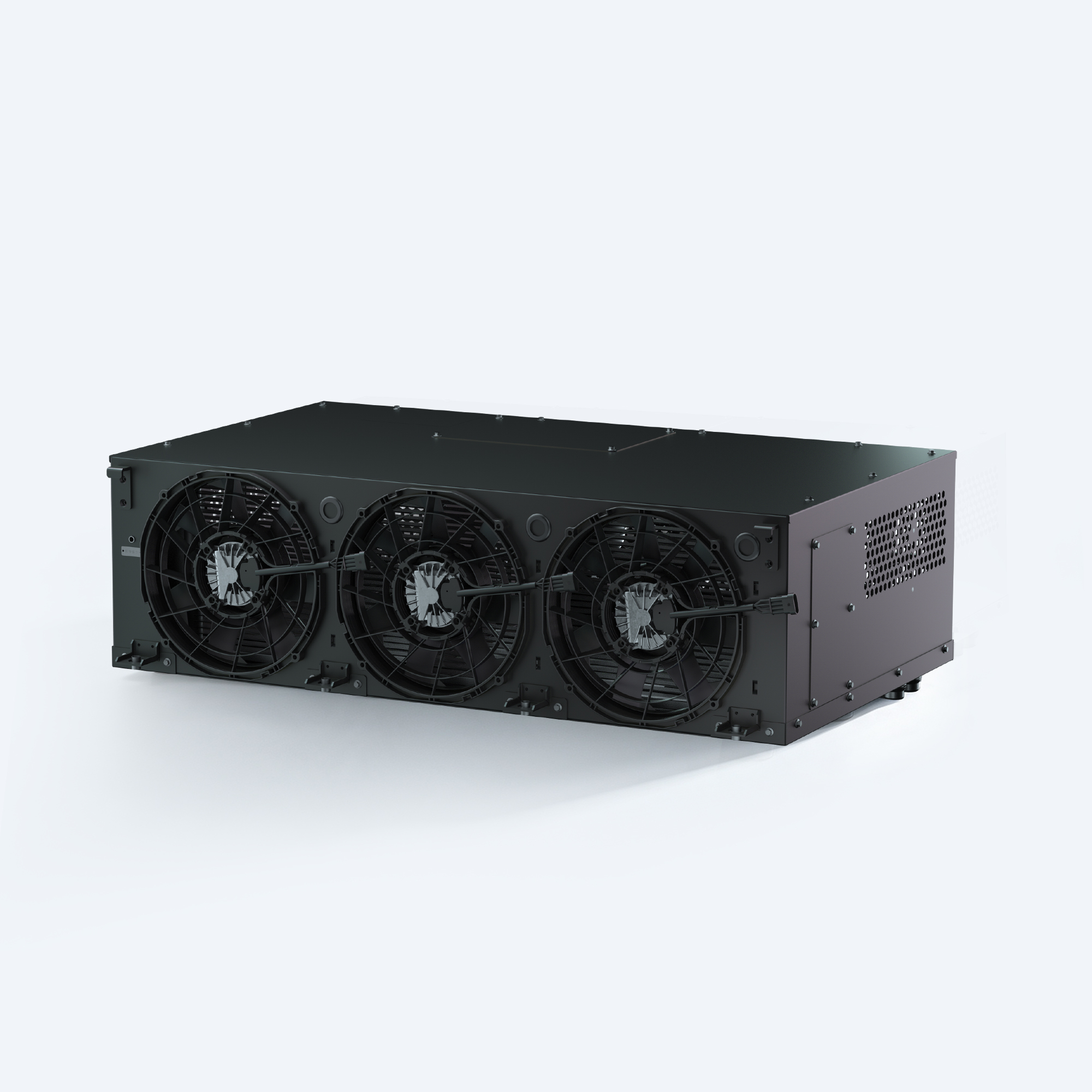
01 | Battery Thermal Management System
Cooling and heating performance, interfaces, controls and system integration.
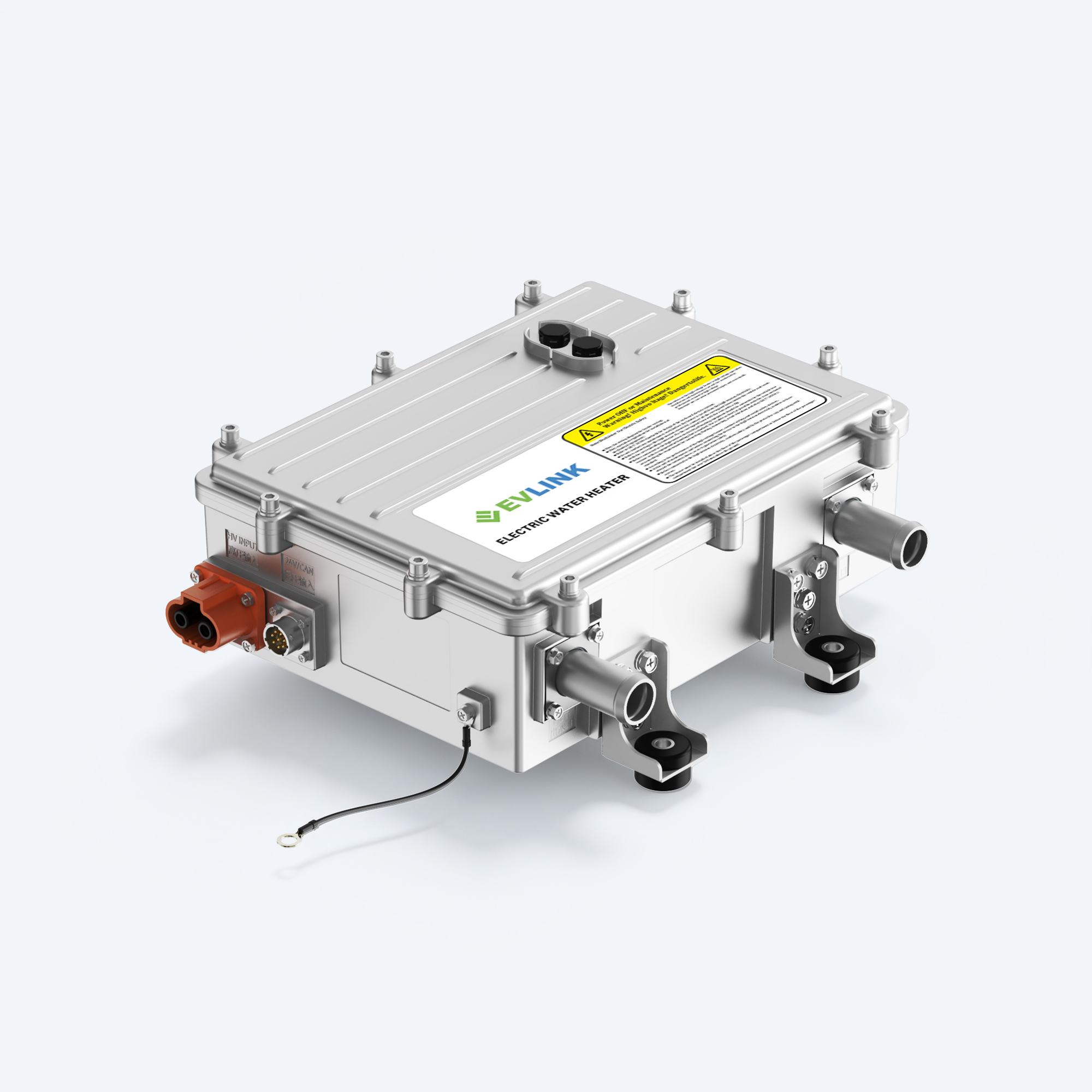
02 | High Voltage Coolant Heater
Heating response, electrical behavior, coolant performance and protection logic.
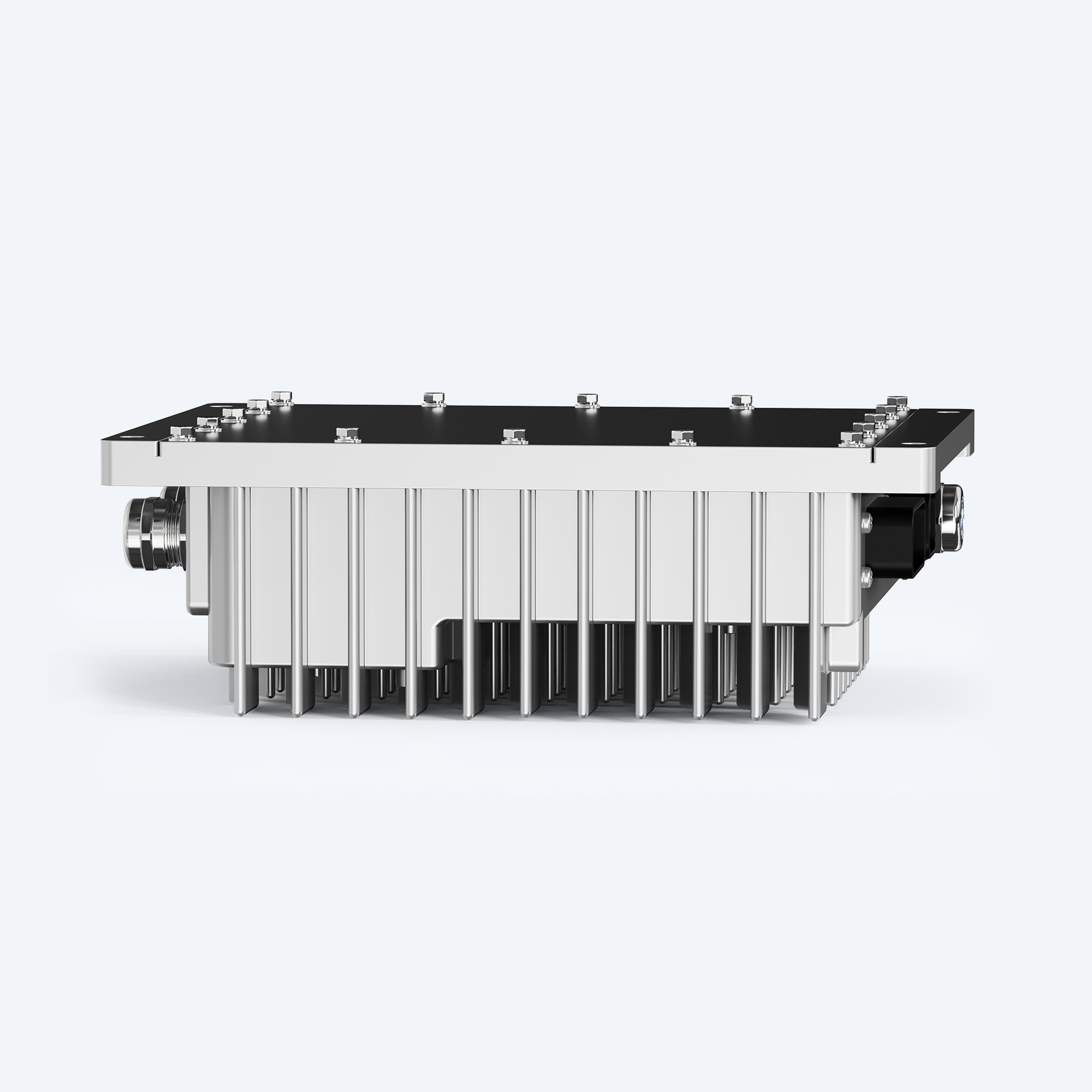
03 | Three-in-One Controller
Operating modes, commands, feedback, faults and integrated control behavior.
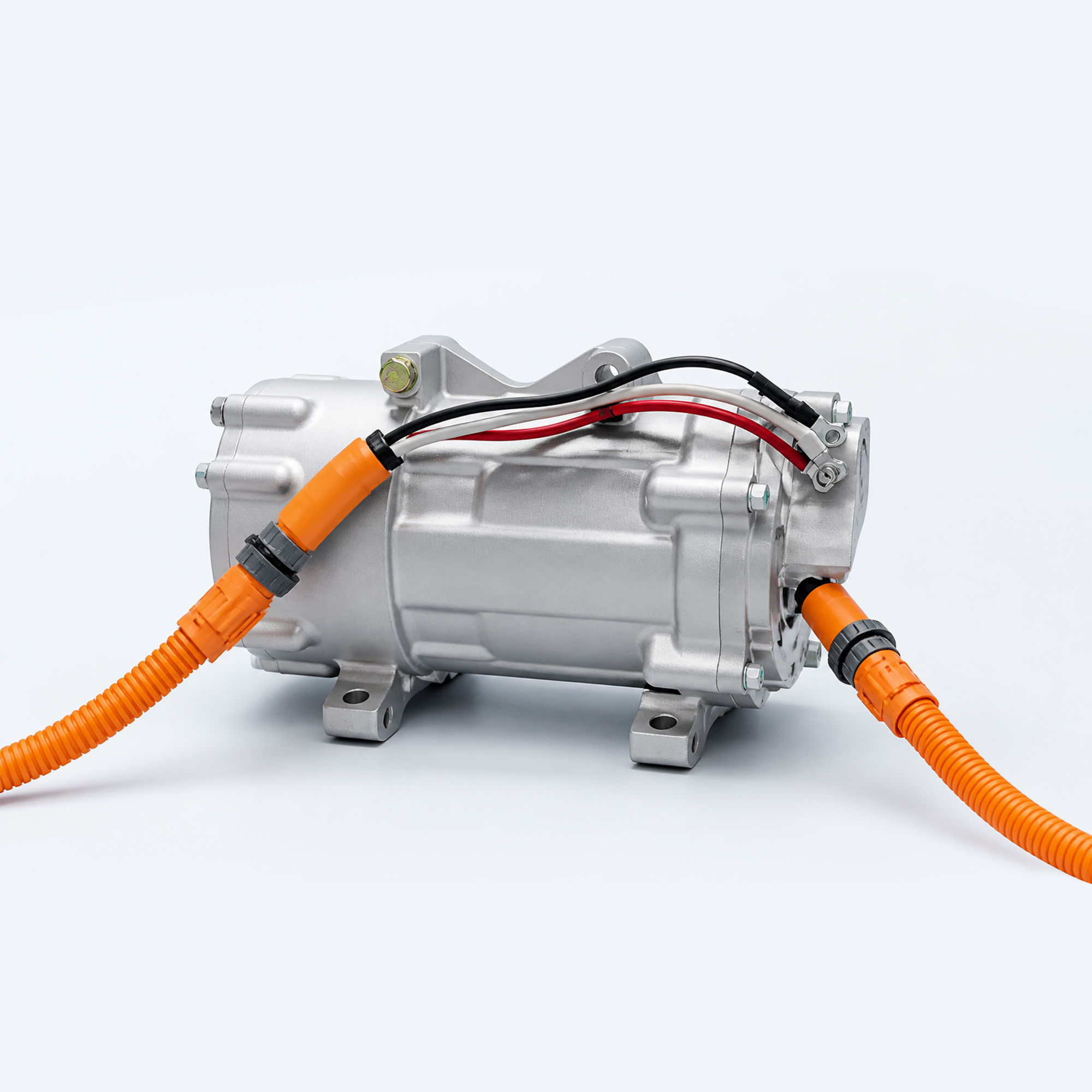
04 | Electric Compressor
Cooling-circuit operation, controls and application-specific integration checks.
VALIDATION PROOF
Replace General Claims with Product-Specific Evidence
The ZIP includes engineering, validation and quality images for placement reference. Replace placeholders with approved EVLINK material and accurate captions.
01
Functional Test Setup
Show the actual model, test condition, instrumentation and purpose in the caption.
02
CAN & Integration Evidence
Use a permission-cleared setup, log or commissioning image with factual context.
03
Environmental / Reliability Evidence
Publish only tests EVLINK can document for the exact product and condition.
FREQUENTLY ASKED QUESTIONS
EV Thermal Management Prototype & Validation FAQ
What is EV thermal management prototype validation?
It is a controlled process that uses identified samples, defined test conditions, measurements and acceptance criteria to verify product and system requirements before release.
What is the difference between an engineering sample and a validation prototype?
An engineering sample may be used to check feasibility and basic function while the design is changing. A validation prototype should have controlled hardware, software and interface status suitable for comparison with an approved test plan.
Which EV thermal products can be included?
Depending on scope, validation may involve battery thermal management systems, high-voltage coolant heaters, electric compressors, thermal controllers and their vehicle or system interfaces.
What information is required before testing?
Provide product configuration, requirements, operating conditions, interfaces, sample quantity, test methods, measurement channels, acceptance criteria, standards, responsibilities and timing.
Can CAN communication be checked during prototype integration?
Commands, feedback, states, timing, faults and diagnostics can be checked against the agreed interface and control scope for the selected product.
How should a failed validation test be handled?
The deviation should be recorded against a requirement, contained, analyzed for root cause, corrected through controlled change and retested on an identified configuration.
Does EVLINK perform every automotive validation test in-house?
The required test scope and responsible facility must be confirmed project by project. Do not assume that every customer, regulatory or accredited test is available in-house.
What evidence is needed before production release?
Typical inputs include the approved configuration, traceable test results, issue closure, retest evidence, document updates, remaining-risk review and authorized release decision.
PLAN VALIDATION BEFORE BUILDING SAMPLES
Need a Traceable Prototype and Validation Plan?
Share the product, application, configuration, operating conditions, interfaces, required tests, acceptance criteria, sample timing and release target. EVLINK will help define the appropriate starting scope.